

1. When a vehicle runs on an expressway at the speed of 100 kilometers per hour, its safe distance from the vehicle in front is not less than 100 meters.
A. Right
B. Wrong
Answer: A
2. When finding a vehicle in the opposite direction having difficulty to go forward and needing to borrow road while crossing each other, the driver should ________.
A. Not occupy the road of the other side and should go forward normally
B. Indicate the other side to stop and yield
C. Speed up and go forward by the right side
D. Yield to the other side as much as possible
Answer: D
3. When driving at night, the driver should try as much as possible to avoid overtaking. When he really needs to overtake, he may switch the high and low beam lights to alert the vehicle in front.
A. Right
B. Wrong
Answer: A
4. The oil pressure of engine may be too high if it lights.

A. Right
B. Wrong
Answer: B
5. It flashes when turning on the hazard lights.

A. Right
B. Wrong
Answer: A
6. When discovering a road congestion ahead, the correct way to deal with this situation is to _______.
A. Continue to weave through
B. Find space and overtake one vehicle after another
C. Honk to indicate the vehicle in front to speed up
D. Stop and wait in line
Answer: D
7. When a motorized vehicle driving license is lost or destroyed to be unrecognizable, the driver should apply to the issuing vehicle management station for a reissue.
A. Right
B. Wrong
Answer: A
8. What kind of device the safety bags are?
A. ABS system
B. electronic brake force distribution system
C. assisted occupants protection system
D. drivers head and neck protection system
Answer: C
9. When a vehicle passes a sharp curve, it may overtake if traffic is light.
A. Right
B. Wrong
Answer: B
10. Stopping the vehicle temporarily in the crosswalk is the act of violation of the law.
A. Right
B. Wrong
Answer: A
11. Use the high and low beam lights alternately when passing the crosswalk at night.
A. Right
B. Wrong
Answer: A
12. It displays that oil in tank has less than the warning line

A. Right
B. Wrong
Answer: A
13. Whats the meaning of this sign?
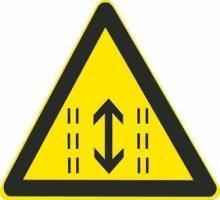
A. watch for two-way road
B. driving by either side of the road
C. watch for variable lane
D. variable lane
Answer: C
14. If a motorized vehicle driver has caused a major traffic accident in violation of the traffic regulations which has caused human death due to his escaping, the driver is subject to a prison term of _________.
A. less than 2 years
B. less than 3 years
C. less than 7 years
D. more than 7 years
Answer: D
15. After entering the acceleration lane of an expressway, the driver should increase the speed to more than _________ per hour.
A. 50
B. 60
C. 30
D. 40
Answer: B
16. It lights when ABS is open.

A. Right
B. Wrong
Answer: B
17. Whats the meaning of this mark on the road?
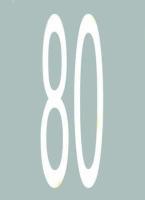
A. minimum speed limit is 80km/hr
B. average speed is 80km/hr
C. maximum speed limit is 80km/hr
D. 80km/hr speed limit ban is lifted
Answer: A
18. The main impact of rainy weather on safe driving is _______.
A. The road is wet and slippery and the visibility is poor
B. The engine is prone to stop
C. The resistance to the vehicle increases
D. The electric equipment is prone to getting wet and causing short circuit
Answer: A
19. What is this instrument?
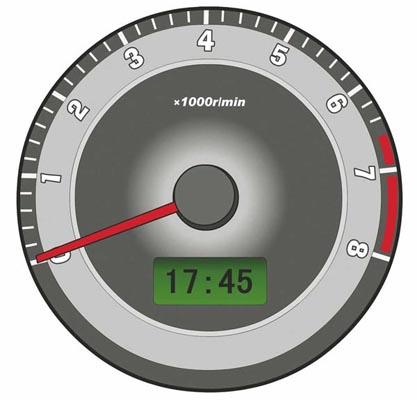
A. engine tachometer
B. driving speed meter
C. interval mileage meter
D. fuel consumption / 100 km
Answer: A
20. When passing through an inundated road, the driver should ________.
A. Reduce speed and go slowly
B. Maintain the normal speed and pass
C. slide over in the neutral gear
D. Speed up and pass
Answer: A