

1. When a motor vehicle deviates from the normal direction due to steering failure, what should the driver do?
A. Immediately steer and adjust
B. Reduce speed and stop the vehicle as early as possible
C. Steer to the side where there is no obstacle to evade
D. Steer to the side where there is an obstacle to evade
Answer: B
2. In such circumstances, which one of the following statements is the safest measure for a motor vehicle driver to take?
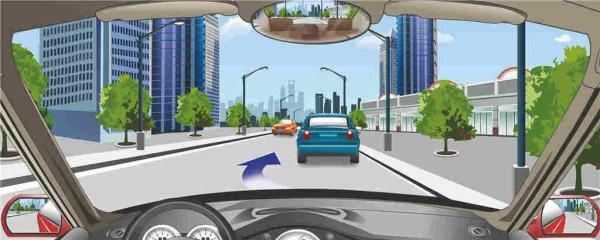
A. Accelerate to overtake the vehicle in front as soon as possible
B. Voluntarily reduce speed and refrain from overtaking
C. Sound the horn to warn the vehicle in front to yield
D. Turn on the headlamp to warn the oncoming vehicle to yield
Answer: B
3. When encountering such pedestrians, what should motor vehicle drivers do?
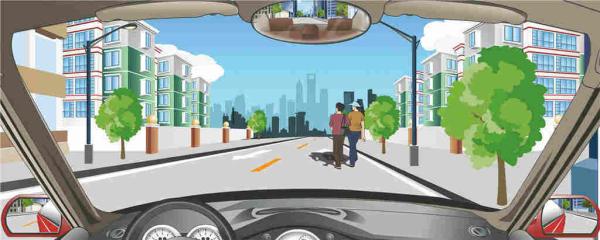
A. Go ahead along the middle line of the road
B. Continuously sound the horn
C. Speed up and overtake
D. Pay attention to the actions of such pedestrians
Answer: D
4. A driver should speed up when passing through road sections with this traffic marking.

A. Right
B. Wrong
Answer: B
5. The sign on the right side warns of an emergency lane 500 meters ahead.
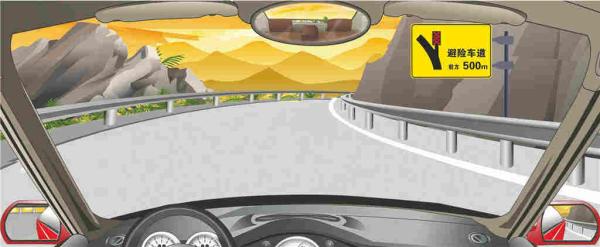
A. Right
B. Wrong
Answer: A
6. This sign indicates that vehicles can either drive straight or turn right at the fly-over junction ahead.

A. Right
B. Wrong
Answer: B
7. Drivers may turn left when seeing these hand signals.
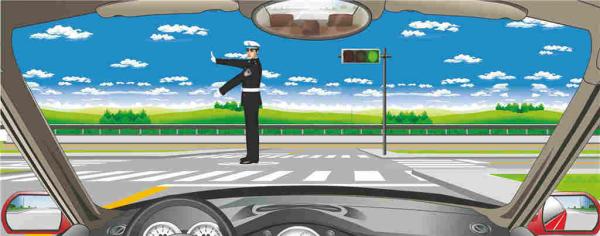
A. Right
B. Wrong
Answer: A
8. Motor vehicle drivers should use the windscreen wiper when setting off on a rainy day
A. Right
B. Wrong
Answer: A
9. Drivers may go straight and pass through when trafficpolice give these hand signals
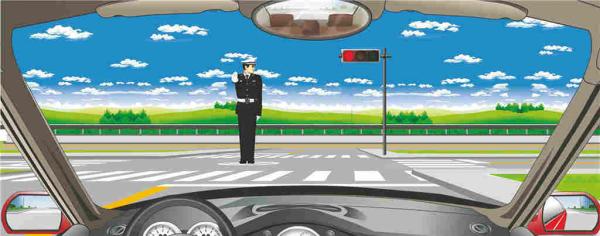
A. Right
B. Wrong
Answer: B
10. The sign on the right indicates to stop and yield at the intersection ahead.
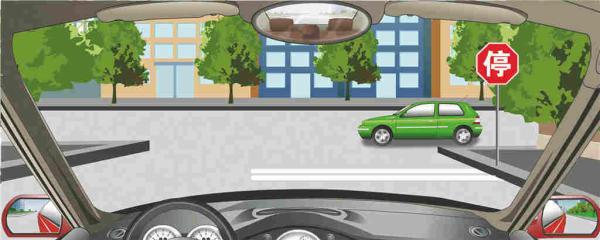
A. Right
B. Wrong
Answer: A
11. When encountering an obstacle on one side of the road, what should vehicles do as they approach each other?
A. The vehicle not encountering an obstacle should Yield to the other vehicle
B. The slower vehicle should yield to the faster
C. The vehicle encountering an obstacle should yield to the other vehicle
D. The faster vehicle should yield to the slower
Answer: C
12. When driving on a road covered with ice and snow, drivers tend to encounter glare caused by reflection of light rays from the road surface.
A. Right
B. Wrong
Answer: A
13. Motor vehicle drivers may reverse at an intersection.
A. Right
B. Wrong
Answer: B
14. What should the driver do if he encounters pedestrians in this situation at an intersection?
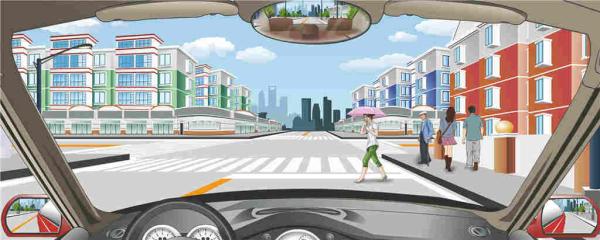
A. Slow down promptly and stop to yield
B. Sound the horn to warn the pedestrians to yield
C. Speed up and pass in front of the pedestrians
D. Turn on the headlamps to warn the pedestrians to yield
Answer: A
15. The marking on the road surface indicates that the speed limit of this road section is 80 km/hour.
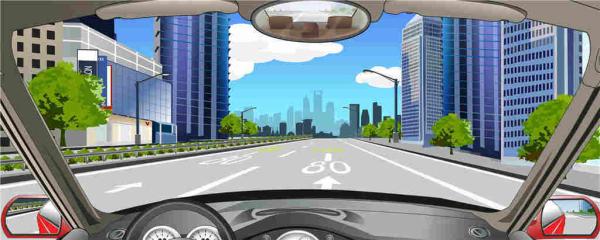
A. Right
B. Wrong
Answer: B
16. Motor vehicles are not permitted to change lanes in this position.

A. Right
B. Wrong
Answer: A
17. What should the motor vehicle driver do when the motor vehicle encounters the crosswalk in this situation?

A. Slow down and pass
B. Speed up and pass
C. Sound the horn and pass
D. Stop immediately
Answer: A
18. When driving onto the left lane, motor vehicle drivers are allowed to make a U-turn.
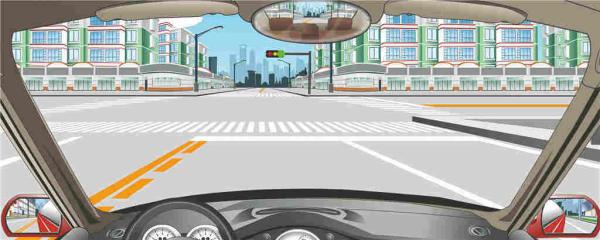
A. Right
B. Wrong
Answer: A
19. The sign on the right warns of a non-motor vehicle lane.
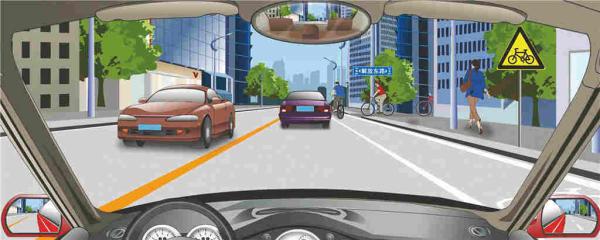
A. Right
B. Wrong
Answer: B
20. The sign on the right warns of three or more winding roads ahead.
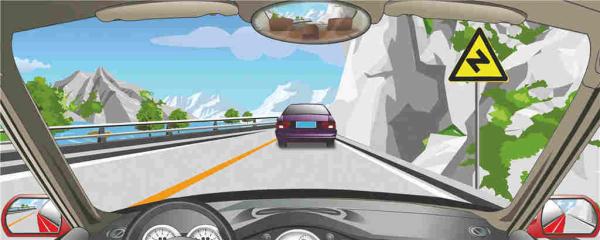
A. Right
B. Wrong
Answer: B