

1. It lights to remind that engine coolant may be insufficient.

A. Right
B. Wrong
Answer: A
2. This set of the hand signals of the traffic police indicates that the vehicles should ___ .

A. wait to turn left
B. pull over
C. turn right
D. reduce speed and pass slowly
Answer: C
3. When driving a vehicle on the road, the driver should drive safely at the prescribed speed.
A. Right
B. Wrong
Answer: A
4. What is the max speed when passing this curve?
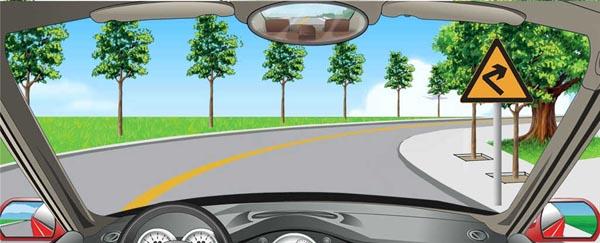
A. 40km/hr
B. 30km/hr
C. 50km/hr
D. 70km/hr
Answer: B
5. Going though the intersection according to the traffic lights when traffic lights and command of the traffic police are inconsistency.
A. Right
B. Wrong
Answer: B
6. How to pass this intersection?
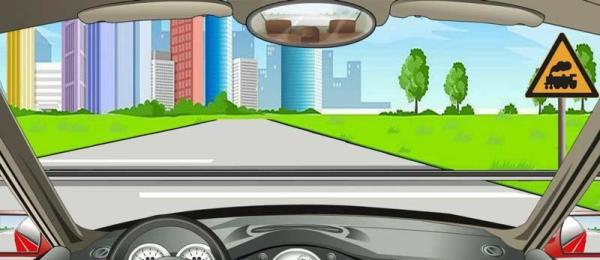
A. not reduce speed to pass
B. speed up to pass as soon as possible
C. slide over in the neutral gear
D. reduce speed or stop to observe
Answer: D
7. When passing an unmanned level crossing, the driver should ________.
A. Speed up and pass
B. Reduce speed and pass
C. Maintain the speed and pass
D. Stop, look and pass
Answer: D
8. When a vehicle changes lane before an intersection, the driver should do so ______.
A. In the area marked by solid lines before the intersection
B. In the area marked by solid lines in the intersection
C. In the area marked by broken lines as indicated by the guide arrow
D. Before the stop line at the intersection
Answer: C
9. The double yellow solid lines in the middle of the road are used to separate the traffic flow in opposite directions, crossing the lines to overtake or make a turn is allowed if it is safe.
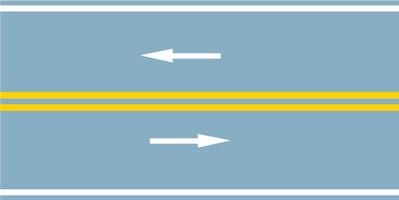
A. Right
B. Wrong
Answer: B
10. The main impact of mountain roads on safe driving is _______.
A. The traffic conditions are boring
B. The slopes are long, the curves are sharp and visibility range is shorter.
C. The traffic flow is heavy
D. The road signs are fewer
Answer: B
11. When encountering disabled people obstructing the traffic, the driver should voluntarily reduce speed and yield.
A. Right
B. Wrong
Answer: A
12. Whats the meaning of the area between two yellow broken lines in the circle?
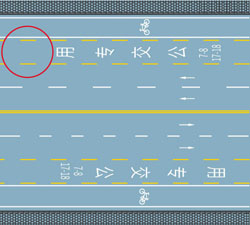
A. special lane for operating buses
B. special lane for large buses
C. special lane for taxis
D. special lane for public buses
Answer: D
13. What kind of violation does the red car have while temporarily stopping here?
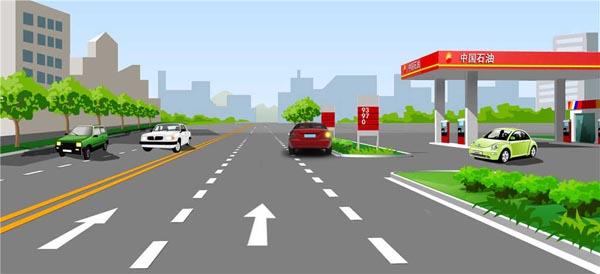
A. more than 30cm from roadside
B. stop in the section with no stopping marking
C. less than 30m from gas station
D. stop occupying the lane for non-motorized vehicles
Answer: C
14. It lights when turning on the width light.
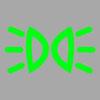
A. Right
B. Wrong
Answer: A
15. What is this instrument?
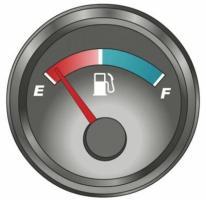
A. pressure meter
B. ammeter
C. water temperature meter
D. fuel meter
Answer: D
16. Move the switch up and down, the windscreen wipers start working.
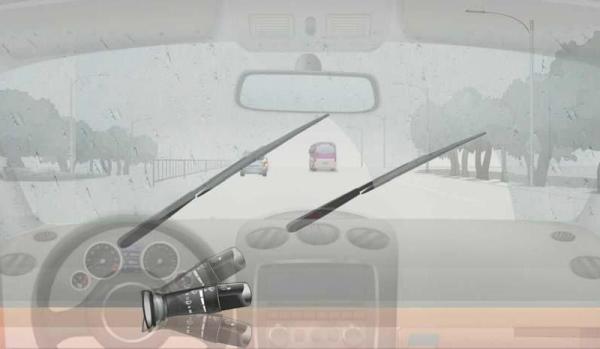
A. Right
B. Wrong
Answer: A
17. Traffic Police can detain the vehicle according to law if it is without the mandatory traffic accident insurance in accordance with state regulations.
A. Right
B. Wrong
Answer: A
18. When a driver needs to borrow a lane to bypass an obstacle in front and a vehicle in the opposite direction is approaching the obstacle, the driver should ___________.
A. Reduce speed or stop and yield to the vehicle coming in the opposite direction
B. Speed up and bypass the obstacle in advance
C. Honk to indicate the vehicle in the opposite direction to yield
D. Rapidly occupy the lane and force the vehicle coming in the opposite direction to stop and yield
Answer: A
19. When causing a road accident involving human casualties, the driver should immediately rescue the injured people and report to the traffic police as soon as possible.
A. Right
B. Wrong
Answer: A
20. The vehicle is allowed to _______ at this intersection.
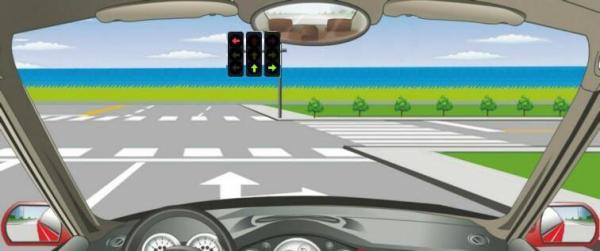
A. go straight or turn right
B. turn left
C. go straight or turn left
D. turn left or turn right
Answer: A