

1. Which measures is correct when a motor vehicle turn around?
A. Turn around in the turning lane
B. Should not turn on the turning light
C. Turn around in the straight lane
D. Turn on the left-turn signal in advance
Answer: AD
2. How should lamps be used when motor vehicle drivers pass through a two-way tunnel?
A. Turn on the hazard lamps
B. Turn on the high-beam
C. Turn on the fog lamp
D. Turn on the low-beam
Answer: D
3. When following other vehicles on a foggy day, what should the driver do?
A. Maintain a large safety distance
B. Turn on the high-beam
C. Turn on the low-bea
D. Sound the horn in due time
Answer: A
4. What is the meaning of this sign?
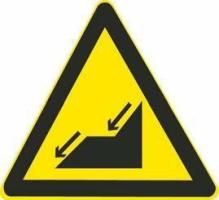
A. Continuous down slopes
B. Steep downhill road
C. Steep uphill road
D. Continuous up slopes
Answer: A
5. It is illegal to change lanes without turning on indicators.
A. Right
B. Wrong
Answer: A
6. What are the main reason for not applying emergency braking when driving on rainy days?
A. Increase fuel consumption
B. Reduce fuel consumption
C. The tires can easily spin
D. Easy to cause rear-end collision
Answer: CD
7. A driver should accelerate in advance to overtake then it is likely to meet with oncoming vehicles.
A. Right
B. Wrong
Answer: B
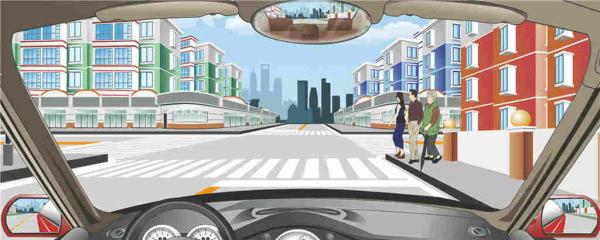
8. When the motor vehicle encounters a crosswalk in this situation, the driver may speed up and pass rapidly.
A. Right
B. Wrong
Answer: B
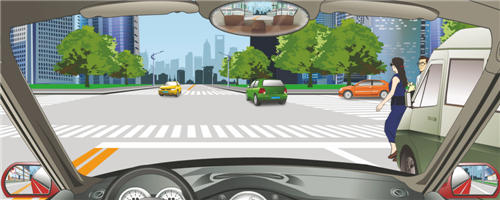
9. When a motor vehicle encounters pedestrian is passing at a crosswalk, the driver must slow down and pass slowly.
A. Right
B. Wrong
Answer: B
10. What should be checked before driving?
A. No parts need to be checked
B. Whether the tires have been cleaned
C. Where the spare tire is placed
D. The fastening and air pressure of tires
Answer: D
11. How should a motor vehicle follow the other vehicle In front when driving on a road covered with ice and snow?
A. Keep a long safe distance
B. Turn on hazard lamp
C. Change between high-and-low beam alternatively
D. Sound the horn in due time to give a notice to the vehicle in front
Answer: A
12. When driving a motor vehicle near an intersection, the vehicle may speed up and honk to pass.
A. Right
B. Wrong
Answer: B
13. Having driven his vehicle at 110km/hour on an urban road, Mr. Lin is trying to leave the scene after a rear-end collision but is held back by bystanders. The alcohol concentration in his blood, tested in an alcohol test by the traffic police, is 135.8mg per hundred milliliters. Which of the following law-breaking acts did Mr. Lin commit?
A. Drunk driving
B. Speeding
C. Fatigued driving
D. Hit-and-run driving
Answer: ABD
14. When a wounded person suffering burns is thirsty, he may drink a small quantity of slightly salty water.
A. Right
B. Wrong
Answer: A
15. What is the meaning of this sign?
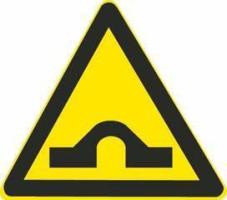
A. Hump bridge
B. High outburst road
C. Low-lying road
D. Bump road
Answer: A
16. When encountering children on the road, the driver should _________.
A. Reduce speed and go slowly, or stop to yield when necessary
B. Continuously honk to urge
C. Swiftly bypass from one side
D. Speed up and bypass
Answer: A
17. What is the meaning of this sign?
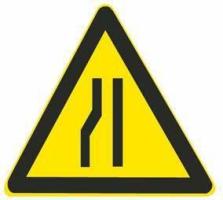
A. Road narrows on both sides
B. Road narrows on the right side
C. Road narrows on the left side
D. Bridge narrows
Answer: C
18. What is the meaning of this sign?
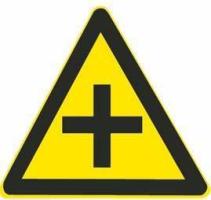
A. Intersection
B. Ring intersection
C. T-shaped intersection
D. Y-shaped intersection
Answer: A
19. When driving on a long downhill road, which is the best way to control the speed?
A. Coast in neutral gear
B. Take a low gear
C. Depress the clutch
D. Pull up the handbrake
Answer: B
20. When passing an intersection, vehicle motor drivers are not allowed to overtake.
A. Right
B. Wrong
Answer: A