

1. Which behavior a person had in 3 years is not allowed to apply for a motorized vehicle driving license?
A. insulin injections
B. drunken experience
C. smoking addiction
D. drug injections
Answer: D
2. Traffic Police can detain the vehicle according to law if it runs on the road failing to place a label of inspection.
A. Right
B. Wrong
Answer: A
3. The age limit of applying for small vehicle is ________ .
A. 18~60 years old
B. 18~70 years old
C. 24~70 years old
D. 21~50 years old
Answer: B
4. Within the validity of the Admission Form, the times of test reservation for Driving Skills of subject 2 and subject 3 can not exceed ______
A. 3 times
B. 4 times
C. 5 times
D. 6 times
Answer: C
5. When bicycles ahead obstruct the traffic flow, the driver may honk to remind them,speed up and bypass.
A. Right
B. Wrong
Answer: B
6. This set of the hand signals of the traffic police indicates that the vehicles should ____ .
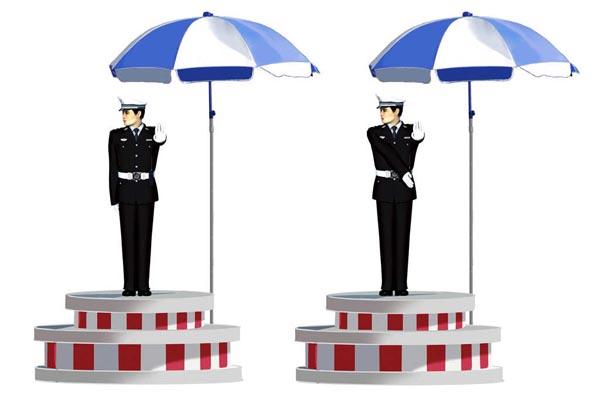
A. reduce speed and pass slowly
B. pull over
C. stop
D. turn right
Answer: D
7. Whats the meaning of this sign?
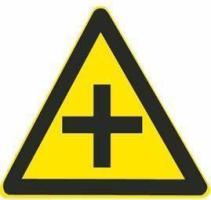
A. intersection
B. ring intersection
C. T-shaped intersection
D. Y-shaped intersection
Answer: A
8. The front safety bags play a fully protective role when used in conjunction with ______
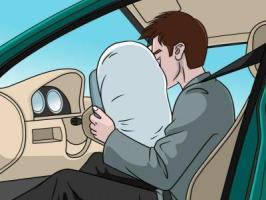
A. ABS system
B. seat belt
C. safety pillow of the chair
D. safety glasses
Answer: B
9. When a vehicle has increased its speed to more than 60 kilometers per hour on the ramp of an expressway, it may directly enter the carriageway.
A. Right
B. Wrong
Answer: B
10. After starting the engine, it lights to indicate that ______

A. fuel pump abnormal or malfunction
B. ignition system malfunction
C. fuel supply system is abnormal
D. fuel in tank reaches the minimum level
Answer: D
11. Using the low beam light in such circumstances.
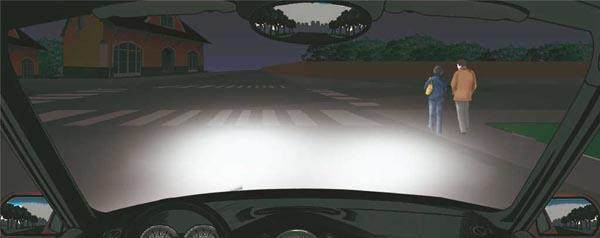
A. Right
B. Wrong
Answer: A
12. It lights to indicate that ______

A. charge current is too large
B. damaged battery
C. ammeter malfunction
D. charging circuit malfunction
Answer: D
13. What marking is the triagle filled area in the circle?
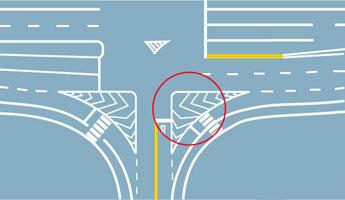
A. stop line
B. deceleration line
C. guide line
D. cross-hatched marking
Answer: C
14. Whats the meaning of this sign?
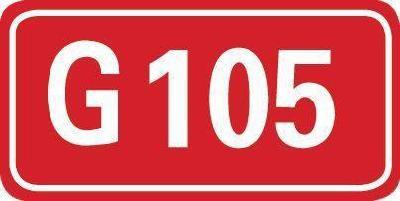
A. township road No.
B. county road No.
C. provincial highway No.
D. national highway No.
Answer: D
15. When a vehicle runs on an expressway at the speed of 100 kilometers per hour, its safe distance from the vehicle in front is not less than 100 meters.
A. Right
B. Wrong
Answer: A
16. childrens passage
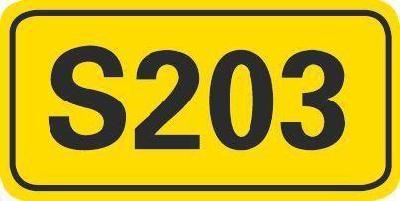
A. provincial highway No.
B. national highway No.
C. county road No.
D. township road No.
Answer: A
17. When causing a road accident involving property damage, the party should leave the scene on his own but he does not leave, the traffic police can not order him to leave.
A. Right
B. Wrong
Answer: B
18. May throw items to the road while driving.
A. Right
B. Wrong
Answer: B
19. How far should be the distance from the vehicle in front at the speed of more than 100 km/hr when driving a small passenger vehicle on the expressway?
A. more than 50 meters
B. more than 60 meters
C. more than 100 meters
D. more than 80 meters
Answer: C
20. This sign reminds the lane or the road narrows on the left side ahead.
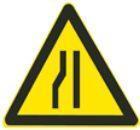
A. Right
B. Wrong
Answer: A