

1. When a vehicle changes lane before an intersection, the driver should do so ______.
A. In the area marked by solid lines before the intersection
B. In the area marked by solid lines in the intersection
C. In the area marked by broken lines as indicated by the guide arrow
D. Before the stop line at the intersection
Answer: C
2. What marking is the yellow road surface in the center of the intersection?
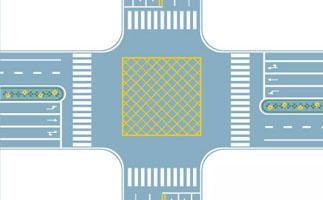
A. central circle
B. guide line
C. cross-hatched marking
D. parking area
Answer: C
3. Whitch kind of vehicle is prohibited from passing by this sign?
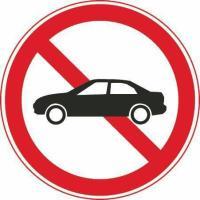
A. all kinds
B. small bus
C. midsize bus
D. small truck
Answer: B
4. The reason that a road destroyed by flood affects safe driving and smooth passage is __.
A. The road grip becomes stronger
B. It is impossible to see the hidden holes and bumps in road surface
C. The visibility become lower and blurs the field of vision
D. The sunshine reflection blurs the view
Answer: B
5. A person who has falsified or altered the motorized vehicle driving license and if his act constitutes a crime, he should be held for criminal liabilities according to law.
A. Right
B. Wrong
Answer: A
6. Whats the meaning of this sign?
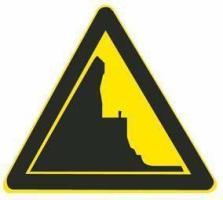
A. embankment road
B. dangerous hillside road
C. rock-falling road
D. cliffside road
Answer: B
7. What will be subject to if driving the vehicle reached write-off standard?
A. a 20~200 yuan fine
B. being held for criminal liabilities
C. being detained for less than 15 days
D. being revoked the driving license
Answer: D
8. When an accident has caused congestion on an expressway, the vehicles may run in the emergency strip on the right or in the shoulder of the road.
A. Right
B. Wrong
Answer: B
9. For a driver who drivers a commercial motor vehicle after drinking, besides being detained by the traffic management department of the public security organ till he/she sobers up, what will he/she be subject to?
A. Temporary detainment of the motor vehicle
B. Temporary detainment of the driving license
C. Revocation of the motor vehicle driving license
D. He/she will be banned from driving for life
Answer: C
10. Let the straight-going vehicle go first at this intersection.
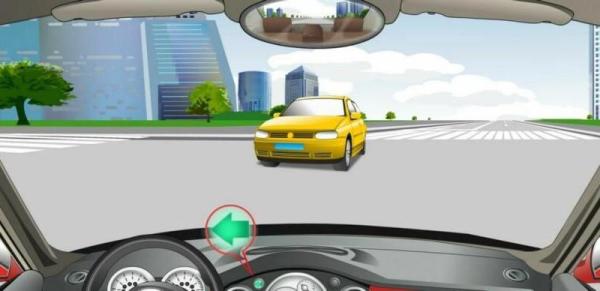
A. Right
B. Wrong
Answer: A
11. You may not use the turn signal when you change to the right lane.
A. Right
B. Wrong
Answer: B
12. When driving in icy and snowy weather, light reflection from the accumulated snow can easily make a driver feel dizzy and have an illusion.
A. Right
B. Wrong
Answer: A
13. How to use lights when pulling over on road?
A. turn on the hazard lights
B. turn on the right-turn signal in advance
C. use the high and low beam lights alternately
D. not need to use any light to indicate
Answer: B
14. One can drive the small motor vehicle with automatic transmission if the authorized vehicle applied for is small motor vehicle.
A. Right
B. Wrong
Answer: A
15. When driving at night on a road that has good lighting, the driver should use _______.
A. The fog light
B. The low beam light
C. The high beam light
D. The hazard lights
Answer: B
16. Whats the meaning of this sign?
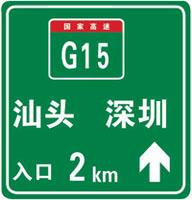
A. expressway entry ahead
B. expressway ending ahead
C. expressway beginning ahead
D. expressway exit ahead
Answer: A
17. This sign warns two neighboring inverse curves ahead.
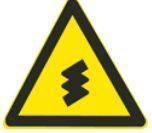
A. Right
B. Wrong
Answer: B
18. When a driver suddenly encounters a vehicle in the opposite direction that forces its way by overtaking and occupying his lane, the driver may refuse to avoid it and force it to yieldto you.
A. Right
B. Wrong
Answer: B
19. Move the turn signal switch upward, the left-turn signal lights.

A. Right
B. Wrong
Answer: B
20. What causes the rear-end collision?
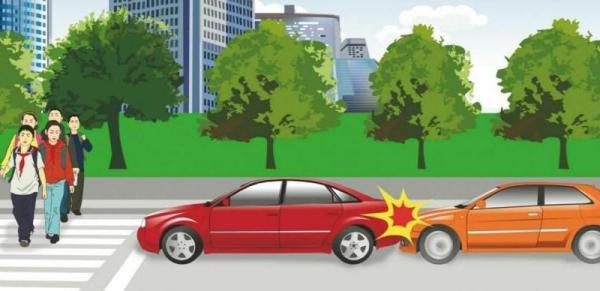
A. not observe through the rear-view mirror while the vehicle in front brakes
B. the vehicle in front brakes suddenly
C. distance from the vehicle in front is too close when the rear vehicle overtakes
D. not maintain a safe distance from the vehicle in front
Answer: D