

1. Overtaking is allowed when passing a level crossing in city where no train passes.
A. Right
B. Wrong
Answer: B
2. The front safety bags play a fully protective role when used in conjunction with ______
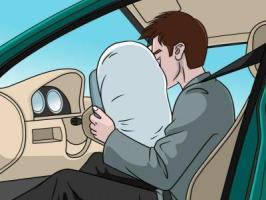
A. ABS system
B. seat belt
C. safety pillow of the chair
D. safety glasses
Answer: B
3. A vehicle may stop on the ramp of an expressway.
A. Right
B. Wrong
Answer: B
4. If the license plate of a motorized vehicle has been destroyed, the owner of the vehicle should apply for reissuing or changing to the vehicle management station at the registration place.
A. Right
B. Wrong
Answer: A
5. This sign reminds the lane or the road narrows on the left side ahead.
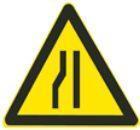
A. Right
B. Wrong
Answer: A
6. The motorized vehicle driver who lives outside the jurisdiction of the issuing vehicle management station may apply to the vehicle management station at the place where he is living, for license change.
A. Right
B. Wrong
Answer: A
7. Which lane to choose when turning left in this intersection?
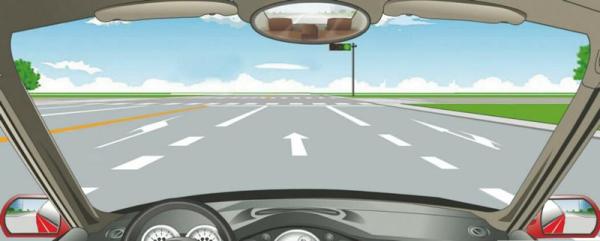
A. the far left lane
B. middle lane
C. not need to change lane
D. the far right lane
Answer: A
8. A driver applies for the driving license for the first time and is during the period of probation, he can drive a motorized vehicle on expressway alone.
A. Right
B. Wrong
Answer: B
9. Driving this kind of vehicle on road is ____
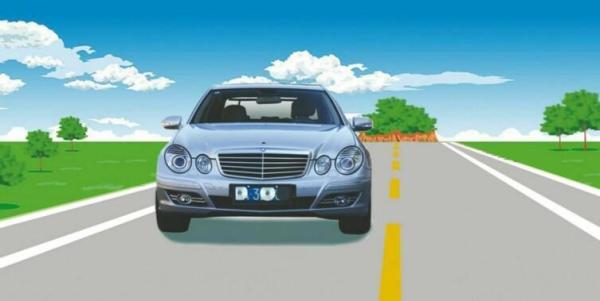
A. rule-breaking act
B. violation of regulations
C. violation of law
D. criminal act
Answer: C
10. What is this manipulation device?
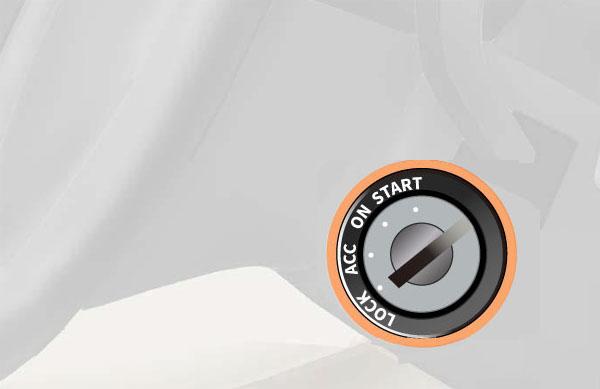
A. air conditioner switch
B. ignition switch
C. wiper switch
D. light switch
Answer: B
11. A driver may drive on the road a motorized vehicle overhauled which has reached the scraped standard.
A. Right
B. Wrong
Answer: B
12. If the vehicle license of a motorized vehicle are lost, the vehicle owner should apply to the vehicle management station at the registration place for reissuing.
A. Right
B. Wrong
Answer: A
13. Whats the meaning of this sign?
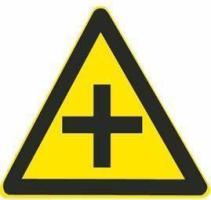
A. intersection
B. ring intersection
C. T-shaped intersection
D. Y-shaped intersection
Answer: A
14. This sign indicates intersection ahead.
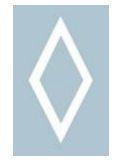
A. Right
B. Wrong
Answer: B
15. What device does the switch of this symbol control?

A. the windscreen defrosting
B. the rear window wiper
C. the rear window defrosting
D. the windscreen wiper
Answer: D
16. As the braking distance increases on a wet road in a rainy day, the driver should use the emergency brake as much as possible to reduce speed.
A. Right
B. Wrong
Answer: B
17. This sign indicates construction section ahead and bypassing from left or right side.
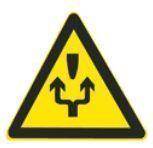
A. Right
B. Wrong
Answer: B
18. When the driver discovers a tire is leaking and steers the vehicle off the main carriageway, he should refrain from applying emergency so as to avoid a vehicle turnover or a rear-end collision arising from the late braking of the following vehicle.
A. Right
B. Wrong
Answer: A
19. Driving in a dusty weather, it does not needed to turn on the head light, the contour light and the tail light.
A. Right
B. Wrong
Answer: B
20. When a vehicle stops temporarily in a snowy day, the driver should turn on _______.
A. The head and tail fog light
B. The reserve light
C. The high beam light
D. The hazard lights
Answer: D