

1. The guide arrow on the road surface of this lane indicates that drivers are only permitted to continue straight at the intersection ahead.
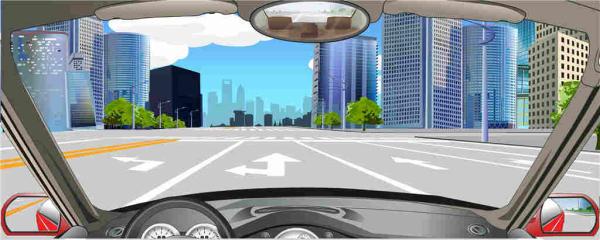
A. Right
B. Wrong
Answer: B
2. The broken white reflective line on the road warns that drivers should drive at a lower speed on the road section ahead.
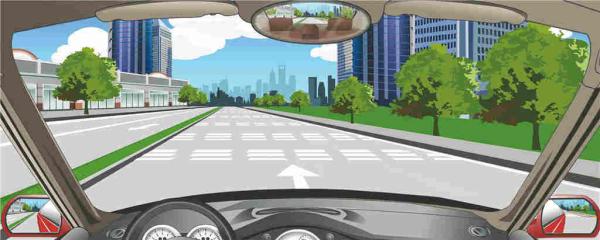
A. Right
B. Wrong
Answer: A
3. What should the driver pay attention to in this situation?
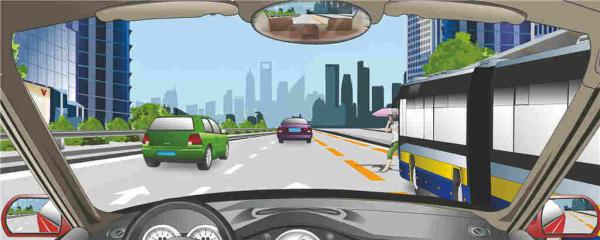
A. Pedestrians passing behind the vehicle
B. Pedestrians passing in front of the vehicle
C. Public buses suddenly reversing
D. Public buses suddenly setting off
Answer: B
4. The sign on the right indicates right-hand turn only.
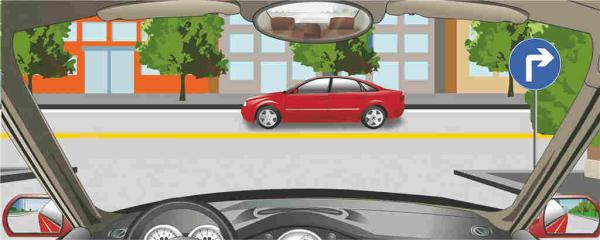
A. Right
B. Wrong
Answer: A
5. When a wounded person is unable to get off the vehicle by himself, he should be removed from the vehicle so as to avoid a secondary injury.
A. Right
B. Wrong
Answer: A
6. The sign on the right warns of right-hand S-shaped bend ahead.
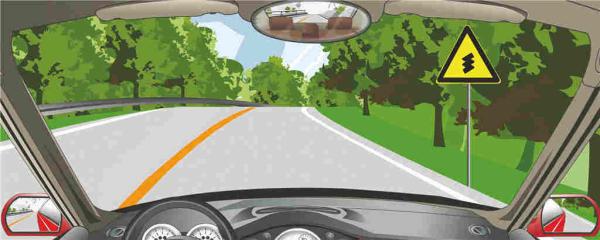
A. Right
B. Wrong
Answer: B
7. When a motor vehicle breaks down and cannot be moved away from the expressway, the driver and all passengers should stay in the vehicle and wait for the rescue personnel.
A. Right
B. Wrong
Answer: B
8. When passing another vehicle on a foggy day, what should drivers do?
A. Slow down and pass slowly
B. Maintain a safety distance
C. Properly use lamps
D. Drive at a high speed
Answer: ABC
9. The sign on the right indicates an emergency shield 100 meters ahead.
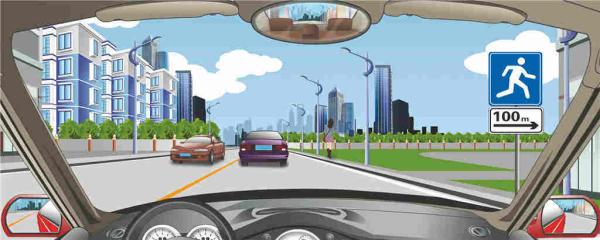
A. Right
B. Wrong
Answer: A
10. In this situation, motor vehicles are permitted to stop temporarily at bus stations.
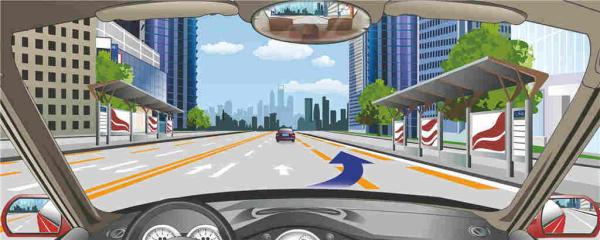
A. Right
B. Wrong
Answer: B
11. When driving in a residential area, the driver should not exceed the speed indicated by the speed limit sign.
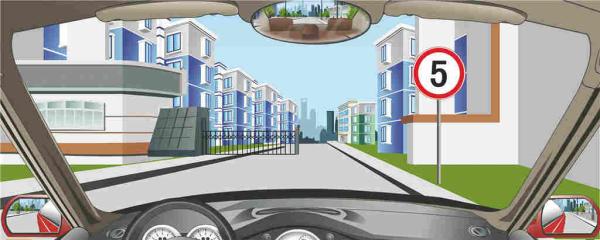
A. Right
B. Wrong
Answer: A
12. When the driver discovers a tire is leaking and steers the vehicle off the main driving lane, he/she should refrain from applying emergency braking so as to avoid a vehicle turnover or a rear-end collision arising from the late braking of the vehicle behind.
A. Right
B. Wrong
Answer: A
13. The sign on the right indicates that the vehicle should yield to the oncoming traffic as approaching each other.
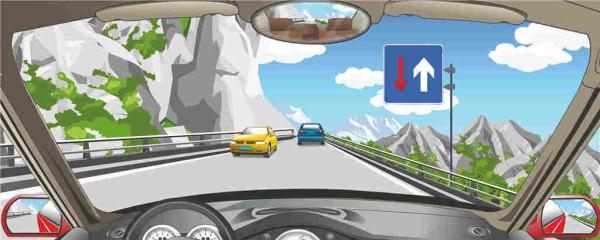
A. Right
B. Wrong
Answer: B
14. Under such circumstances, what should be done by the motor vehicle driver?

A. Overtaking the vehicle in front on its left
B. Overtaking by occupying the opposite lane
C. Overtaking the vehicle in front on its right
D. Following the vehicle in front
Answer: D
15. What should be given attention when setting off in this weather?
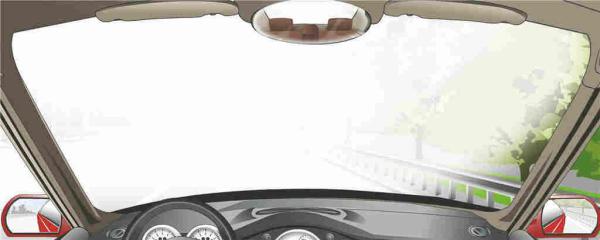
A. Turning on the high-beam
B. Turning on the front and rear fog lamps
C. Turning on the left indicator only
D. Continuously sounding the horn
Answer: B
16. Drivers may go ahead when traffic polices posture is like this.
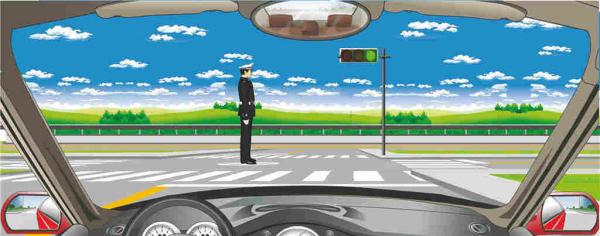
A. Right
B. Wrong
Answer: A
17. When encountering such pedestrians while driving, a longer safety distance should be kept by drivers.
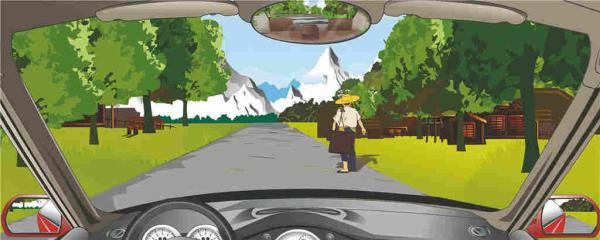
A. Right
B. Wrong
Answer: A
18. How should the driver use vehicle lights when the motor vehicle enters this intersection?
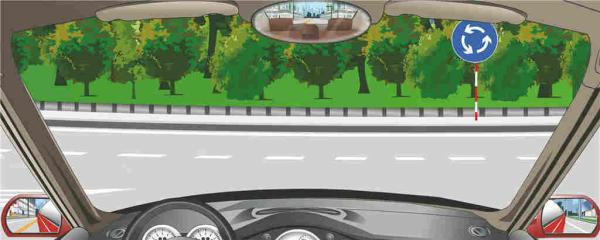
A. Turn on the right-turn indicator
B. Turn on the hazard lamps
C. No need to turn on any indicators
D. Turn on the left indicator
Answer: C
19. The guide arrow on the road surface of this lane indicates that drivers are only permitted to continue straight at the intersection ahead.
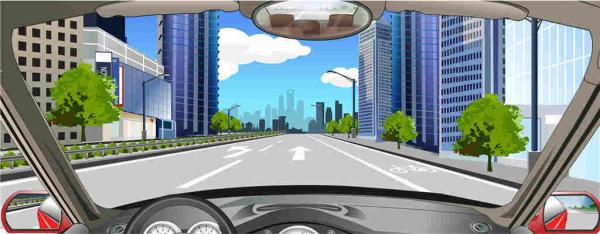
A. Right
B. Wrong
Answer: A
20. The driver should yield to other non-motor vehicles when the motor vehicle turns right at this Intersection.
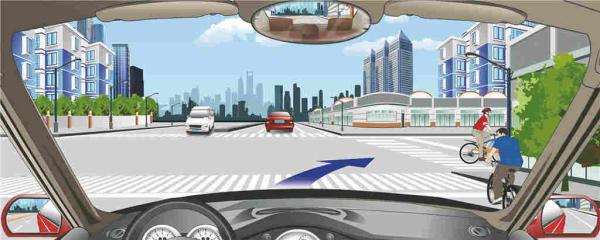
A. Right
B. Wrong
Answer: A