

1. Which of the following vehicle in front in the same lane is not allowed to be overtaken?
A. large bus or large truck
B. fire engine on duty
C. public bus
D. taxis
Answer: B
2. Whats the meaning of this sign?
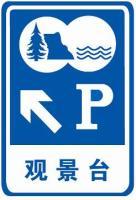
A. observation deck
B. car park
C. rest area
D. parking space
Answer: A
3. It flashes when breaking down.

A. Right
B. Wrong
Answer: B
4. What is this manipulation device?
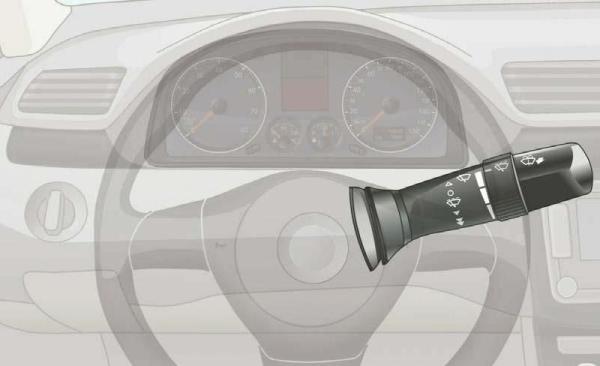
A. switch of windscreen wiper
B. switch of the head lights
C. switch of the turn signal
D. switch of defogger
Answer: A
5. Is there any effective auxiliary method to control the speed while driving on a long downhill road besides braking.
A. Shift to the neutral gear and slide
B. Use the engine to brake
C. Turn off the engine and slide
D. Depress the clutch and slide
Answer: B
6. As the braking distance increases on a wet road in a rainy day, the driver should use the emergency brake as much as possible to reduce speed.
A. Right
B. Wrong
Answer: B
7. How to do when encountering slow-moving vehicles in front?
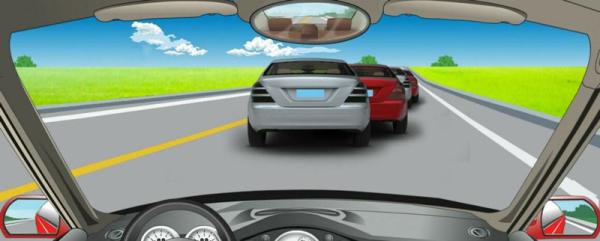
A. follow the vehicles in front
B. occupy the opposite lane to overtake
C. borrow the lane from right side to overtake
D. overtake from both sides as will
Answer: A
8. When a motorized vehicle goes at night through an intersection that has no traffic lights, the driver should not use the high and low beam lights alternately.
A. Right
B. Wrong
Answer: B
9. Which is correct if a vehicle breaks down and is difficult to move?
A. turn on the hazard lights
B. turn on all the lights of the vehicle
C. forbid the passengers to get off
D. place a warning sign in front of the vehicle
Answer: A
10. How to use lights when entering the speed-reducing lane?
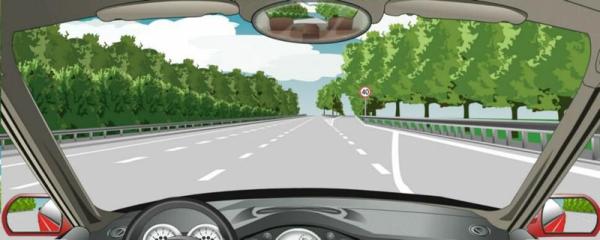
A. turn on the hazard lights
B. turn on the head light
C. turn on the left-turn signal
D. turn on the right-turn signal
Answer: D
11. When a vehicle follows another vehicle on a mountain road, it should ____.
A. Properly increase the safe distance
B. Closely follow the vehicle in front
C. Properly reduce the safe distance
D. Try to find a chance to overtake
Answer: A
12. When a vehicle runs on a narrow mountain road, the driver should ______ if the party close to the mountain mass refuses to yield.
A. Honk to urge the other party to yield
B. Maintain the normal speed
C. Reduce speed or stop to yield
D. Use the left lane and pass with care
Answer: C
13. What kind of lane that the red car running in?
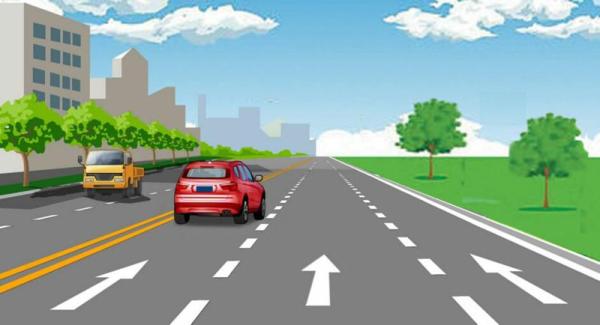
A. fast lane
B. slow lane
C. emergency lane
D. special lane
Answer: A
14. Speed up when passing the overflowing road.
A. Right
B. Wrong
Answer: B
15. Whats the meaning of this sign?

A. distance to a tourist area
B. direction of a tourist area
C. symbol of a tourist area
D. category of a tourist area
Answer: A
16. When reaching an intersection, the driver should _____ if a turning vehicle cuts in.
A. Stop to evade
B. Maintain the normal speed
C. Speed up and pass ahead of it
D. Honk and pass ahead of it
Answer: A
17. Whats the meaning of this sign?
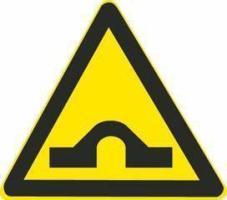
A. hump bridge
B. high outburst road
C. low-lying road
D. bump road
Answer: A
18. This set of the hand signals of the traffic police indicates that the vehicles should ___ .
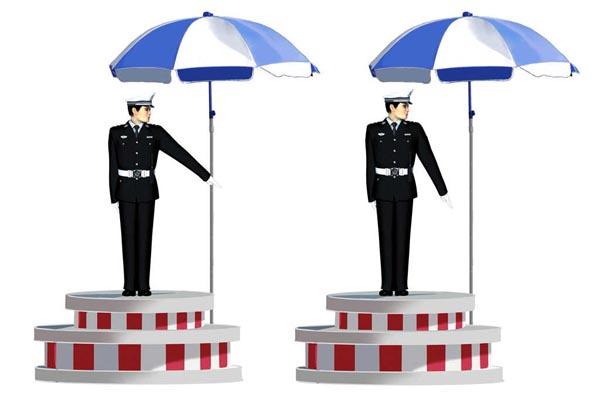
A. turn left
B. wait to turn left
C. reduce speed and pass slowly
D. turn right
Answer: B
19. When driving in thick or extremely thick fog, the driver should ____ due to low visibility.
A. Turn on the head light and keep driving
B. Turn on the contour light, fog light and drive along the right side
C. Turn on the hazard lights and keep driving
D. Turn on the hazard lights, fog light, and stop at a safe place
Answer: D
20. Steering wheel will be locked if removing the key while the ignition switch is in the LOCK position.
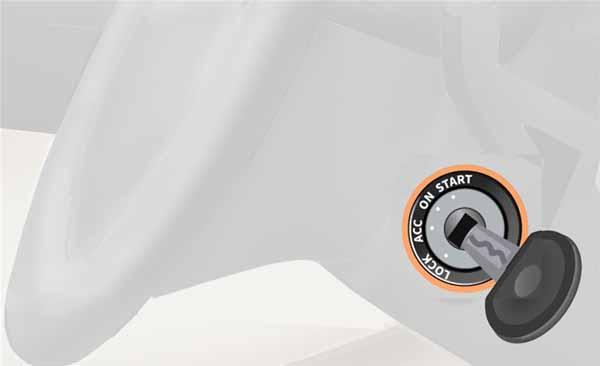
A. Right
B. Wrong
Answer: A