

1. Traffic Police can detain the vehicle according to law if it is without the mandatory traffic accident insurance in accordance with state regulations.
A. Right
B. Wrong
Answer: A
2. How to pass this intersection?
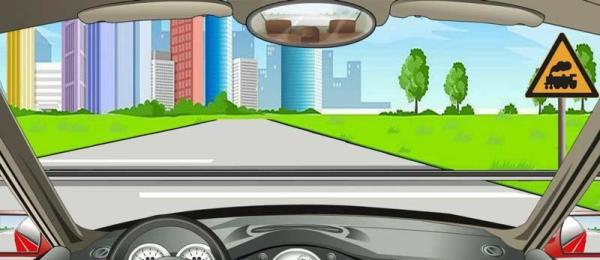
A. not reduce speed to pass
B. speed up to pass as soon as possible
C. slide over in the neutral gear
D. reduce speed or stop to observe
Answer: D
3. The vehicle with ABS system can minimize the braking distance when driving on a road covered by ice and snow.
A. Right
B. Wrong
Answer: B
4. Whats the meaning of this sign?
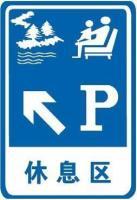
A. rest area
B. service area
C. car park
D. observation deck
Answer: A
5. Whats the meaning of this sign?
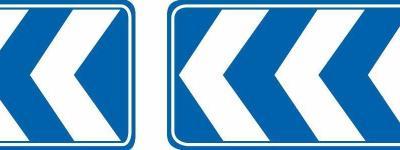
A. line guide signs
B. lane merging guide signs
C. lane branching guide signs
D. turning guide signs
Answer: A
6. This sign indicates jammed section ahead and passing slowly.
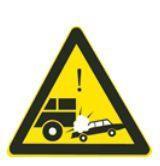
A. Right
B. Wrong
Answer: B
7. When reaching an intersection, a left-turning vehicle may enter the left-turn waiting area anytime.
A. Right
B. Wrong
Answer: B
8. Which kind of sign is it?
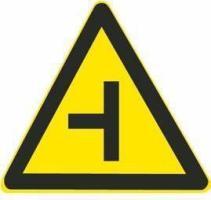
A. warning sign
B. directional sign
C. indicative sign
D. prohibitive sign
Answer: A
9. What marking is the white semicircle in the circle?

A. driving at reduced speed
B. ascertaining the vehicles speed
C. reducing the speed at the intersection
D. ascertaining the distance between the vehicles
Answer: D
10. As thick fog reduces visibility, turning on the high beam light can increase the visibility.
A. Right
B. Wrong
Answer: B
11. When driving at night, the driver should reduce speed and go forward if the vehicle coming in the opposite direction fails to turn off the high beam light. This is designed to prevent an accident from happening when there are pedestrians crossing the place where the lights of the two vehicles meet.
A. Right
B. Wrong
Answer: A
12. Whats the meaning of this sign?
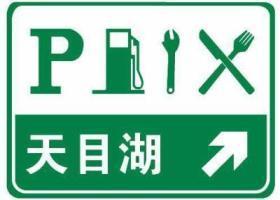
A. expressway bus station ahead
B. expressway shelter ahead
C. expressway service area ahead
D. expressway toll station ahead
Answer: C
13. A person who has taken the state-controlled psychiatric substances can drive motorized vehicle in short distance.
A. Right
B. Wrong
Answer: B
14. Whats the meaning of this sign?
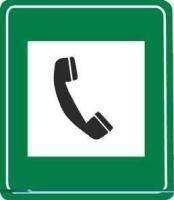
A. expressway public phone
B. expressway police phone
C. expressway emergency phone
D. expressway rescue phone
Answer: C
15. It lights to remind that the driver has not buckled up.

A. Right
B. Wrong
Answer: A
16. Nobody is allowed to drive a motorized vehicle that has safety hazards.
A. Right
B. Wrong
Answer: A
17. How far should be the distance from the vehicle in front at the speed of more than 100 km/hr when driving a small passenger vehicle on the expressway?
A. more than 50 meters
B. more than 60 meters
C. more than 100 meters
D. more than 80 meters
Answer: C
18. Whats the meaning of this sign?
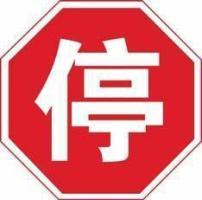
A. stop to yield
B. no stopping temporarily
C. no entry
D. no long stopping
Answer: A
19. This sign warns obstacles ahead and reducing speed to bypass.
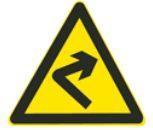
A. Right
B. Wrong
Answer: B
20. Whats the meaning of this sign?
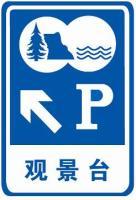
A. observation deck
B. car park
C. rest area
D. parking space
Answer: A