

1. When encountering a vehicle in the opposite direction forcing its way by using his lane, the driver should __________.
A. Force the other side to drive by the right side
B. Use the high beam light to warn the other side
C. Voluntarily yield to the other side
D. Go ahead by the center of the road
Answer: C
2. When encountering stopping and waiting in turn or slow-moving vehicles in front, the motorized vehicle may _________.
A. borrow road to overtake
B. occupy the opposite lane
C. follow the vehicles in front
D. cut in the waiting vehicles
Answer: C
3. Is there any effective auxiliary method to control the speed while driving on a long downhill road besides braking.
A. Shift to the neutral gear and slide
B. Use the engine to brake
C. Turn off the engine and slide
D. Depress the clutch and slide
Answer: B
4. When a motorized vehicle breaks down on the expressway, the driver should place a warning sign 50 meters ~ 100 meters in the coming direction.
A. Right
B. Wrong
Answer: B
5. Whats the meaning of this sign?
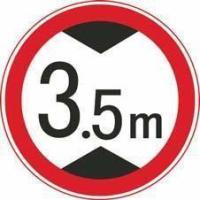
A. 3.5m width limit
B. 3.5m width limit ban is lifted
C. 3.5m distance from vehicles limit
D. 3.5m height limit
Answer: D
6. Whats the meaning of this sign?

A. Road traffic flow monitoring
B. Deceleration photographed area
C. Full section snapshot
D. Traffic monitoring equipment
Answer: D
7. A qualified driver should not only be technically adept, but more importantly have good driving habits and ethical attainments.
A. Right
B. Wrong
Answer: A
8. When a vehicle is being overtaken by another vehicle, and there is a vehicle following behind, the driver should _____.
A. continue to speed up and run
B. turn slightly to the right side, keep a safe horizontal distance
C. run by road center
D. speed up to the right side to yield
Answer: B
9. Whats the meaning of this sign?
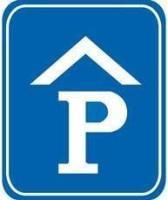
A. special car park
B. uncovered car park
C. indoor car park
D. internal car park
Answer: C
10. A motorized vehicle is not allowed to make a U turn at the level crossing, bridge, steep slope, tunnel or dangerous road section.
A. Right
B. Wrong
Answer: A
11. The driver is prohibited from opening the door and letting passengers on and off when a vehicle has not come to a full stop.
A. Right
B. Wrong
Answer: A
12. When a vehicle passes a curve on a mountain road, the driver should reduce speed, honk and stick to the right.
A. Right
B. Wrong
Answer: A
13. It lights when turning on the rear fog light.

A. Right
B. Wrong
Answer: B
14. No turning right when encountering this traffic light at the intersection.

A. Right
B. Wrong
Answer: B
15. It lights when turning on the front low beam lights.

A. Right
B. Wrong
Answer: B
16. Whats the meaning of this sign?
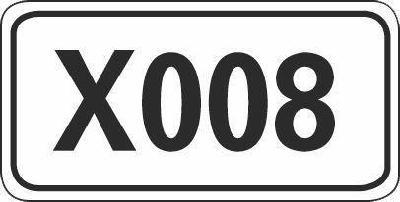
A. provincial highway No.
B. national highway No.
C. county road No.
D. township road No.
Answer: C
17. If a driving license is obtained by deception, bribery or other illegal means, the driving license should be revoked and the applicant is not allowed to re-apply for it _____ .
A. within 3 years
B. the whole life
C. within 1 year
D. within 5 years
Answer: A
18. If a motorized vehicle has reached the states mandatory write-off standard, its registration will not be handled.
A. Right
B. Wrong
Answer: A
19. Reducing the speed when driving in sand, hail, rain, fog, ice and other weather conditions.
A. Right
B. Wrong
Answer: A
20. No turning left in this situation.
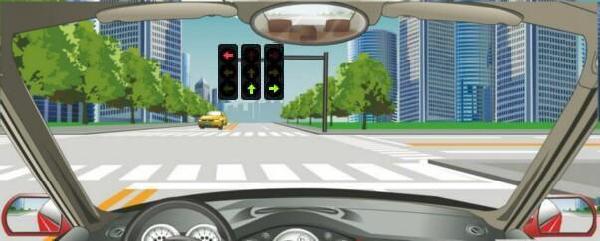
A. Right
B. Wrong
Answer: A