

1. When a vehicle stops temporarily in a snowy day, the driver should turn on _______.
A. The head and tail fog light
B. The reserve light
C. The high beam light
D. The hazard lights
Answer: D
2. Can not overtake in this situation.

A. Right
B. Wrong
Answer: A
3. When a vehicle wades across the water, the driver should maintain a low speed, and _____ the brake pedal so as to restore the braking efficiency.
A. Continuously and strongly depress
B. Intermittently and strongly depress
C. Continuously and gently depress
D. Intermittently and gently depress
Answer: D
4. What marking is it?
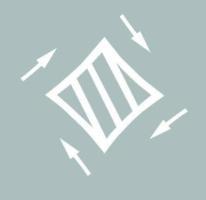
A. A cross-hatched marking
B. prohibitive area
C. guide line
D. central circle
Answer: D
5. Whats the meaning of this sign?
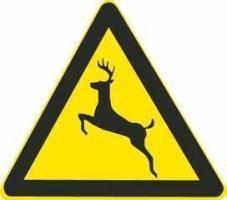
A. watch for wildlife
B. watch for animals
C. zoo park
D. opened pastoral area
Answer: A
6. This sign reminds the lane or the road narrows on the right side ahead.
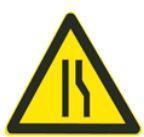
A. Right
B. Wrong
Answer: A
7. What is this manipulation device?
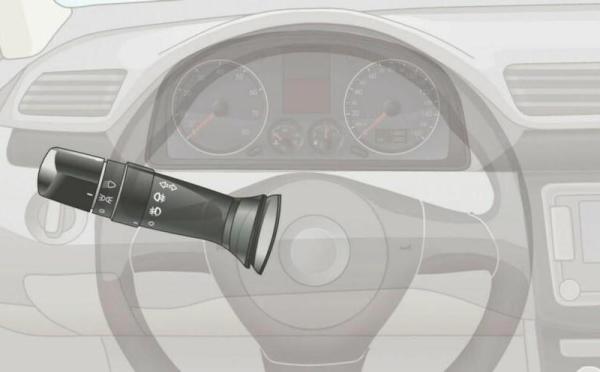
A. switch of reverse light
B. switch of wiper
C. switch of the hazard lights
D. combination switch of lights and signals
Answer: D
8. Which kind of sign is it?
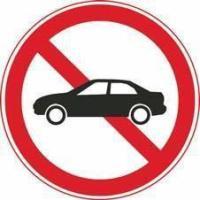
A. warning sign
B. prohibitive sign
C. indicative sign
D. directional sign
Answer: B
9. Which is subject to a 6-point penalty?
A. use other vehicles vehicle license
B. run 50% faster than the prescribed speed limit
C. illegally occupy emergency lane
D. drive after drinking
Answer: C
10. If a motorized vehicle driver chases and races while driving on road, commits serious acts, the driver is subject to a prison term of less than 3 years.
A. Right
B. Wrong
Answer: B
11. The main impact of the road conditions in icy and snowy weather is ______.
A. The electric equipment can easily get wet and cause short circuit
B. The visibility is lower and the field of vision is blurred
C. The resistance to the vehicle increases
D. Poor braking performance and Side pulling
Answer: D
12. What does this symbol indicate?

A. switch of high beam lights
B. switch of the low beam lights
C. master switch of vehicle lights
D. the switch of tail fog light
Answer: C
13. When changing lanes on an expressway, the driver should turn on the turn signal in advance, observe the traffic conditions, and slowly turn the steering wheel and enter the new lane after making sure it is safe to do so.
A. Right
B. Wrong
Answer: A
14. Whats the meaning of this sign?
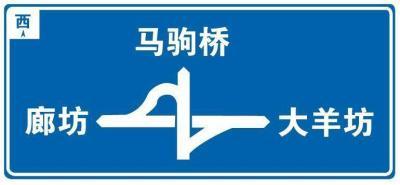
A. intersection ahead
B. interchange ahead
C. Y-shaped intersection ahead
D. ring intersection ahead
Answer: B
15. May speed up to go through the crosswalk in this situation.
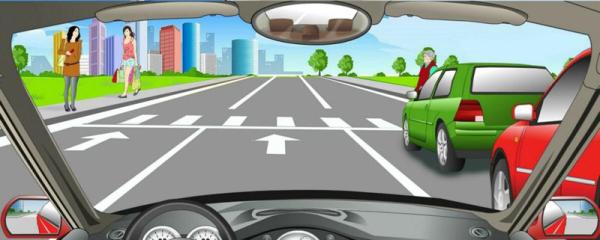
A. Right
B. Wrong
Answer: B
16. It lights when turning on the front low beam lights.

A. Right
B. Wrong
Answer: B
17. Whats the role of the prohibitive sign?
A. indicate the vehicles to go ahead
B. warn danger ahead
C. prohibit or restrict from doing
D. tell the direction information
Answer: C
18. Whats the meaning of this sign?
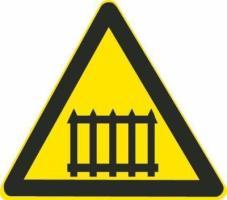
A. a manned level crossing
B. multi-crossing of railway and road
C. grade separation level crossing
D. an unmanned level crossing
Answer: A
19. If a driver has not received full penalty points, and the fine has not been paid, the penalty points will be transferred into the next scoring cycle.
A. Right
B. Wrong
Answer: A
20. What is this traffic sign?
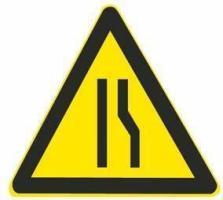
A. Road narrows on both sides
B. Road narrows on the right side
C. Road narrows on the left side
D. Bridge narrows
Answer: B