

1. Whats the meaning of this yellow sign on the road?
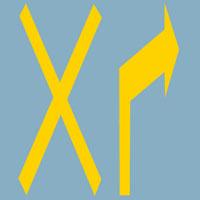
A. no U turn
B. no left turn
C. no right turn
D. no going straight
Answer: C
2. Driving this motorized vehicle on road is not an illegal act.
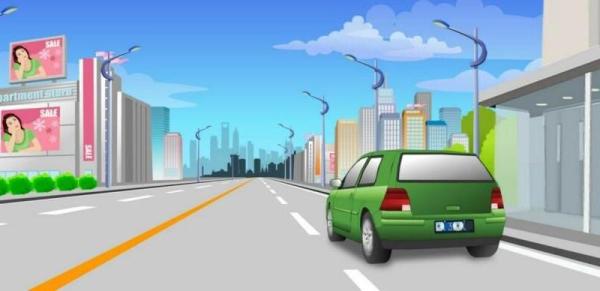
A. Right
B. Wrong
Answer: B
3. It lights to indicate that luggage compartment is open.

A. Right
B. Wrong
Answer: B
4. Whats the meaning of this sign?
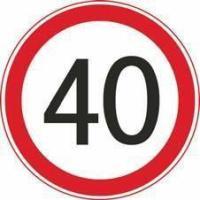
A. reducing speed 40m ahead
B. minimum speed is 40km/hr
C. axle weight limit is 40 tons
D. maximum speed limit is 40km/hr
Answer: D
5. What kind of violation does this broken down vehicle have?
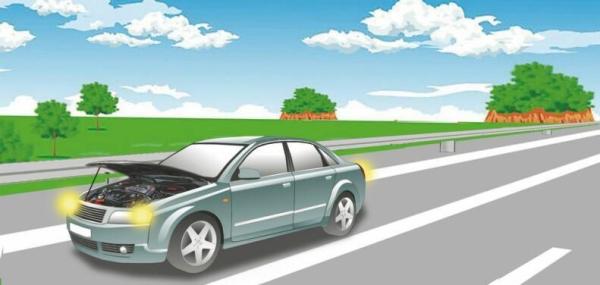
A. not turn on the hazard lights
B. not stop the car by the roadside
C. not solve the problem at once
D. not place the warning sign
Answer: D
6. A motorized vehicle is not allowed to stop in the section 50 meters to the intersection.
A. Right
B. Wrong
Answer: A
7. When driving at night, the drivers visibility range becomes shorter and his observation becomes poorer. At the same time, the driver can easily become tired because he has to highly concentrate his attention.
A. Right
B. Wrong
Answer: A
8. When the driver discovers a tire is leaking and steers the vehicle off the main carriageway, he should refrain from applying emergency so as to avoid a vehicle turnover or a rear-end collision arising from the late braking of the following vehicle.
A. Right
B. Wrong
Answer: A
9. If a motorized vehicle driver has caused a major accident in violation of the traffic regulations which has caused heavy loss to public or private property, the driver is subject to a prison term of less than 3 years or a criminal detention.
A. Right
B. Wrong
Answer: A
10. This sign indicates jammed section ahead and passing slowly.
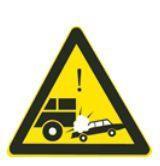
A. Right
B. Wrong
Answer: B
11. When the motor vehicle installed ABS system applys emergency braking, the driver can depress the brake pedal heavily.
A. Right
B. Wrong
Answer: A
12. Whats the meaning of this sign?
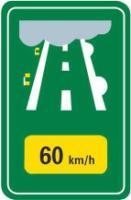
A. recommended speed in unusual weather
B. minimum speed in unusual weather
C. average speed in unusual weather
D. maximum speed in unusual weather
Answer: A
13. Whats the meaning of this sign?
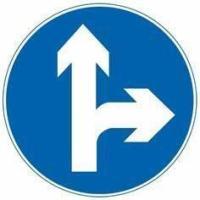
A. going straight and left turn
B. going straight and right turn
C. no going straight and no right turn
D. left turn and right turn only
Answer: B
14. When a vehicle runs on an expressway, the driver may ascertain the speed according to his feeling.
A. Right
B. Wrong
Answer: B
15. The light switch is in this position, front fog lights turn on

A. Right
B. Wrong
Answer: A
16. Whats the meaning of this sign?
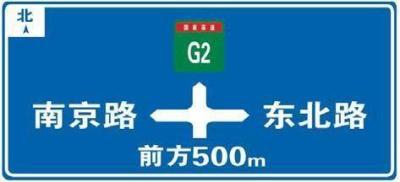
A. lane information indication
B. road branching point ahead
C. place and distance indication
D. intersection ahead
Answer: D
17. It displays that the current temperature of the coolant is 90 degrees.
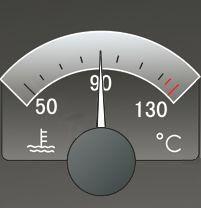
A. Right
B. Wrong
Answer: A
18. When the traffic conditions at an intersection are complicated, the driver should be patiently waiting instead of taking chance.
A. Right
B. Wrong
Answer: A
19. Motorized vehicles should pass the intersections according to the traffic signals.
A. Right
B. Wrong
Answer: A
20. Which is correct if a vehicle breaks down and is difficult to move?
A. turn on the hazard lights
B. turn on all the lights of the vehicle
C. forbid the passengers to get off
D. place a warning sign in front of the vehicle
Answer: A