

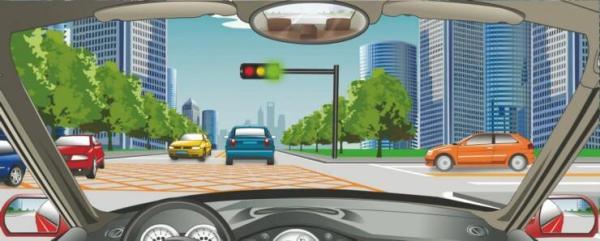
1. In such road sections, you can enter the cross-hatched marking area to wait.
A. Right
B. Wrong
Answer: B
2. Which is correct when changing lane?
A. turn on the directional signal and turn left quickly
B. reduce speed properly when entering the left lane
C. cannot interfere other vehicles
D. speed up to enter the left lane
Answer: C
3. When a vehicle passes a narrow road or bridge, it is prohibited from overtaking.
A. Right
B. Wrong
Answer: A
4. When the motor vehicle installed ABS system brakes, the braking distance will be greatly shortened, so you do not have to keep a safe distance between vehicles.
A. Right
B. Wrong
Answer: B
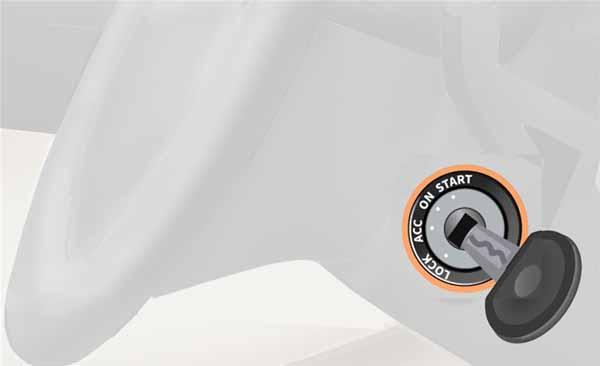
5. Steering wheel will be locked if removing the key while the ignition switch is in the LOCK position.
A. Right
B. Wrong
Answer: A
6. Use the high and low beam lights alternately when passing the crosswalk at night.
A. Right
B. Wrong
Answer: A
7. A driver can park the vehicle by borrowing the sidewalk if he cannot find the parking area.
A. Right
B. Wrong
Answer: B
8. Traffic Police can detain the vehicle according to law if it is suspected of using the label of insurance from other vehicle.
A. Right
B. Wrong
Answer: A
9. What kind of violation does this vehicle on road have?
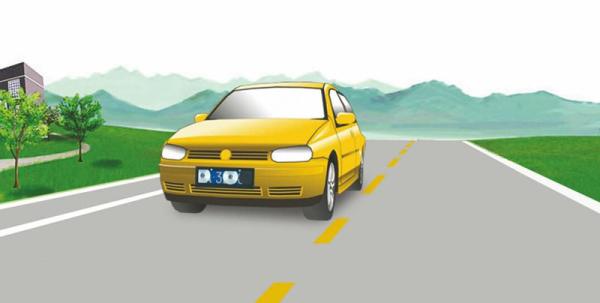
A. not hang the license plate as required
B. deliberately cover the license plate
C. occupy the lane for non-motorized vehicles
D. run in the opposite direction
Answer: B
10. A motorized vehicle is not allowed to stop in the section 50 meters to the intersection.
A. Right
B. Wrong
Answer: A
11. The full mark of Driving Skills, Common Knowledge on Safe and Courteous Driving of the subject 3 test is 100, each of the passing mark is 80 and 90.
A. Right
B. Wrong
Answer: B
12. Whats the meaning of the double yellow solid lines?
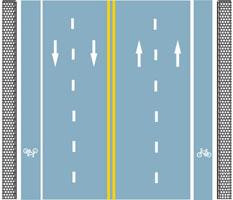
A. opposite direction lanes dividing line that can not be crossed
B. opposite direction lanes dividing line that can be crossed
C. bilateral same direction lanes dividing line that can be crossed
D. one-way lanes dividing line
Answer: A
13. How to run when encountering this situation at the intersection?
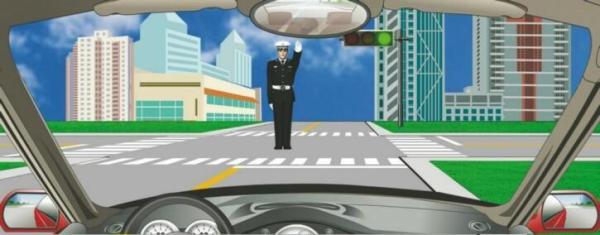
A. stop and wait
B. obey the traffic lights
C. run straight on the right side
D. may turn right
Answer: A
14. No turning right when encountering this traffic light at the intersection.

A. Right
B. Wrong
Answer: B
15. Whats the meaning of this sign?
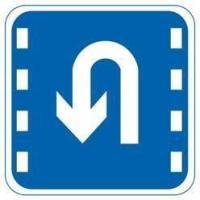
A. U turn lane
B. bypassing lane
C. lanes for going in different directions
D. left-turn lane
Answer: A
16. As the traffic flow at an interchange is generally one-way, the vehicles do not have to reduce speed when passing.
A. Right
B. Wrong
Answer: B
17. Whats the meaning of this sign?
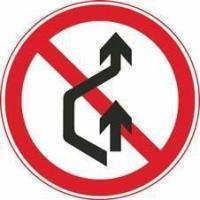
A. no borrowing lane
B. no changing lane
C. no overtaking
D. no U turn
Answer: C
18. Whats the meaning of this sign?
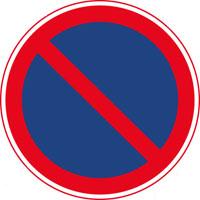
A. no stopping temporarily
B. no long stopping
C. no stopping
D. long stopping is allowed
Answer: B
19. Whats the meaning of this sign?
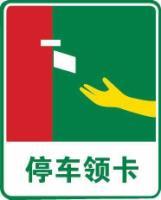
A. stop to get card
B. stop to pay
C. ETC lane
D. stop for inspection
Answer: A
20. This small car can not stop here.
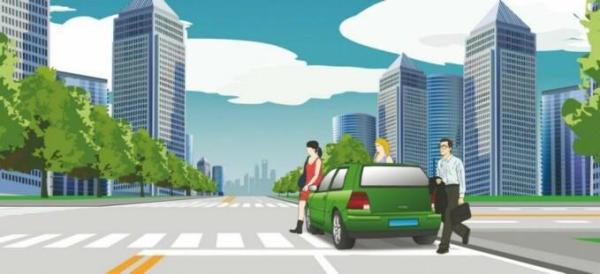
A. Right
B. Wrong
Answer: A