

1. You can drive a motorized vehicle a short distance after drinking as long as it does not interfere the driving operation.
A. Right
B. Wrong
Answer: B
2. This set of the hand signals of the traffic police indicates that the vehicles should ___ .
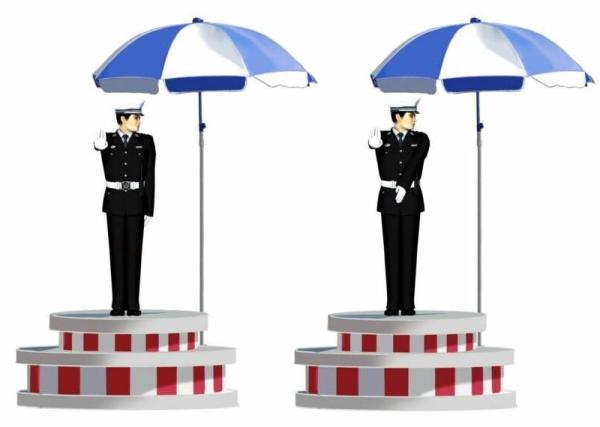
A. wait to turn left
B. pull over
C. reduce speed and pass slowly
D. turn left
Answer: D
3. May directly turn left in front of the vehicle coming opposite when encountering this traffic light.
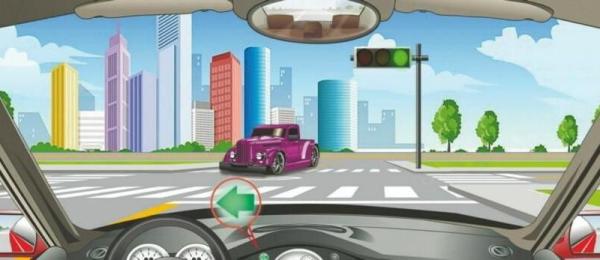
A. Right
B. Wrong
Answer: B
4. It lights to indicate enabling the floor and the front windscreen fan.

A. Right
B. Wrong
Answer: A
5. When overtaking a vehicle stopping on the right side, the driver should ________ in case that vehicle starts up suddenly or opens the door.
A. Speed up and pass
B. Keep honking
C. Maintain the normal speed
D. Keep a safe horizontal distance from that vehicle, reduce speed and pass
Answer: D
6. This sign indicates indoor car park here.
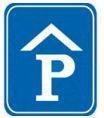
A. Right
B. Wrong
Answer: A
7. When passing through an overflowing road, a high gear should be used to pass rapidly.
A. Right
B. Wrong
Answer: B
8. Speed up when passing the overflowing road.
A. Right
B. Wrong
Answer: B
9. Which kind of vehicle can be driven if the authorized vehicle applied for is small motor vehicle?
A. low-speed truck
B. midsize bus
C. motor tricycle
D. self-propelled wheeled machinery
Answer: A
10. A person who has taken the state-controlled psychiatric substances can drive motorized vehicle in short distance.
A. Right
B. Wrong
Answer: B
11. This sign indicates indoor car park here.
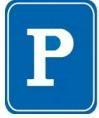
A. Right
B. Wrong
Answer: B
12. Whats the meaning of this sign?

A. landslide section
B. construction section
C. factory ahead
D. jammed road
Answer: B
13. How to do when the vehicle breaks down on road and needs to stop to solve the problem?
A. stop in the middle of the road
B. stop the vehicle where will not interfere the traffic
C. turn on the low beam lights or fog lights
D. stop on the spot to solve the problem
Answer: B
14. This sign reminds the lane or the road narrows on the left side ahead.
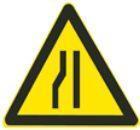
A. Right
B. Wrong
Answer: A
15. When a vehicle stops temporarily in a rainy day, the driver should turn on ______.
A. The head and tail fog lights
B. The hazard lights
C. The high beam light
D. The reverse light
Answer: B
16. If a motorized vehicle driver has caused a major traffic accident in violation of the traffic regulations which has caused human death due to his escaping, the driver is subject to a prison term of 3 years ~ 7 years.
A. Right
B. Wrong
Answer: B
17. When driving a vehicle on the road, the driver should drive safely at the prescribed speed.
A. Right
B. Wrong
Answer: A
18. Whats the meaning of the white broken lines area on the far left side?
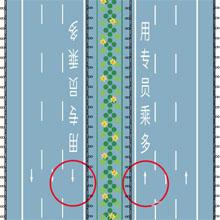
A. special lane for multi-passenger vehicles
B. special lane for small buses
C. special lane for taxis with no passenger
D. special lane for large buses
Answer: A
19. What is the time limit of deferred license checking due to military service, abroad and other reasons?
A. 3 years
B. 5 years
C. 1 years
D. 2 years
Answer: A
20. The validity of the driving license is divided into 6-year, 10-year and 20-year.
A. Right
B. Wrong
Answer: B