

1. It lights to indicate that the generator is charging to the batteries.

A. Right
B. Wrong
Answer: B
2. This sign indicates indoor car park here.
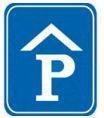
A. Right
B. Wrong
Answer: A
3. What is the max speed on this highway?

A. 70km/hr
B. 50km/hr
C. 40km/hr
D. 30km/hr
Answer: C
4. Which kind of sign is it?
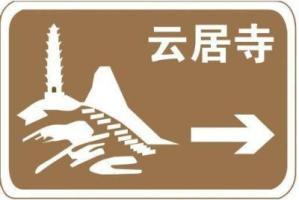
A. tourist zone sign
B. work area sign
C. notification signs
D. expressway sign
Answer: A
5. What is the max speed on this city road?
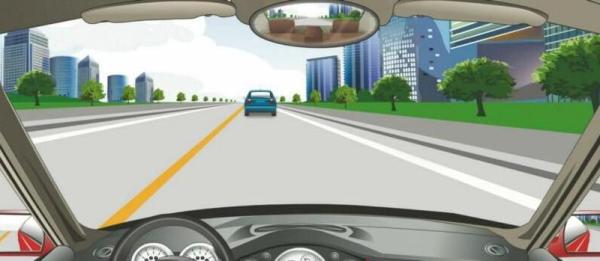
A. 30km/hr
B. 40km/hr
C. 50km/hr
D. 70km/hr
Answer: C
6. Change driving license before of expiration.
A. 60 days
B. 30 days
C. 90 days
D. 6 months
Answer: C
7. When driving slowly in a congested road, the driver should ________ if another vehicle forcefully cuts in.
A. Honk to warn it against cutting in
B. Speed up to closely follow the vehicle in front and refuse to allow it to cut in
C. Squeeze the cutting-in vehicle to force it to leave
D. Voluntarily yield to ensure safe driving
Answer: D
8. When driving a vehicle through an inundated road with pedestrians on both sides, the driver should ________.
A. Speed up and pass
B. Go forward normally
C. Continuously honk
D. Reduce speed and go slowly
Answer: D
9. It flashes when breaking down.

A. Right
B. Wrong
Answer: B
10. Displays the current speed is 20 km / h
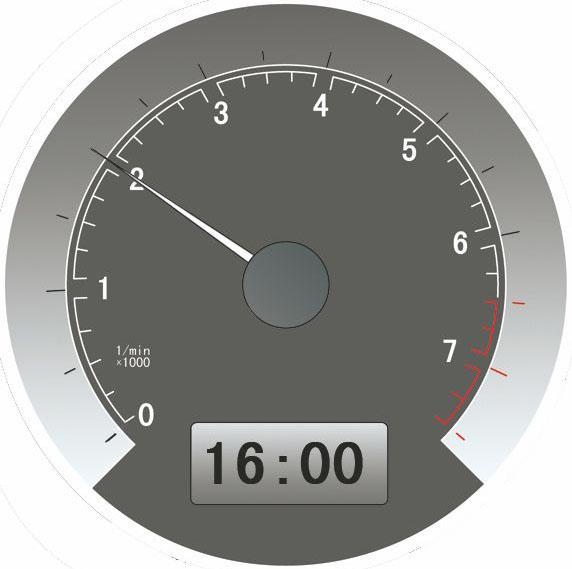
A. Right
B. Wrong
Answer: B
11. This motorized vehicle parked on the roadside has no illegal act.
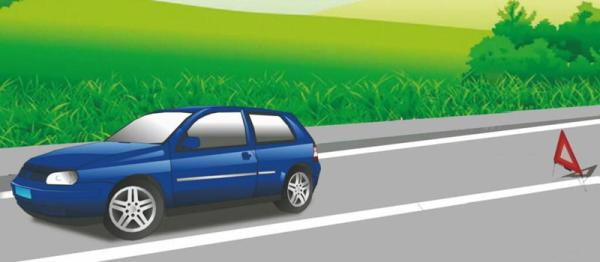
A. Right
B. Wrong
Answer: B
12. Turn on the right-turn signal and return immediately to the original lane afterovertaking.
A. Right
B. Wrong
Answer: B
13. Driving a motorized vehicle on the road in this condition, the maximum speed can not exceed 50 kilometers per hour.
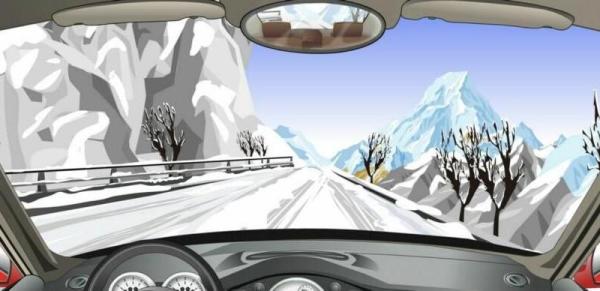
A. Right
B. Wrong
Answer: B
14. A driver may drive a motorized vehicle after the driving license has been lost within 3 months.
A. Right
B. Wrong
Answer: B
15. In which section cannot overtake?
A. main streets
B. elevated road
C. crosswalk
D. ring express
Answer: C
16. A vehicle is not allowed to make a U turn on the ramp of an expressway.
A. Right
B. Wrong
Answer: A
17. When driving a small vehicle downhill, the driver may coast down by stopping the engine.
A. Right
B. Wrong
Answer: B
18. Whats the meaning of this sign?
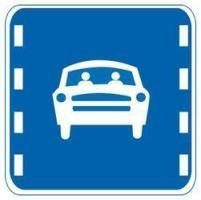
A. special lane for small vehicles
B. special lane for motorized vehicles
C. special lane for taxis
D. special lane for multi-passenger vehicles
Answer: D
19. When a motorized vehicle stops temporarily at the roadside, the driver ________.
A. Is not allowed to stop in the opposite direction or in parallel
B. May stop anyway he likes as long as it is convenient for him to get out
C. May stop the vehicle in the opposite direction
D. May stop the vehicle in parallel
Answer: A
20. Traffic markings are divided into indication, warning and prohibition.
A. Right
B. Wrong
Answer: A