

1. In which section when a vehicle runs is prohibited from overtaking.
A. elevated road
B. intersection
C. central streets
D. ring express
Answer: B
2. Must reduce the frequency of honking in this section.

A. Right
B. Wrong
Answer: B
3. Use the high and low beam lights alternately when passing the crosswalk at night.
A. Right
B. Wrong
Answer: A
4. If a person who has caused a major traffic accident and if his act constitutes a crime, he may not be held for criminal liabilities.
A. Right
B. Wrong
Answer: B
5. When encountering a vehicle in the opposite direction forcing its way by using his lane, the driver should __________.
A. Force the other side to drive by the right side
B. Use the high beam light to warn the other side
C. Voluntarily yield to the other side
D. Go ahead by the center of the road
Answer: C
6. Which kind of vehicle can be driven if the authorized vehicle applied for is small motor vehicle?
A. low-speed truck
B. midsize bus
C. motor tricycle
D. self-propelled wheeled machinery
Answer: A
7. If a vehicle may encounter a vehicle coming in the opposite direction in the course of overtaking, the driver should speed up in advance and overtake.
A. Right
B. Wrong
Answer: B
8. Whats the meaning of the white rectangle marking?
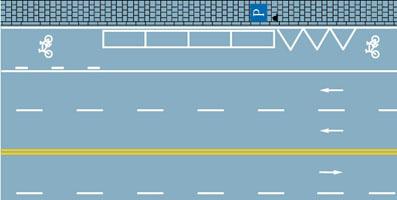
A. special space for taxicabs to take and drop passengers
B. horizontal parking space
C. inclined parking space
D. vertical parking space
Answer: B
9. When a vehicle passes a sharp curve, it may overtake if traffic is light.
A. Right
B. Wrong
Answer: B
10. Whats the meaning of this sign?
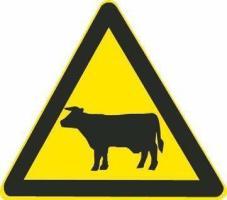
A. watch for animals
B. watch for wildlife
C. Wildlife Sanctuary
D. Large-scale farms
Answer: A
11. Whats the meaning of this sign?
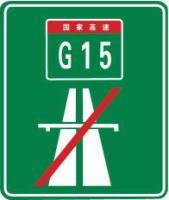
A. expressway exit ahead
B. expressway entry ahead
C. expressway ending ahead
D. expressway beginning ahead
Answer: C
12. When encountering non-motorized vehicles intending to bypass a stopping vehicle, the driver should ________.
A. Honk to indicate them to yield
B. Yield to them
C. Speed up and bypass
D. Follow them closely and honk
Answer: B
13. Whats the meaning of this sign?
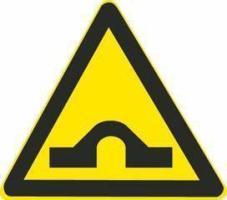
A. hump bridge
B. high outburst road
C. low-lying road
D. bump road
Answer: A
14. It lights when ABS is open.

A. Right
B. Wrong
Answer: B
15. What is the max speed on the expressway when the visibility is lower than 200m?
A. less than 100km/hr
B. less than 90km/hr
C. less than 60km/hr
D. less than 80km/hr
Answer: C
16. When a following vehicle gives the overtaking signal, the driver should ________ if conditions permit.
A. Move to the right side and speed up
B. Voluntarily reduce speed and drive along the right side
C. Yield a proper space and speed up
D. Reduce speed rapidly or apply an emergency braking
Answer: B
17. The act of this small passenger vehicle to enter the expressway lane is correct.
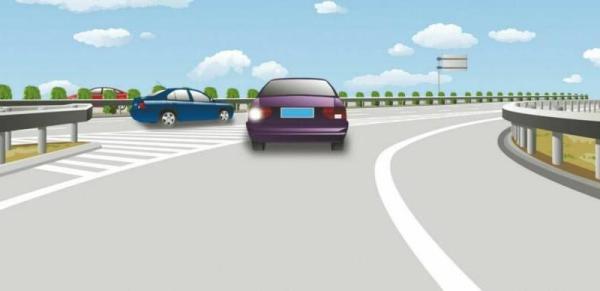
A. Right
B. Wrong
Answer: B
18. You have the priviledged passing right of way at the intersection in this situation.
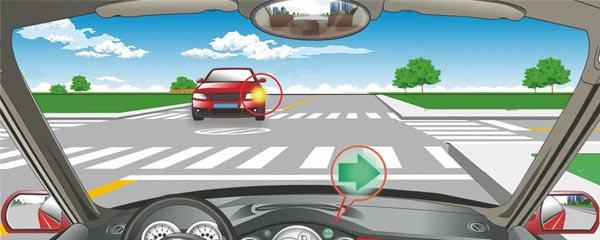
A. Right
B. Wrong
Answer: B
19. In which situation the traffic police may detain the vehicle?
A. no lable of inspection
B. no ID card
C. no lable of environmental protection
D. no vehicle registration papers
Answer: A
20. How long is the period of probation of a motor vehicle driver who has applied for a driver license for the first time?
A. 18 months
B. 16 months
C. 12 months
D. 6 months
Answer: C