

1. What is the max speed when in or out of the lane for non-motorized vehicles?
A. 40km/hr
B. 50km/hr
C. 60km/hr
D. 30km/hr
Answer: D
2. Going though the intersection according to the traffic lights when traffic lights and command of the traffic police are inconsistency.
A. Right
B. Wrong
Answer: B
3. The motorized vehicle driver is not allowed to drive a motorized vehicle when his driving license is detained.
A. Right
B. Wrong
Answer: A
4. Whats the meaning of this guide arrow?

A. no passing
B. driving lane
C. merging
D. going straight
Answer: D
5. If a motorized vehicle driver has caused a major traffic accident in violation of the traffic regulations which has caused human death due to his escaping, the driver is subject to a prison term of _________.
A. less than 2 years
B. less than 3 years
C. less than 7 years
D. more than 7 years
Answer: D
6. The braking system may malfunction if it lights.

A. Right
B. Wrong
Answer: A
7. A person whose driving license has been destroyed cannot drive a motorized vehicle.
A. Right
B. Wrong
Answer: A
8. After starting the engine, it lights to indicate that ______

A. fuel pump abnormal or malfunction
B. ignition system malfunction
C. fuel supply system is abnormal
D. fuel in tank reaches the minimum level
Answer: D
9. What is the Minimum speed on this expressway?
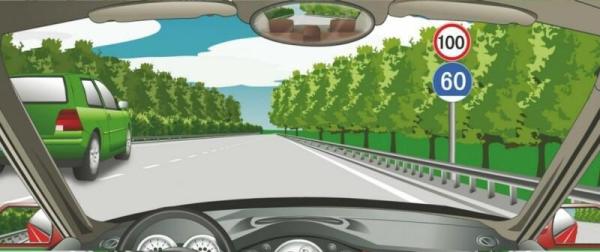
A. 100km/hr
B. 80km/hr
C. 60km/hr
D. 50km/hr
Answer: C
10. Whats the meaning of this sign?
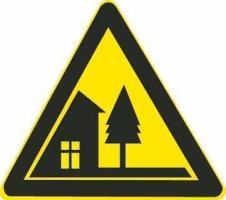
A. watch for pedestrians
B. crosswalk
C. village or town
D. primary school
Answer: C
11. This sign indicates indoor car park here.
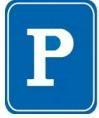
A. Right
B. Wrong
Answer: B
12. Driving a motorized vehicle on the expressway is not allowed to exceed the marked maximum speed.
A. Right
B. Wrong
Answer: A
13. A motorized vehicle is not allowed to stop in the section 50 meters to the intersection.
A. Right
B. Wrong
Answer: A
14. This sign indicates ______
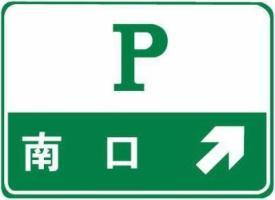
A. expressway service area ahead
B. expressway shelter ahead
C. expressway bus station ahead
D. expressway parking area ahead
Answer: D
15. ABS system can maximize the braking efficiency when conducting _______
A. braking intermittently
B. braking continuously
C. applying emergency braking
D. gently depressing the brake pedal
Answer: C
16. Whats the meaning of this sign?
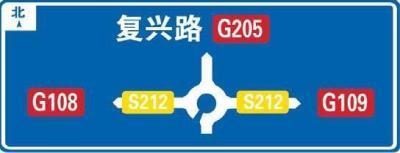
A. intersection ahead
B. interchange ahead
C. Y-shaped intersection ahead
D. ring intersection ahead
Answer: D
17. You can make an U turn at this intersection.
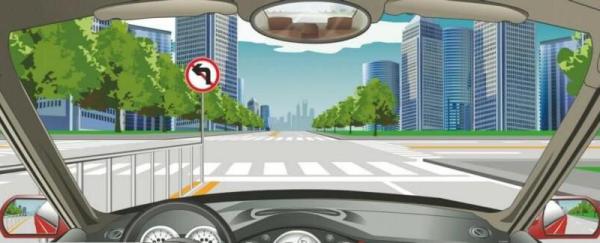
A. Right
B. Wrong
Answer: B
18. This set of the hand signals of the traffic police indicates that the vehicles should ____ .
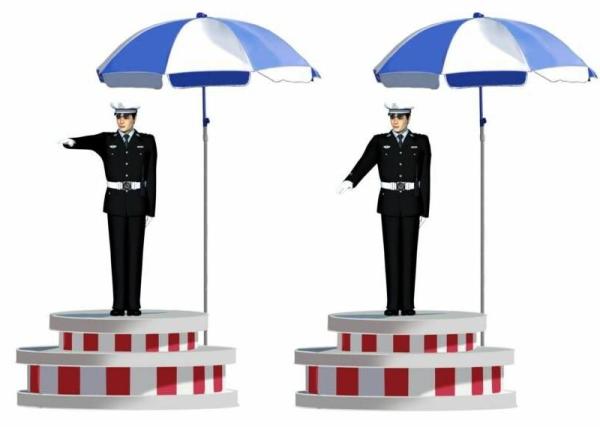
A. turn right
B. change lane
C. reduce speed and pass slowly
D. pull over
Answer: C
19. When running on an expressway, the driver should ____ if he has missed the exit.
A. Reverse to the original place
B. Continue to go ahead and find the next exit
C. Immediately stop
D. Make a U turn from where he is
Answer: B
20. How to do when encountering slow-moving vehicles in front?
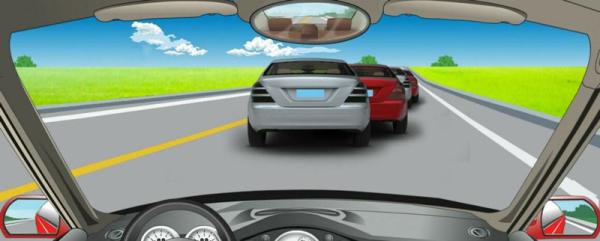
A. follow the vehicles in front
B. occupy the opposite lane to overtake
C. borrow the lane from right side to overtake
D. overtake from both sides as will
Answer: A