

1. Whats the meaning of this sign?
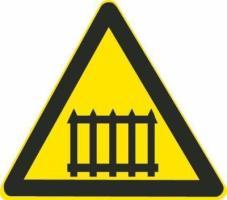
A. a manned level crossing
B. multi-crossing of railway and road
C. grade separation level crossing
D. an unmanned level crossing
Answer: A
2. A driver applies for the driving license for the first time and is during the period of probation, he can drive a motorized vehicle on expressway alone.
A. Right
B. Wrong
Answer: B
3. When driving a vehicle on the road, the driver should drive safely at the prescribed speed.
A. Right
B. Wrong
Answer: A
4. When driving in thick fog causing poor visibility on the expressway, the driver should apply emergency braking to stop at once.
A. Right
B. Wrong
Answer: B
5. Whats the meaning of the yellow solid line on the curbstone?
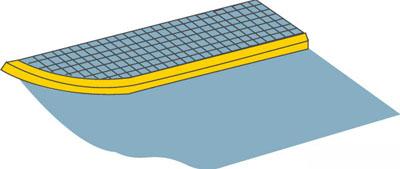
A. only for taking and dropping people
B. only for loading and unloading cargos
C. no long stopping
D. no parking
Answer: D
6. What marking is the white solid lines in the circle?

A. guide lanes lines
B. variable guide lanes lines
C. direction guide lines
D. one-way driving lines
Answer: A
7. Traffic Police can detain the vehicle according to law if it is suspected of using the label of inspection from other vehicle.
A. Right
B. Wrong
Answer: A
8. When a vehicle passes a bumped road, the driver should ________.
A. Speed up and dash over under inertia
B. Change to the neutral gear and slide over
C. Maintain the original speed and pass
D. Pass slowly and steadily
Answer: D
9. When driving a motor vehicle after drinking, a prison term of more than 3 years will be imposed.
A. Right
B. Wrong
Answer: B
10. When running on an expressway, the driver should ____ if he has missed the exit.
A. Reverse to the original place
B. Continue to go ahead and find the next exit
C. Immediately stop
D. Make a U turn from where he is
Answer: B
11. Which kind of vehicle can be applied for when initially applying for the driving license?
A. midsize bus
B. large bus
C. ordinary motor tricycle
D. trailer
Answer: C
12. Reduce speed or stop to look before the stop line when encountering this traffic light at the intersection.
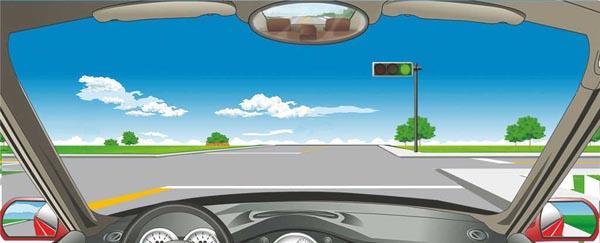
A. Right
B. Wrong
Answer: B
13. A motorized vehicle driver who reverses, drives in the opposite direction or make a U turn by crossing the central dividing strip on the expressway is subject to a 6-point penalty.
A. Right
B. Wrong
Answer: B
14. What is this manipulation device?
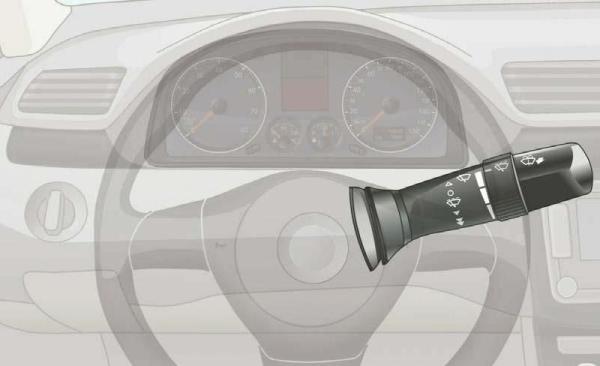
A. switch of windscreen wiper
B. switch of the head lights
C. switch of the turn signal
D. switch of defogger
Answer: A
15. What should the driver do when encountering a vehicle from the opposite direction on a road without a central line?
A. driving closely by the roadside
B. driving by the central of the road
C. reducing speed and driving by right side
D. run by using the lane for non-motorized vehicles
Answer: C
16. When a motorized vehicle driving license is lost or destroyed to be unrecognizable, the driver should apply to the issuing vehicle management station for a reissue.
A. Right
B. Wrong
Answer: A
17. Whats the meaning of the yellow marking on the road?
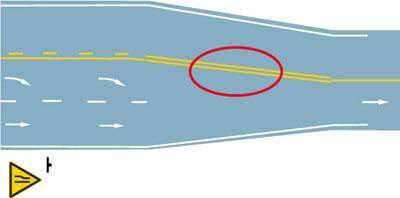
A. gradual road width
B. more carriageways
C. closing to obstacle
D. construction section indication
Answer: A
18. Whats the meaning of these white rectangle markings?

A. long time parking
B. time limited parking
C. free parking
D. special parking
Answer: B
19. How to pass when encountering this situation at the intersection?
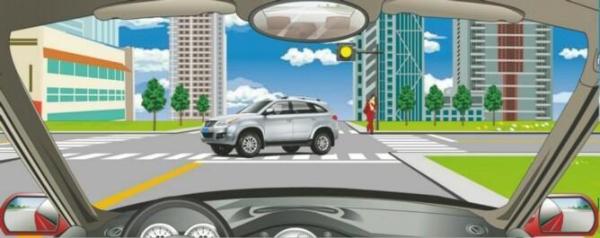
A. make sure it is safe to pass
B. turn right and speed up to pass
C. speed up and pass straight
D. turn left and speed up to pass
Answer: A
20. It lights to indicate that engine oil may be insufficient.

A. Right
B. Wrong
Answer: A