

1. What should the driver do to follow other motor vehicles on a mountain road?
A. Closely follow the vehicle in front
B. Increase the safety distance
C. Reduce the vertical distance between vehicles
D. Try to overtake the vehicle in front as soon as possible
Answer: B
2. You can make an U turn at this intersection.
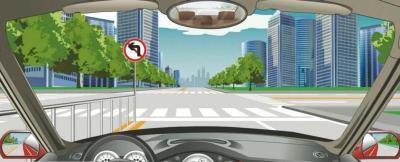
A. Right
B. Wrong
Answer: B
3. What is the meaning of this sign?
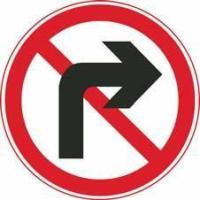
A. No entering the intersection
B. No right turn
C. No changing lane
D. No U turn
Answer: B
4. Under such circumstances, motor vehicle drivers should slow down and yield

A. Right
B. Wrong
Answer: A
5. What is the meaning of this sign?
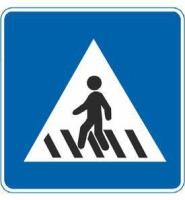
A. Crosswalk
B. Students?ˉ passage
C. Watch for pedestrians
D. Children?ˉs passage
Answer: A
6. It is not a bad habit for a driver to frequently change lanes.
A. Right
B. Wrong
Answer: B
7. What is the meaning of this sign?

A. Road narrows on both sides
B. Road narrows on the right side
C. Road narrows on the left side
D. Bridge narrows
Answer: A
8. What is the meaning of this sign?
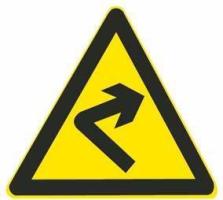
A. Sharp right curve
B. Bypass from right side
C. Continuous curves
D. Sharp left curve
Answer: A
9. What should the driver pay attention to when the motor vehicle passes a school?
A. Observe the traffic signs and markings
B. Slow down and pass slowly
C. Prohibited from sounding the horn
D. Pass rapidly
Answer: ABC
10. How to follow a motor vehicle safely on the road?
A. Observe the front vehicle conditions
B. Drive on the left side of the road as far as possible
C. Be ready to slow down at any time
D. Keep a safe distance
Answer: ACD
11. After setting off from the roadside, motor vehicle drivers should speed up as soon as possible and make a sharp left-turn in order to drive into the normal lane.
A. Right
B. Wrong
Answer: B
12. A motorcycle is not permitted to tow other vehicles or to be towed by other vehicles.
A. Right
B. Wrong
Answer: A
13. If a driver finds there is no vehicle behind, he/she may change lanes without turning on the indicator.
A. Right
B. Wrong
Answer: B
14. When putting out a fire disaster that gives out erosive steam or poisonous gas, the firefighters should wear gas masks and other related protective articles and should operate from the windward side.
A. Right
B. Wrong
Answer: A
15. Under such circumstances, what should be done by motor vehicle drivers in order to yield to the pedestrians politely?
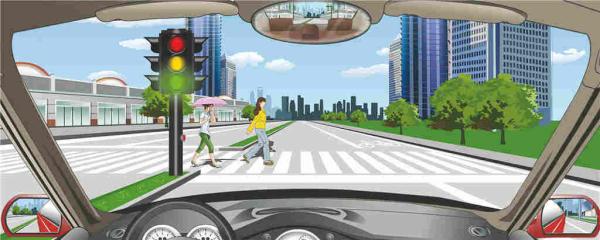
A. Set off after pedestrians pass
B. Set off and bypass in front of the pedestrians
C. Sound the horn to warn the pedestrians to yield
D. Set off and approach the pedestrians slowly
Answer: A
16. The wrong measure to use the brake of a motorcycle is to __________.
A. Simultaneously use the front and back brakes
B. Use the front brake first
C. Use the back brake first
D. Avoid using the front brake too early
Answer: B
17. When there is bleeding at the bone fracture of a wounded person, the first thing to do is to fix the wounded part in position, then stop the bleeding and dress the wound.
A. Right
B. Wrong
Answer: B
18. When rescuing the persons who are losing blood, it is necessary to ______ first.
A. Observe
B. Dress the wounds
C. Stop bleeding
D. Inquire
Answer: C
19. The drivers, loaders and supercargoes responsible for dangerous chemicals transportation should all full understand the chemical characteristics, potential risks, features of the packaging containers and emergency measures for any unexpected accidents.
A. Right
B. Wrong
Answer: A
20. When a motorcycle reaches a muddy or burst-and-muddy section, the driver should stop, observe and select the level and solid section or the section with vehicle tracks.
A. Right
B. Wrong
Answer: A