

1. Whats the meaning of this sign?
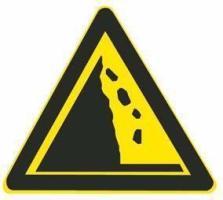
A. dangerous hillside road
B. cliff section
C. watch for dropping stone
D. dangerous section
Answer: C
2. What dangerous acts cant the driver conduct when driving downhill?
A. slide the vehicle in the neutral gear
B. driving in lower gear
C. braking to reduce speed
D. changing to the lower gear in advance
Answer: A
3. What is this traffic sign?
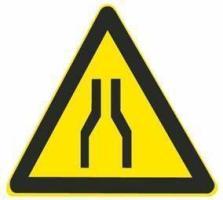
A. Road narrows on both sides
B. Road narrows on the right side
C. Road narrows on the left side
D. Bridge narrows
Answer: A
4. When passing an unmanned level crossing, the driver should ________.
A. Speed up and pass
B. Reduce speed and pass
C. Maintain the speed and pass
D. Stop, look and pass
Answer: D
5. This sign indicates running slowly or stopping to let the vehicle on main road go first.
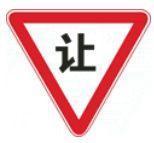
A. Right
B. Wrong
Answer: A
6. What kind of violation does the vehicle have while temporarily stopping by the roadside?
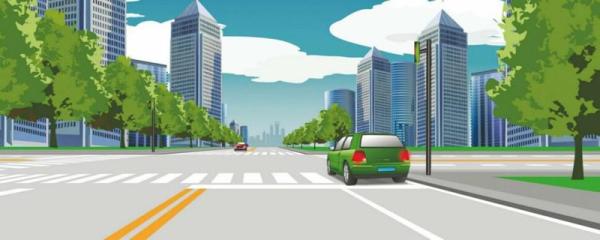
A. stop in the crosswalk
B. stop more than 30cm from the roadside
C. stop in the section with no stopping marking
D. stop occupying the lane for non-motorized vehicles
Answer: A
7. Motorized vehicles should pass the intersections according to the traffic signals.
A. Right
B. Wrong
Answer: A
8. This sign reminds the width of the bridge narrows ahead.
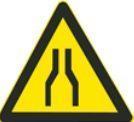
A. Right
B. Wrong
Answer: B
9. What is the max speed on this expressway?

A. 110km/hr
B. 120km/hr
C. 90km/hr
D. 100km/hr
Answer: A
10. It lights to indicate that luggage compartment is open.

A. Right
B. Wrong
Answer: B
11. After a vehicle enters the ramp, the driver should swiftly increase the speed to more than 60 kilometers per hour.
A. Right
B. Wrong
Answer: B
12. Whats the meaning of this sign?
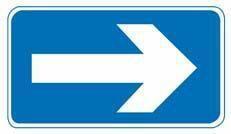
A. left one-way road
B. right one-way road
C. straight one-way road
D. yield if going to turn right
Answer: B
13. Whats the meaning of this guide arrow?
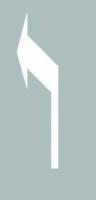
A. changing to left lane
B. going straight ahead
C. left turn ahead
D. right turn ahead
Answer: C
14. When a vehicle overtakes the bike riders going in the same direction, the rational way to deal with is to ________.
A. Continuously honk to remind them to yield
B. Continuously honk and speed up to overtake
C. Yield to the bike riders
D. Observe them, reduce speed and go slowly, while keeping a sufficient safe distance.
Answer: D
15. Which kind of sign is it?
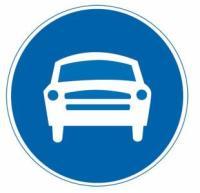
A. warning sign
B. prohibitive sign
C. indicative sign
D. directional sign
Answer: C
16. When a motorized vehicle passes through narrow road or bridge, the maximum speed should not exceed 30 kilometers per hour.
A. Right
B. Wrong
Answer: A
17. How to run on this road?
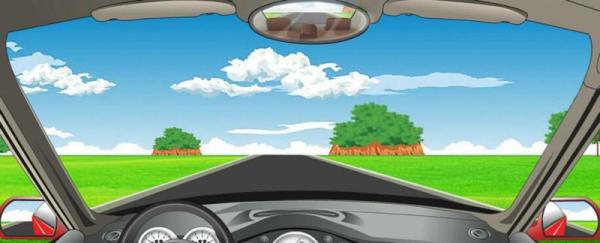
A. run in the middle of the road
B. run on both side of the road
C. run according to lanes
D. go forward at will
Answer: A
18. It lights to indicate that ______

A. air internal circulation
B. air external circulation
C. the front fan works
D. windscreen defroster
Answer: B
19. A motorized vehicle that will turn right at an intersection but has a vehicle in front in the same lane waiting for the green light should ______________.
A. Stop and wait for his turn
B. Honk to indicate the vehicle in front to yield
C. Bypass the vehicle in front from the right side and go through the intersection
D. Bypass the vehicle in front from the left side and go through the intersection
Answer: A
20. Reduce speed or stop to look before the stop line when encountering this traffic light at the intersection.
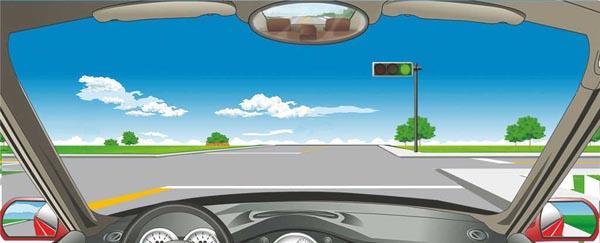
A. Right
B. Wrong
Answer: B