

1. What is this traffic sign?
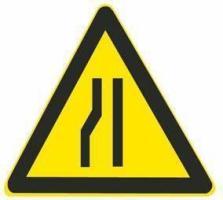
A. Road narrows on both sides
B. Road narrows on the right side
C. Road narrows on the left side
D. Bridge narrows
Answer: C
2. A motorized vehicle driver who drives more than 50% faster than the prescribed speed limit is subject to a 12-point penalty.
A. Right
B. Wrong
Answer: A
3. Whats the meaning of this sign?
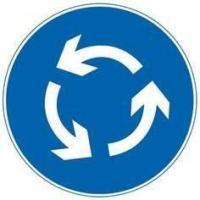
A. passing by the right side
B. passing by the left side
C. running to right side
D. running the roundabout
Answer: D
4. Which behavior a person had in 3 years is not allowed to apply for a motorized vehicle driving license?
A. insulin injections
B. drunken experience
C. smoking addiction
D. drug injections
Answer: D
5. Traffic markings are divided into indication, warning and prohibition.
A. Right
B. Wrong
Answer: A
6. When a vehicle passes a bumped road, the driver should ________.
A. Speed up and dash over under inertia
B. Change to the neutral gear and slide over
C. Maintain the original speed and pass
D. Pass slowly and steadily
Answer: D
7. Whats the meaning of this sign?
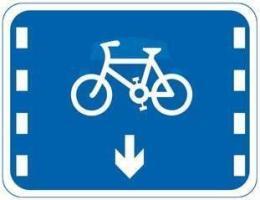
A. no entry for bicycles
B. lane for non-motorized vehicles
C. special lane for bicycles
D. bicycle stopping area
Answer: B
8. If the vehicle license of a motorized vehicle are lost, the vehicle owner should apply to the vehicle management station at the registration place for reissuing.
A. Right
B. Wrong
Answer: A
9. The cycle for recording the accumulated penalty points for violating road traffic regulations is ____________.
A. 14 months
B. 12 months
C. 6 months
D. 10 months
Answer: B
10. When a vehicle passes a tunnel, it is prohibited from overtaking.
A. Right
B. Wrong
Answer: A
11. The double yellow solid lines in the middle of the road are used to separate the traffic flow in opposite directions, crossing the lines to overtake or make a turn is allowed if it is safe.
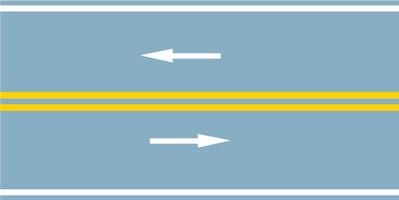
A. Right
B. Wrong
Answer: B
12. If a vehicle enters a left lane for overtaking but is unable to ensure a safe horizontal distance with the normally-running vehicle in front, the driver should ________.
A. Speed up and overtake
B. Overtake after running a distance in parallel
C. Give up overtaking
D. Overtake with care
Answer: C
13. When passing an intersection without traffic lights, the driver should go through as fast as possible.
A. Right
B. Wrong
Answer: B
14. Whats the meaning of this sign?
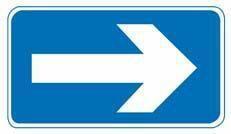
A. left one-way road
B. right one-way road
C. straight one-way road
D. yield if going to turn right
Answer: B
15. When a motorized vehicle breaks down at night, and is difficult to move, the driver should turn on the hazard lights, the contour lights and the tail lights.
A. Right
B. Wrong
Answer: A
16. When discovering a road congestion ahead, the correct way to deal with this situation is to _______.
A. Continue to weave through
B. Find space and overtake one vehicle after another
C. Honk to indicate the vehicle in front to speed up
D. Stop and wait in line
Answer: D
17. When a vehicle runs on a narrow mountain road, the driver should ______ if the party close to the mountain mass refuses to yield.
A. Honk to urge the other party to yield
B. Maintain the normal speed
C. Reduce speed or stop to yield
D. Use the left lane and pass with care
Answer: C
18. Whats the meaning of this guide arrow?
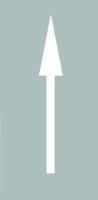
A. no passing
B. driving lane
C. merging
D. going straight
Answer: D
19. When a vehicle starts to move at night, the driver should first turn on the low beam light.
A. Right
B. Wrong
Answer: A
20. It lights to indicate that ______
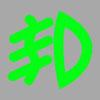
A. the tail fog light is turned on
B. the low beam light is turned on
C. the high beam light is turned on
D. the head fog light is turned on
Answer: D