

1. If a motorized vehicle driver has caused a major accident in violation of the traffic regulations which has caused heavy loss to public or private property, the driver is subject to a prison term of less than 3 years or a criminal detention.
A. Right
B. Wrong
Answer: A
2. Whats the meaning of this sign?
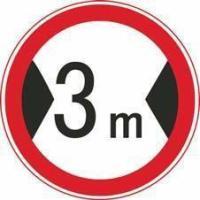
A. 3m width limit ahead
B. 3m width limit
C. the 3m width limit ban is lifted
D. 3m height limit
Answer: B
3. Whats the meaning of this sign?

A. turn left
B. no going straight
C. straight-going lane
D. one-way road
Answer: A
4. Stop the vehicle and observe when reaching the level crossing in this situation.
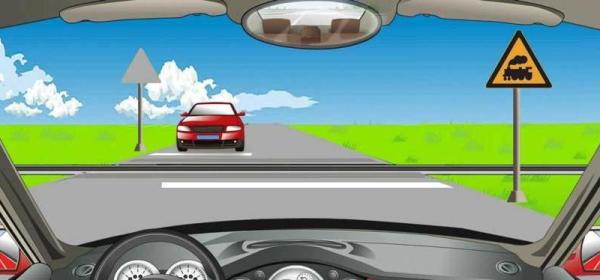
A. Right
B. Wrong
Answer: A
5. Illegally assembled motorized vehicle can be drived on road as long as it is thought to be safe.
A. Right
B. Wrong
Answer: B
6. How to turn right in this intersection?
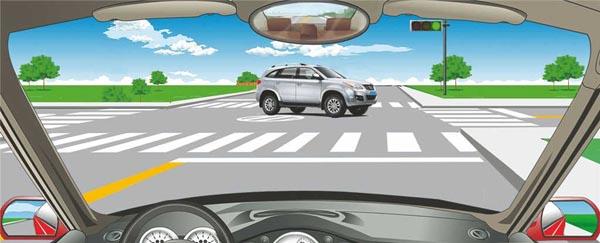
A. turn right directly
B. turn right at the front of the opposite car in advance
C. honk to urge
D. let the opposite car turn left first
Answer: D
7. What marking is the triagle filled area in the circle?
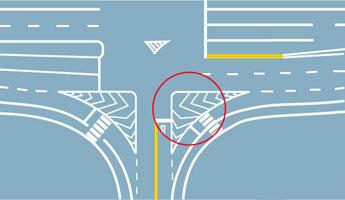
A. stop line
B. deceleration line
C. guide line
D. cross-hatched marking
Answer: C
8. What is this traffic sign?
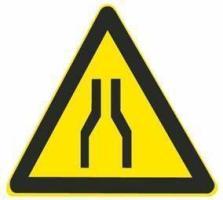
A. Road narrows on both sides
B. Road narrows on the right side
C. Road narrows on the left side
D. Bridge narrows
Answer: A
9. How to run when encountering this situation?
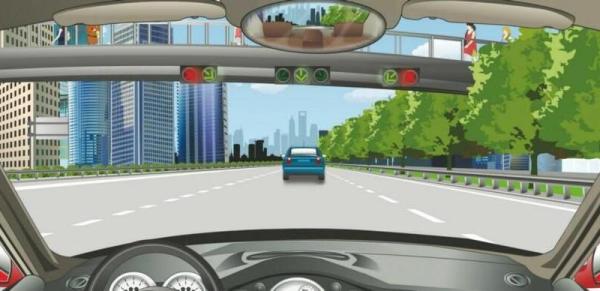
A. speed up to enter the lane of either side
B. enter the right lane
C. reduce speed and enter the lane of either side
D. can not run in the lane of neither side
Answer: D
10. Whats the meaning of this sign?
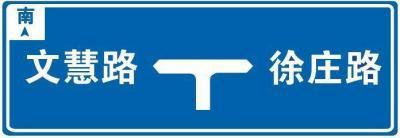
A. T-shaped intersection ahead
B. road branching point ahead
C. Y-shaped intersection ahead
D. intersection ahead
Answer: A
11. Whats the meaning of this sign?
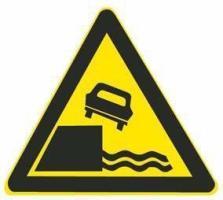
A. embankment road
B. cliffside road
C. waterside road
D. slippery road
Answer: A
12. Cannot make a U turn in this section.
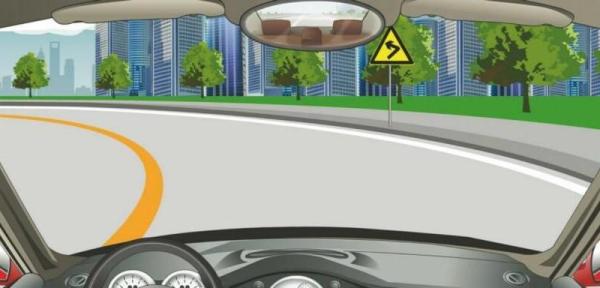
A. Right
B. Wrong
Answer: A
13. Motor vehicle frontal collision, the double protection of the airbag and the safety belts can give full play to the role.
A. Right
B. Wrong
Answer: A
14. Which lane to choose when turning left in this intersection?
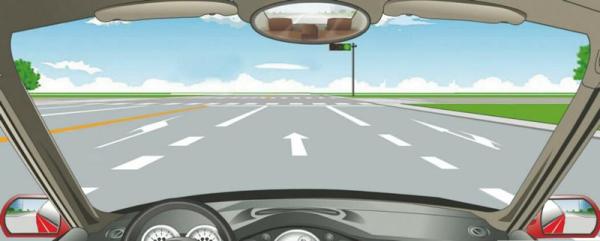
A. the far left lane
B. middle lane
C. not need to change lane
D. the far right lane
Answer: A
15. Whats the meaning of this sign?
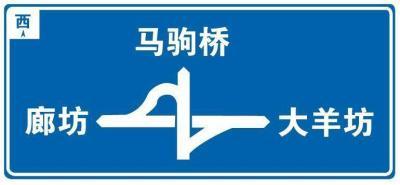
A. intersection ahead
B. interchange ahead
C. Y-shaped intersection ahead
D. ring intersection ahead
Answer: B
16. If a driving license is obtained by deception, bribery or other illegal means, the driving license should be revoked and the applicant is not allowed to re-apply for it _____ .
A. within 3 years
B. the whole life
C. within 1 year
D. within 5 years
Answer: A
17. If a motorized vehicle driver reaches 12 penalty points during the period of probation, the probation qualification should be revoked.
A. Right
B. Wrong
Answer: A
18. This set of the hand signals of the traffic police indicates that the vehicles should ____ .
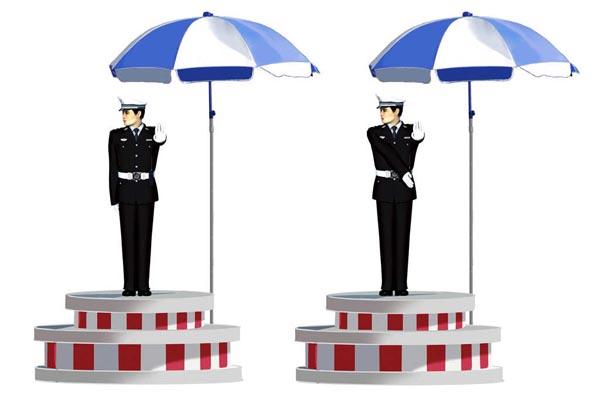
A. reduce speed and pass slowly
B. pull over
C. stop
D. turn right
Answer: D
19. Whats the meaning of this sign?
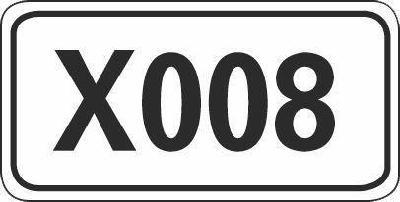
A. provincial highway No.
B. national highway No.
C. county road No.
D. township road No.
Answer: C
20. The passenger in the front seat does not need to buckle up when a motorized vehicle runs.
A. Right
B. Wrong
Answer: B