

1. It lights to indicate that ______

A. not buckled up
B. safety belt malfunction
C. the safety belts are too loose
D. buckled up already
Answer: A
2. Continue to go through if having passed the stop line when encountering this traffic light at the intersection.
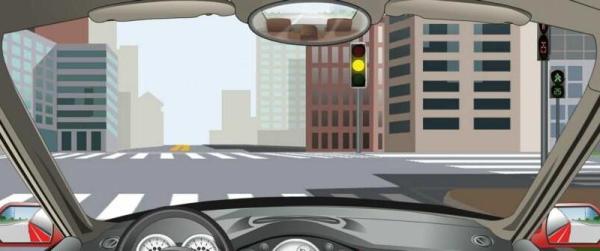
A. Right
B. Wrong
Answer: A
3. What is the max speed on this highway?
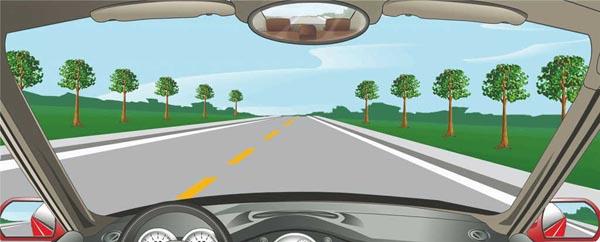
A. 30km/hr
B. 40km/hr
C. 50km/hr
D. 70km/hr
Answer: D
4. You should speed up to go through the railway crossing in this case.
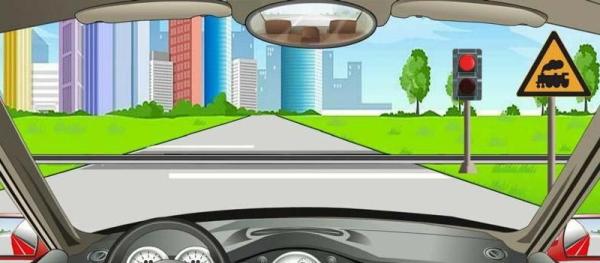
A. Right
B. Wrong
Answer: B
5. When entering an expressway toll gate, the driver should select a gate where _______.
A. There are more vehicles
B. The red light is on
C. The green light is on
D. Service is temporarily suspended
Answer: C
6. The validity of the driving license which is initially applied for is 4 years.
A. Right
B. Wrong
Answer: B
7. When a vehicle running at night encounters a curve ahead, its lighting ____.
A. Leave the road surface
B. Moves from the center of the road to the roadside
C. Does not change its distance
D. Become lower
Answer: B
8. This sign warns the driver there is school area ahead.
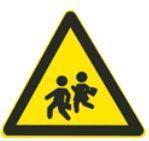
A. Right
B. Wrong
Answer: B
9. When discovering a vehicle behind wanting to overtake while driving, the driver should _______.
A. Maintain the original speed
B. Reduce speed, observe and run by the right side to yield
C. Speed up and go ahead by the right side
D. Not yield
Answer: B
10. What marking is the white polylines in the circle?
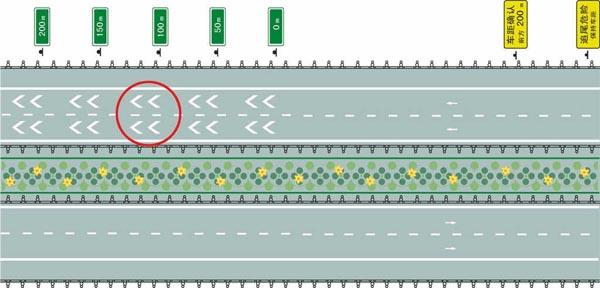
A. ascertaining the distance between the vehicles
B. driving at reduced speed
C. ascertaining the speed of the vehicles
D. reducing the speed at the intersection
Answer: A
11. Whats the meaning of the area between two yellow broken lines in the circle?
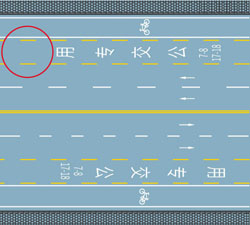
A. special lane for operating buses
B. special lane for large buses
C. special lane for taxis
D. special lane for public buses
Answer: D
12. Violating the law and regulations on road traffic safety is the act of violation of the law.
A. Right
B. Wrong
Answer: A
13. Which of the following vehicle in front in the same lane is not allowed to be overtaken?
A. the vehicle is making a stop
B. the vehicle is reducing speed to yield
C. the vehicle is taking a U turn
D. the vehicle is running normally
Answer: C
14. You can drive a motorized vehicle a short distance after drinking as long as it does not interfere the driving operation.
A. Right
B. Wrong
Answer: B
15. This set of the hand signals of the traffic police indicates that the vehicles should ___ .
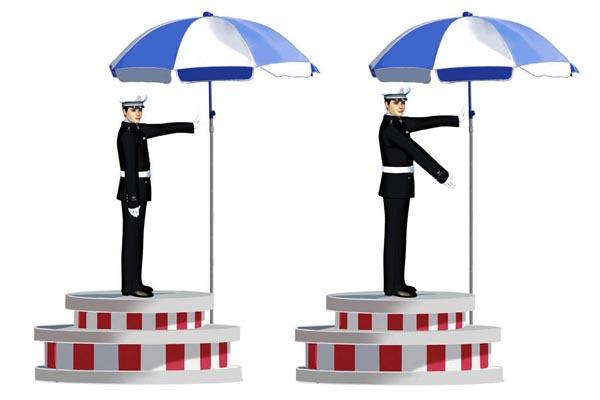
A. wait to turn left
B. pull over
C. turn right
D. reduce speed and pass slowly
Answer: C
16. A motorized vehicle driver who reverses, drives in the opposite direction or make a U turn by crossing the central dividing strip on the expressway is subject to a 6-point penalty.
A. Right
B. Wrong
Answer: B
17. Overtaking is allowed when passing a level crossing in city where no train passes.
A. Right
B. Wrong
Answer: B
18. What does this sign mean?
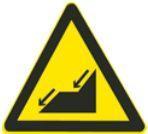
A. Reminding continuous two or more up slopes ahead
B. Reminding the steep uphill road ahead
C. Reminding the steep downhill road ahead
D. Reminding continuous two or more down slopes ahead
Answer: D
19. Whats the meaning of the white horizontal solid line in the circle?
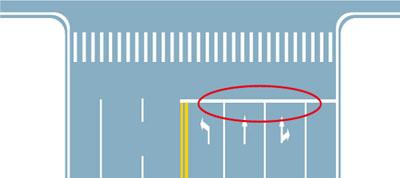
A. turning waiting line
B. deceleration line
C. yielding line
D. stop line
Answer: D
20. The vehicle with ABS system can minimize the braking distance when driving on a road covered by ice and snow.
A. Right
B. Wrong
Answer: B