

1. Traffic markings are divided into indication, warning and prohibition.
A. Right
B. Wrong
Answer: A
2. Top speed in this section is 50 kilometers per hour.

A. Right
B. Wrong
Answer: B
3. No turning right at the intersection ahead.

A. Right
B. Wrong
Answer: B
4. When a vehicle approaches a crosswalk, the driver should ________.
A. Speed up and pass
B. Stop immediately
C. Honk to indicate the pedestrians to yield
D. Observe the movement of pedestrians and non-motorized vehicles, make sure it is safe before passing
Answer: D
5. Whats the meaning of this sign?
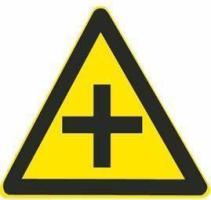
A. intersection
B. ring intersection
C. T-shaped intersection
D. Y-shaped intersection
Answer: A
6. What causes the rear-end collision?
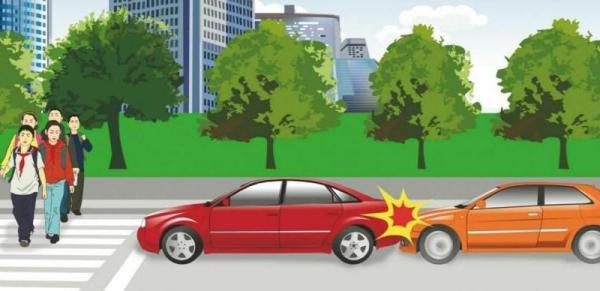
A. not observe through the rear-view mirror while the vehicle in front brakes
B. the vehicle in front brakes suddenly
C. distance from the vehicle in front is too close when the rear vehicle overtakes
D. not maintain a safe distance from the vehicle in front
Answer: D
7. May speed up to go through the crosswalk in this situation.
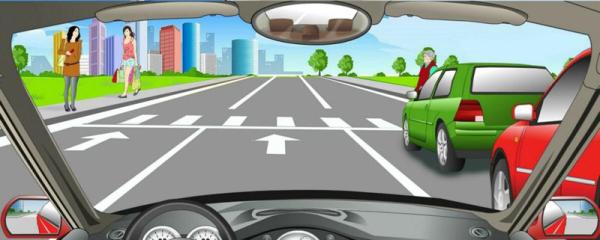
A. Right
B. Wrong
Answer: B
8. Whats the meaning of this sign?
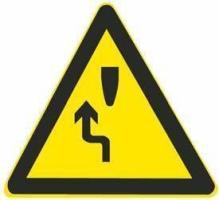
A. watch for danger
B. bypass from right side
C. bypass from left side
D. one-way pass
Answer: C
9. Whats the meaning of this sign?
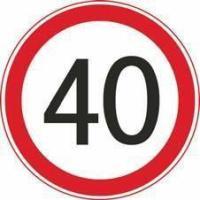
A. reducing speed 40m ahead
B. minimum speed is 40km/hr
C. axle weight limit is 40 tons
D. maximum speed limit is 40km/hr
Answer: D
10. When passing a section of a mountain road which is prone to landside and mudflow, the driver should not stop.
A. Right
B. Wrong
Answer: A
11. Can leave the expressway into the ramp from this location directly.
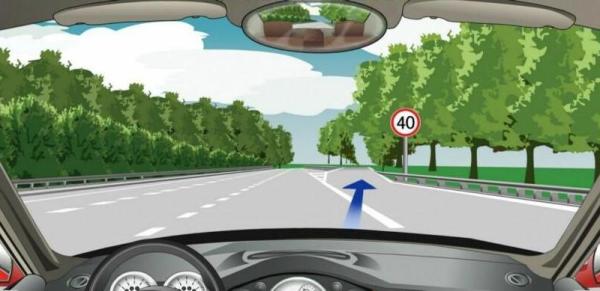
A. Right
B. Wrong
Answer: B
12. Whats the role of the indicative marking?
A. No passing
B. indicate vehicles to pass
C. restrict from passing
D. warn and remind
Answer: B
13. What kind of violation does this broken down vehicle have?
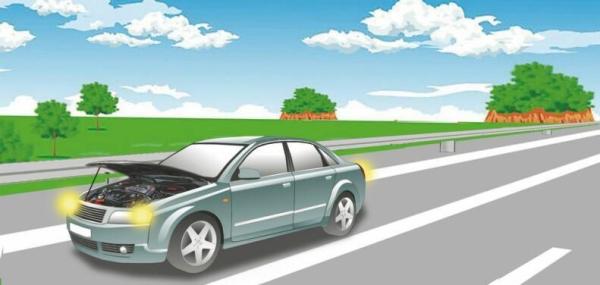
A. not turn on the hazard lights
B. not stop the car by the roadside
C. not solve the problem at once
D. not place the warning sign
Answer: D
14. When driving in thick fog causing poor visibility on the expressway, the driver should apply emergency braking to stop at once.
A. Right
B. Wrong
Answer: B
15. When driving slowly in a congested road, the driver should ________ if another vehicle forcefully cuts in.
A. Honk to warn it against cutting in
B. Speed up to closely follow the vehicle in front and refuse to allow it to cut in
C. Squeeze the cutting-in vehicle to force it to leave
D. Voluntarily yield to ensure safe driving
Answer: D
16. What device does the switch of this symbol control?
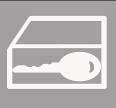
A. window glasses of both sides
B. electric door
C. door unlock
D. child safety lock
Answer: C
17. How to use light in this situation at the intersection?
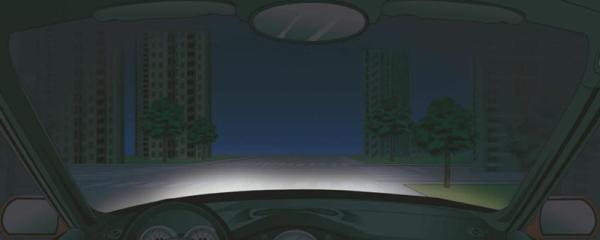
A. turn off high beam lights
B. use hazard lights
C. use the high and low beam lights alternately
D. use high beam lights
Answer: C
18. A vehicle is not allowed to make a U turn on the ramp of an expressway.
A. Right
B. Wrong
Answer: A
19. How to do when the vehicle breaks down on road and needs to stop to solve the problem?
A. stop in the middle of the road
B. stop the vehicle where will not interfere the traffic
C. turn on the low beam lights or fog lights
D. stop on the spot to solve the problem
Answer: B
20. Whats the meaning of this sign?

A. bump road
B. low-lying road
C. high outburst road
D. hump bridge
Answer: B