

1. What should the driver do if he wants to turn right at this intersection?
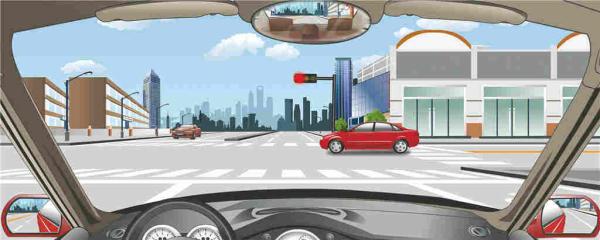
A. Turn right along the straight-going lane
B. Wait behind the stop line
C. Turn right along the right lane
D. Borrow the non-motor vehicle lane and turn right
Answer: C
2. As shown in the flash, the actions of the driver are correct.
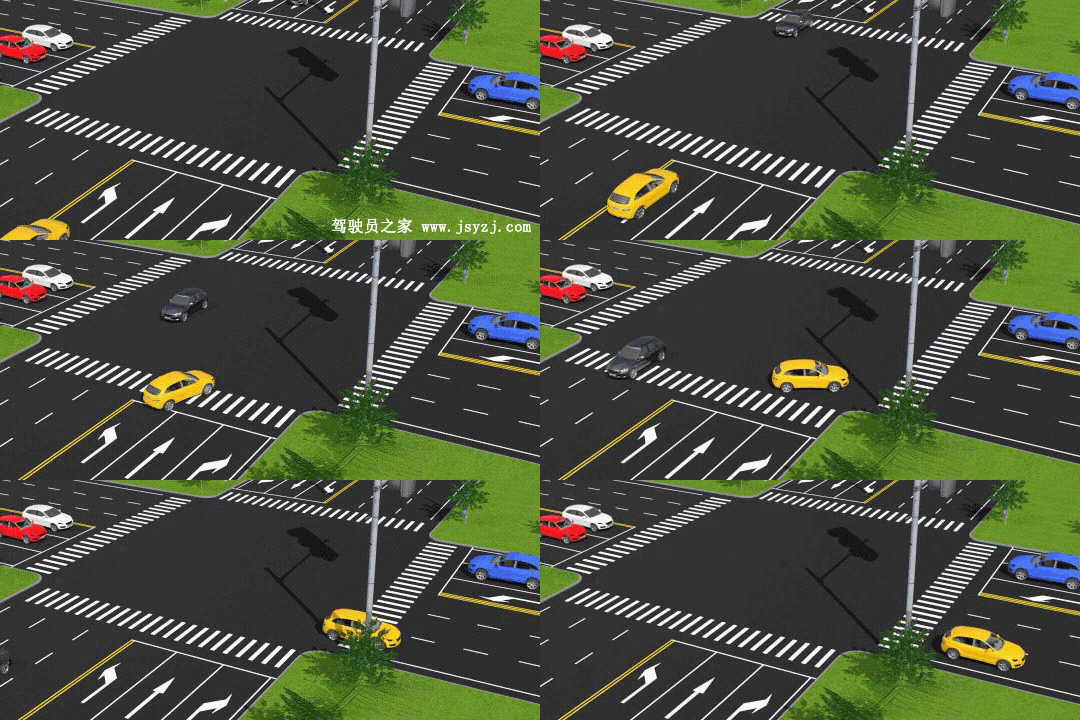
A. Right
B. Wrong
Answer: B
3. The sign on the right indicates that driving along left side only.
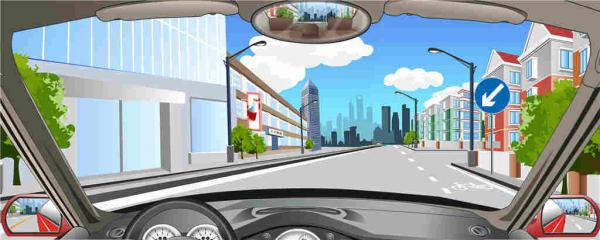
A. Right
B. Wrong
Answer: A
4. When the tire pressure is too low, what will happen if the tire changes its shape in waves and increases in temperature due to fast movement?
A. Unstable tire pressure
B. Even lower tire pressure
C. Driving resistance increases
D. Tire burst
Answer: D
5. A correct measure to avoid tire burst of motor vehicles is to lower the tire pressure.
A. Right
B. Wrong
Answer: B
6. Sideslip happens most easily on which one of the following road surfaces?
A. Dry concrete road
B. Road surface at the beginning of rain
C. Damp concrete road surface
D. Road in heavy rain
Answer: B
7. Dangerous chemicals possess the characteristics of explosion, inflammation, poison, erosion and radiation.
A. Right
B. Wrong
Answer: A
8. When encountering a road like this, motor vehicle drivers should downshift in advance and control speed by braking the engine.
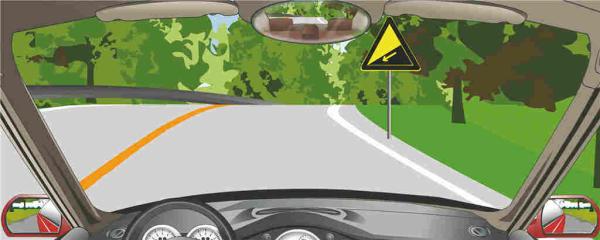
A. Right
B. Wrong
Answer: A
9. The sign on the right warns that there are vehicles converging into the intersection on the right.
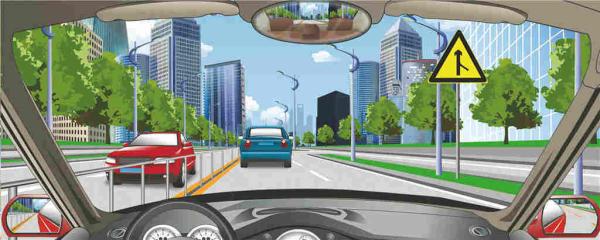
A. Right
B. Wrong
Answer: A
10. When driving in thick or extremely thick fog, what should the driver do due to the low visibility in such weather?
A. Turn on the headlamp and drive slowly
B. Turn on the fog lamp and drive slowly
C. Park in a safe place
D. Drive slowly close to the roadside
Answer: C
11. When there is a braking failure on a downhill road the driver should change the gear to one position or two positions lower, and control the speed by taking advantage of the braking role of the engine.
A. Right
B. Wrong
Answer: A
12. When a motor vehicle falls into water and the side door cannot be opened, which of the following methods is correct for self-rescue?
A. Smash the window glass
B. Close the windows
C. Make calls for help
D. Try to open the door with a tool
Answer: A
13. Before setting off, it is necessary to check the driving cabin, engine cabin, external and tires of the motor vehicle.
A. Right
B. Wrong
Answer: A
14. Under the circumstances shown in the flash, what should be done by the vehicle in front?
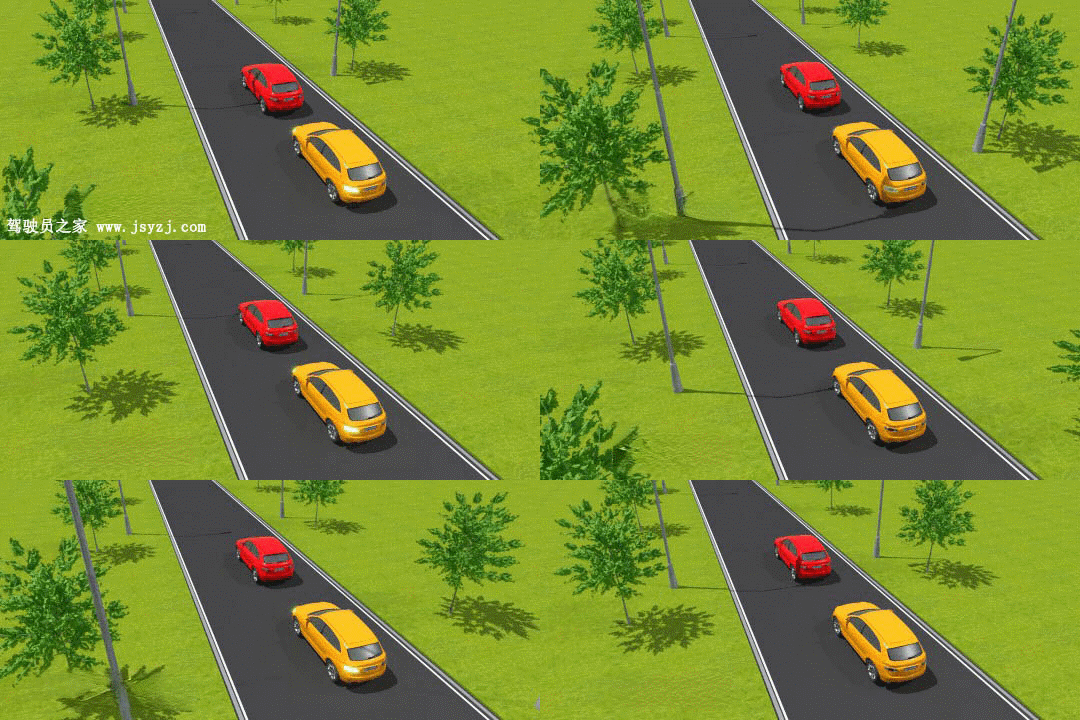
A. Reduce speed swiftly or apply emergency brake
B. Drive at a higher speed after giving a proper space
C. Reduce speed and yield by the right side of the road
D. Drive at a higher speed by the right side of the road
Answer: C
15. The sign on the right warns of a guarded railway intersection ahead.
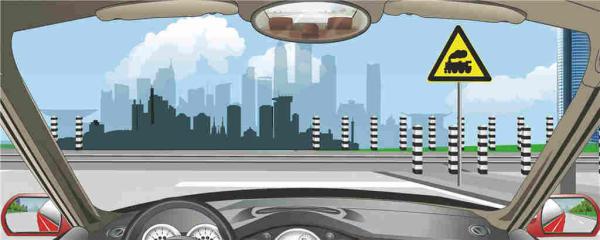
A. Right
B. Wrong
Answer: B
16. Motor vehicles should accelerate when driving into an intersection with this traffic signal.
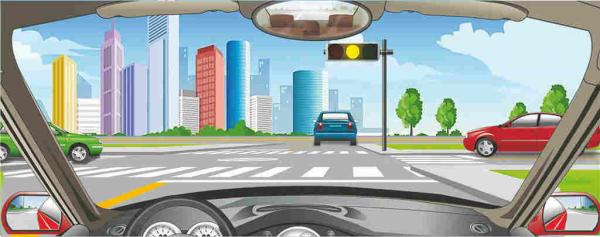
A. Right
B. Wrong
Answer: B
17. When a motor vehicle passes over an inundated road drivers should change to a high gear and pass rapidly.
A. Right
B. Wrong
Answer: B
18. The sign on the right indicates to stop and yield for oncoming vehicles approaching on the road ahead.
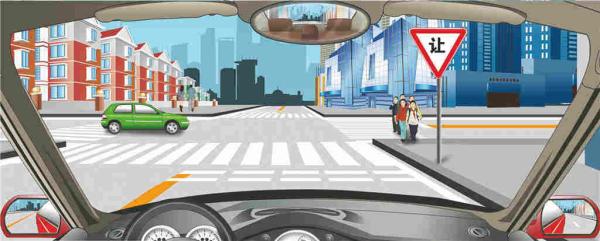
A. Right
B. Wrong
Answer: B
19. The guide arrow on the road surface of this lane indicates that drivers are only permitted to continue straight at the intersection ahead.
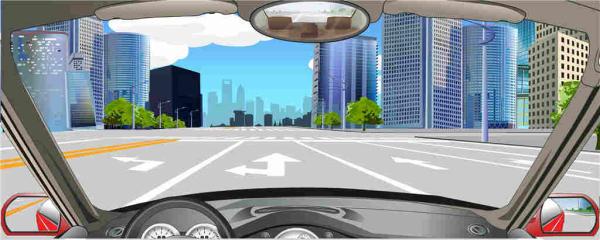
A. Right
B. Wrong
Answer: B
20. When encountering a school bus which stops at the right roadside and students are embarking or disembarking, and there are three motor vehicle lanes in each direction, motor vehicle drivers on the left lane behind the bus should stop and wait.
A. Right
B. Wrong
Answer: B