

1. When causing a road accident involving property damage, the parties to the accident have no dispute over the fact and cause, they should take photos of the scene or mark the vehicles location when they move the vehicles.
A. Right
B. Wrong
Answer: A
2. Whats the meaning of this sign?
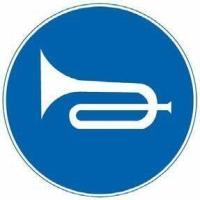
A. no honking the tweeter
B. no honking the woofer
C. should honk
D. no honking
Answer: C
3. It lights to indicate that ______

A. the side fans work
B. air external circulation
C. the front fan works
D. air internal circulation
Answer: C
4. It lights to indicate that ______

A. the tail fog light is turned on
B. the low beam light is turned on
C. the high beam light is turned on
D. the head fog light is turned on
Answer: D
5. Whats the meaning of this sign?
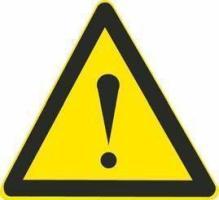
A. reduce speed and go slowly
B. watch for danger
C. jammed section
D. accident-prone section
Answer: B
6. The braking system may malfunction if it lights.

A. Right
B. Wrong
Answer: A
7. This sign warns the driver there is a crosswalk ahead.
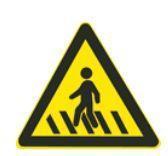
A. Right
B. Wrong
Answer: B
8. This sign reminds embankment road ahead.

A. Right
B. Wrong
Answer: B
9. The motorized vehicle driver who lives outside the jurisdiction of the issuing vehicle management station may apply to the vehicle management station at the place where he is living, for license change.
A. Right
B. Wrong
Answer: A
10. It lights to indicate that the handbrake may not loose in the end.

A. Right
B. Wrong
Answer: B
11. It displays that oil in tank has less than the warning line

A. Right
B. Wrong
Answer: A
12. The main feature of pedestrians participating in road traffic is that _________.
A. They move slowly
B. They like to get together and look on
C. They walk around at will and can easily change directions
D. All the above
Answer: C
13. What does this sign mean?
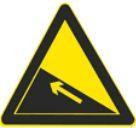
A. Reminding the side of a reservoir, lake or river ahead
B. Reminding the steep uphill road ahead
C. Reminding continuous two or more up slopes ahead
D. Reminding the steep downhill road ahead
Answer: B
14. When passing an unmanned level crossing, the driver should ________.
A. Speed up and pass
B. Reduce speed and pass
C. Maintain the speed and pass
D. Stop, look and pass
Answer: D
15. When a vehicle approaches an intersection without crosswalk, the driver should _______ if he finds people are crossing the street.
A. Reduce speed or stop to yield
B. Honk to indicate them to yield
C. Immediately change lane and bypass the pedestrians
D. Pass before the pedestrians
Answer: A
16. A motorized vehicle driver who reverses, drives in the opposite direction or make a U turn by crossing the central dividing strip on the expressway is subject to a 6-point penalty.
A. Right
B. Wrong
Answer: B
17. How to use lights when pulling over on road?
A. turn on the hazard lights
B. turn on the right-turn signal in advance
C. use the high and low beam lights alternately
D. not need to use any light to indicate
Answer: B
18. How to run on this road?
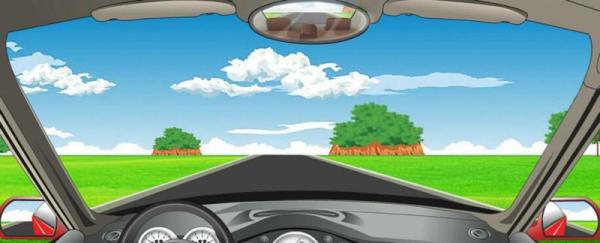
A. run in the middle of the road
B. run on both side of the road
C. run according to lanes
D. go forward at will
Answer: A
19. Whats the meaning of this sign?
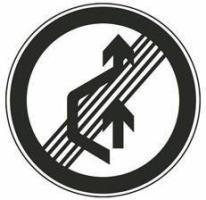
A. overtaking ban is lifted
B. changing lane is allowed
C. changing lane ban is lifted
D. borrowing lane ban is lifted
Answer: A
20. When driving a vehicle on the road, the driver should drive safely at the prescribed speed.
A. Right
B. Wrong
Answer: A