

1. It is illegal to change lanes without turning on indicators.
A. Right
B. Wrong
Answer: A
2. When a fast-moving vehicle encounters an emergency the driver should turn to evade first and then brake to slow down so as to mitigate the damage.
A. Right
B. Wrong
Answer: B
3. What is the meaning of this sign?
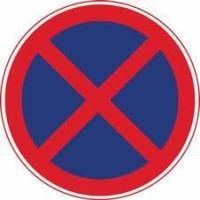
A. Stopping temporarily is allowed
B. Long stopping is allowed
C. No long stopping
D. No stopping
Answer: D
4. When encountering such pedestrians, what should motor vehicle drivers do?
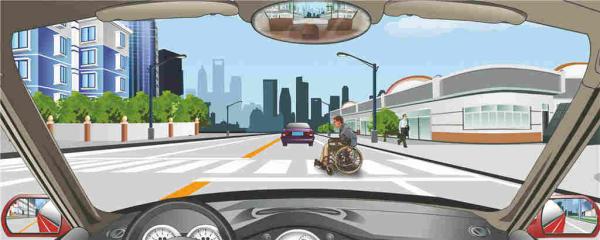
A. Bypass in front of the pedestrians
B. Bypass from behind the pedestrians
C. Sound the horn to alert the pedestrians
D. Voluntarily stop and yield
Answer: D
5. The continuously flashing yellow light is to warn that the driver should look and make sure it is safe to pass.
A. Right
B. Wrong
Answer: A
6. Which one of the following measures is correct when a motor vehicle intends to overtake but the vehicle infront refuses to yield?
A. Use a long-sounding horn
B. Follow the vehicle in front while turning high-beam
C. Wait for it to yield while keeping a safe distance
D. Use high-beam and low-beam alternatively
Answer: C
7. Which is the wrong measure to avoid tire burst?
A. Reduce tire pressure
B. Check tires regularly
C. Remove foreign matters from the tire tread grooves timely
D. Replace tires that have cracks or deep cuts
Answer: A
8. When there is no bondage for rescuing a wounded person, towels, handkerchiefs, bed sheets and stockings can be used for dressing.
A. Right
B. Wrong
Answer: A
9. The wrong method to rescue a poisoned person in a traffic accident is to ______.
A. Bring him to a place where air is fresh
B. Take off clothes that are exposed to toxic air
C. Clean exposed areas with clean water
D. Stay in the original place and wait for the rescue personnel
Answer: D
10. What is the meaning of this sign?
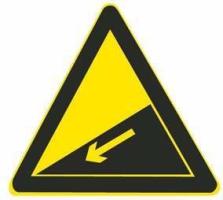
A. Embankment road
B. Steep uphill road
C. Continuous up slopes
D. Steep downhill road
Answer: D
11. When seeing this sign, the driver should reduce speed and observe the road conditions.
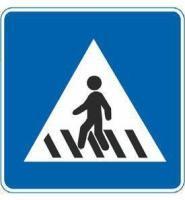
A. Right
B. Wrong
Answer: A
12. People who take a two-wheeled motorcycle should ride it by side way.
A. Right
B. Wrong
Answer: B
13. In which of the following ways can motor vehicles avoid a tire burst?
A. Lowering tire pressure
B. Checking tires regularly
C. Removing foreign matters from the tire tread grooves timely
D. Replacing the tires that have cracks or deep cuts
Answer: BCD
14. When overtaking a motor vehicles on uphill sections of a mountain road, the driver should _____.
A. Honk in advance
B. Forward cars are allowed to overtake before overtaking.
C. Turn on the left-turn signal in advance
D. Speed up direct and overtake
Answer: ABC
15. What should be done by the driver who intends to overtake but finds that the vehicle in front is also overtaking?
A. Following the vehicle in front closely and finding a chance to overtake it
B. Accelerating to overtake forcefully
C. Continuously sounding the horn to urge the vehicle in front to yield
D. Refraining from overtaking and letting the vehicle in front overtake first
Answer: D
16. When a motor vehicle stops in snow, which lamp should be turned on?
A. Front and rear fog lamps, clearance lamp and rear position lamp
B. Reverse lamp, clearance lamp and rear position lamp
C. Headlamp, clearance lamp and rear position lamp
D. Hazard lamps, clearance lamp and rear position lamp
Answer: D
17. If a driver finds there is no vehicle behind, he/she may change lanes without turning on the indicator.
A. Right
B. Wrong
Answer: B
18. It is not safe for a female driver to wear high heels to drive a vehicle.
A. Right
B. Wrong
Answer: A
19. When a motorcycle is making a turn in a high speed, the driver should avoid using the brake or use the brake less to prevent sideslip.
A. Right
B. Wrong
Answer: A
20. The main impact of rainy weather on safe driving is _______.
A. The visibility is poor
B. The tire grip decreases
C. The resistance to the vehicle increases
D. The road is wet and slippery
Answer: ABD