

1. Which kind of sign is it?
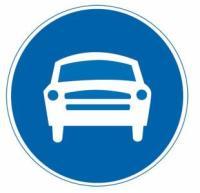
A. warning sign
B. prohibitive sign
C. indicative sign
D. directional sign
Answer: C
2. Whats the meaning of this sign?

A. No passing
B. driving at reduced speed
C. time limit for entering
D. no entering
Answer: A
3. Whats the meaning of this sign?
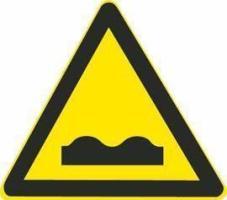
A. low-lying road
B. hump bridge
C. bump road
D. high outburst road
Answer: C
4. Whats the meaning of the double yellow solid lines?
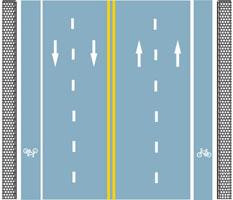
A. opposite direction lanes dividing line that can not be crossed
B. opposite direction lanes dividing line that can be crossed
C. bilateral same direction lanes dividing line that can be crossed
D. one-way lanes dividing line
Answer: A
5. Whats the meaning of this sign?
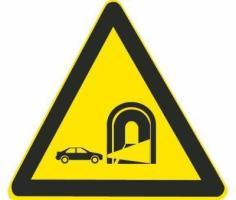
A. reduce speed in tunnel
B. turn on the high beam lights in tunnel
C. turn on the light in tunnel
D. width light in tunnel
Answer: C
6. When causing a road accident involving property damage, the parties to the accident have no dispute over the fact and cause, they should take photos of the scene or mark the vehicles location when they move the vehicles.
A. Right
B. Wrong
Answer: A
7. How to use lights when entering the speed-reducing lane?
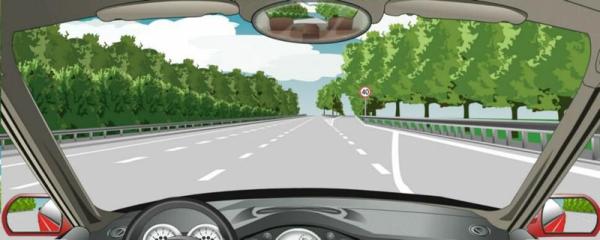
A. turn on the hazard lights
B. turn on the head light
C. turn on the left-turn signal
D. turn on the right-turn signal
Answer: D
8. Whats the meaning of the yellow filled markings on the road?
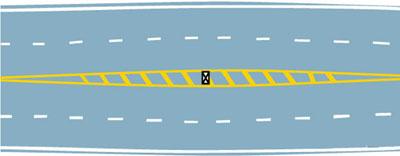
A. closing to the obstacle
B. closing narrowed road
C. closing the moving obstacle
D. Marking of approaching a narrow road
Answer: A
9. When a vehicle goes down a long slope, it should run at a lower gear and fully use the engine to brake.
A. Right
B. Wrong
Answer: A
10. Traffic signals include Traffic lights, Traffic signs and Command of the traffic police.
A. Right
B. Wrong
Answer: A
11. The traffic lights allow the vehicle to ______
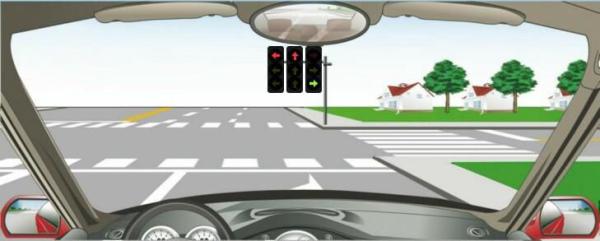
A. turn right
B. stop and wait
C. turn left
D. go straight
Answer: A
12. Whats the meaning of this yellow sign on the road?
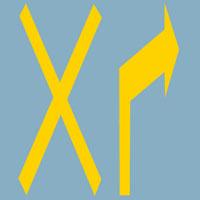
A. no U turn
B. no left turn
C. no right turn
D. no going straight
Answer: C
13. Whats the meaning of the yellow mark on the road?
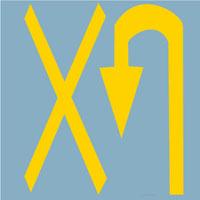
A. no going straight
B. allowed to make a U turn
C. no U turn
D. no making a turn
Answer: C
14. How to use lights at night while crossing each other on narrow road or bridge?
A. turn off all the lights
B. turn on the low beam lights
C. turn off the head lights
D. turn on high beam lights
Answer: B
15. May watch car video in good road conditions.
A. Right
B. Wrong
Answer: B
16. Turn on the right-turn signal and return immediately to the original lane afterovertaking.
A. Right
B. Wrong
Answer: B
17. What is the max speed on this city road?
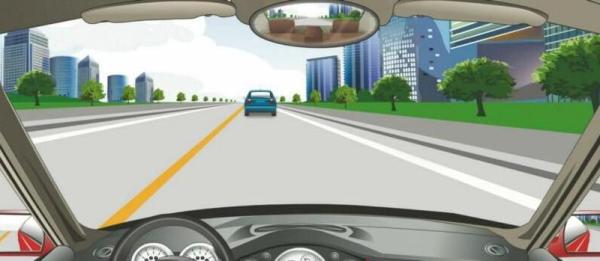
A. 30km/hr
B. 40km/hr
C. 50km/hr
D. 70km/hr
Answer: C
18. Whats the meaning of this sign?
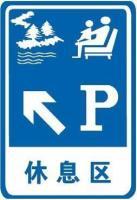
A. rest area
B. service area
C. car park
D. observation deck
Answer: A
19. When the tire pressure is too low, the fast-running tire can change its shape like waves and increase its temperature, which in turn can cause ________.
A. Even lower tire pressure
B. Increases resistance to the vehicle
C. Tire blowout
D. Unstable tire pressure
Answer: C
20. This sign warns a sharp left curve ahead.
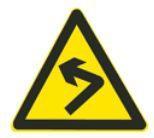
A. Right
B. Wrong
Answer: A