

1. A motor vehicle should not obstruct other vehicles when it enters the driving lane from an acceleration lane.
A. Right
B. Wrong
Answer: A
2. What should the driver do when he sees this sign on the road?
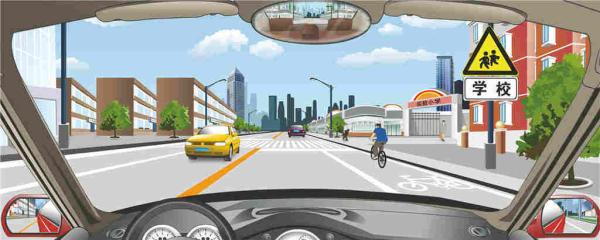
A. Use emergency braking
B. Slow down and take a look
C. Sound the horn intermittently
D. Prepare to bypass
Answer: B
3. Before making a U-turn at the intersection ahead, motor vehicle drivers should drive to the lane for turning left and going straight.
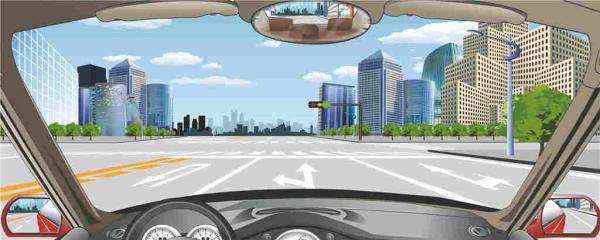
A. Right
B. Wrong
Answer: B
4. Before a motor vehicle enters a tunnel, the driver should adjust the speed in accordance with the indication of the traffic sign at the entrance of the tunnel.

A. Right
B. Wrong
Answer: A
5. What influence does smoking have upon driving?
A. Harmful for safe driving
B. Increase concentration
C. Help relaxation
D. No effect on driving
Answer: A
6. When making a turn on a mountainous road, drivers should cut speed, sound the horn and drive along the right side.
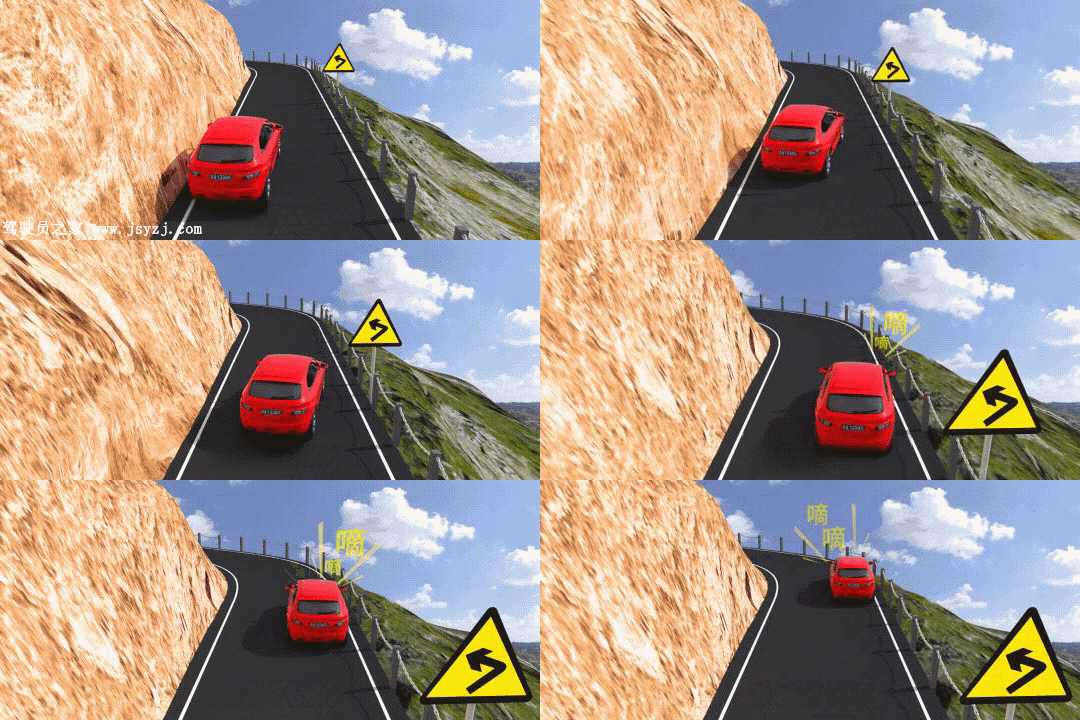
A. Right
B. Wrong
Answer: A
7. When driving on a foggy day, what kind of lamps should the driver turn on?
A. Fog lamp and hazard lamp
B. Fog lamp and indicator
C. Fog lamp and high-beam
D. Fog lamp and low-beam
Answer: A
8. In this driving condition, drivers should turn on the high-beam when setting off.
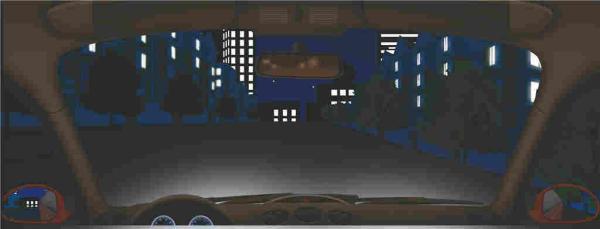
A. Right
B. Wrong
Answer: B
9. When a motor vehicle turns at an excessively high speed, it can easily slide sideways.
A. Right
B. Wrong
Answer: A
10. Motor vehicles are not allowed to stop in this area for a long time.
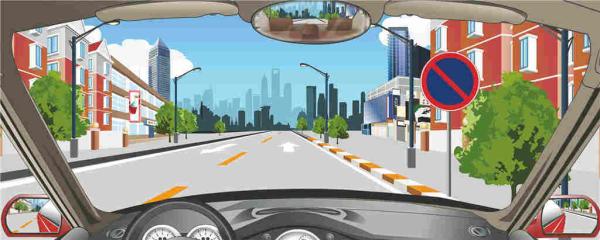
A. Right
B. Wrong
Answer: A
11. Motor vehicles are prohibited from turning left in this situation.
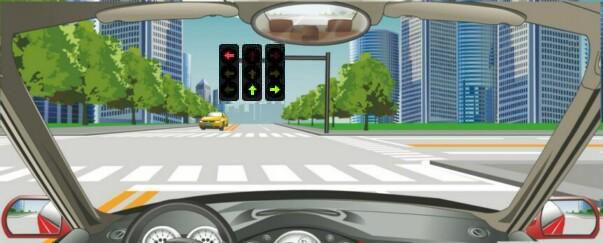
A. Right
B. Wrong
Answer: A
12. Under such circumstance at an intersection. motor vehicle drivers should be prepared to stop and yield at any time.
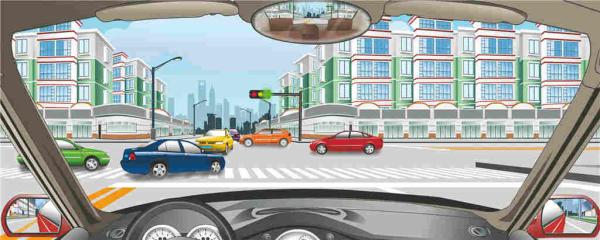
A. Right
B. Wrong
Answer: A
13. What is the meaning of the sign on the right?
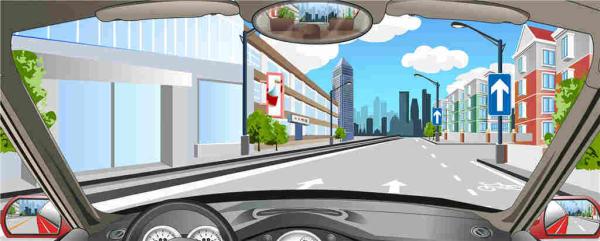
A. Drive on the right side of the road ahead
B. No entry ahead
C. One-way road ahead
D. Watch for the right-hand intersection ahead
Answer: C
14. The sign on the right warns for livestock on the road ahead.

A. Right
B. Wrong
Answer: B
15. Under such circumstances, the motor vehicle driver should voluntarily reduce speed and let the vehicle behind overtake.
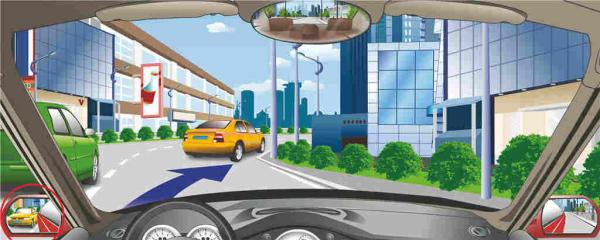
A. Right
B. Wrong
Answer: A
16. After setting off from the roadside, motor vehicle drivers should speed up as soon as possible and make a sharp left-turn in order to drive into the normal lane.
A. Right
B. Wrong
Answer: B
17. When a motor vehicle needs to stop for inspection after having an accident on an expressway, where should the driver park?
A. On the far outer lane
B. On the inner lane
C. On the emergency lane
D. In the triangle area on the ramp
Answer: C
18. When a motor vehicle catches fire on the expressway the driver should drive the motor vehicle to the service area or the parking lot to extinguish the fire.
A. Right
B. Wrong
Answer: B
19. Having driven a medium passenger vehicle (carrying 27 passengers) to the southern end of Qianling Village of Sidu Town, Mr. Xu drove upslope but the vehicle slid backward and dropped from an 80-meter cliff, killing 11 people and injuring 7. Which of the following law-breaking acts did Mr. Xu commit?
A. Fatigued driving
B. Drunk driving
C. Exceeding the carrying capacity of the passenger vehicle
D. Speeding
Answer: C
20. Motor vehicle drivers may make a U-turn in the broken line area as long as it will not affect the normal traffic flow.
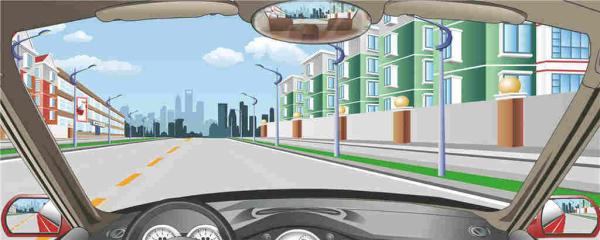
A. Right
B. Wrong
Answer: A