

1. When driving on a muddy roads, it is easy for wheels to sideslip or skid, which leads to traffic accidents.
A. Right
B. Wrong
Answer: A
2. When an erosive material catches fire, it should not be put out with water cannon.
A. Right
B. Wrong
Answer: A
3. When a wounded person is unable to get off the vehicle by himself, he should be removed from the vehicle so as to avoid a secondary injury.
A. Right
B. Wrong
Answer: A
4. Whats the meaning of the double white solid lines in far front of the intersection?
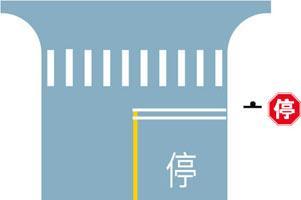
A. Stopping and yield line
B. Slowdown and yield line
C. Left-turn waiting line
D. Waiting to run line
Answer: A
5. What is the meaning of this sign?
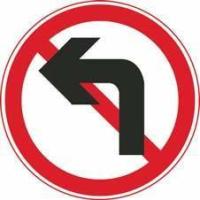
A. No U turn
B. No changing to left lane
C. No turning left
D. No entering the left lane
Answer: C
6. Whats the meaning of the double white broken lines in far front of the intersection?
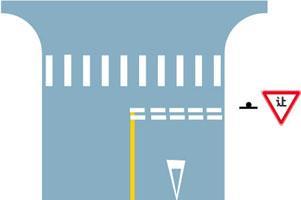
A. Waiting to run line
B. Stopping and yield line
C. Slowdown and yield line
D. Left-turn waiting line
Answer: C
7. Gun powder, explosives and detonating powder belong to which of the following dangerous chemicals?
A. Oxidizing materials
B. Inflammable solid materials
C. Explosives
D. Self-igniting articles
Answer: C
8. What is the meaning of this sign?
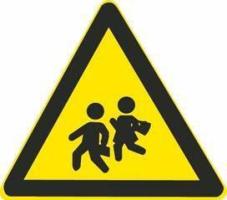
A. School area
B. Watch for children
C. Crosswalk
D. Watch for pedestrians
Answer: B
9. What is the meaning of this sign?

A. No changing lane
B. No left turn
C. No going straight
D. No U turn
Answer: D
10. When rescuing the injured, it is necessary to ________.
A. Save life first and treat the wounds later
B. Treat the wounds first and safe life later
C. Help the slightly wounded persons first
D. Help the seriously wounded persons later
Answer: A
11. In such road sections, you can enter the cross-hatched marking area to wait.
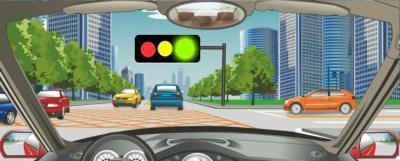
A. Right
B. Wrong
Answer: B
12. What is the meaning of this sign?
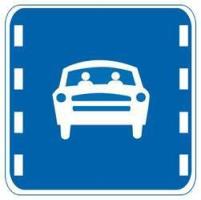
A. Special lane for small vehicles
B. Special lane for motorized vehicles
C. Special lane for taxis
D. Special lane for multi-passenger vehicles
Answer: D
13. The wrong method to rescue a poisoned person in a traffic accident is to ______.
A. Bring him to a place where air is fresh
B. Take off clothes that are exposed to toxic air
C. Clean exposed areas with clean water
D. Stay in the original place and wait for the rescue personnel
Answer: D
14. How to do in this intersection?
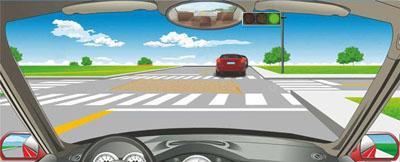
A. Wait in the cross-hatched marking area
B. stop and wait outside the intersection
C. Follow the vehicle in front and pass
D. Wait inside the intersection
Answer: B
15. What should the driver do to follow other motor vehicles on a mountain road?
A. Closely follow the vehicle in front
B. Increase the safety distance
C. Reduce the vertical distance between vehicles
D. Try to overtake the vehicle in front as soon as possible
Answer: B
16. When such circumstances happen suddenly, what should the driver do?
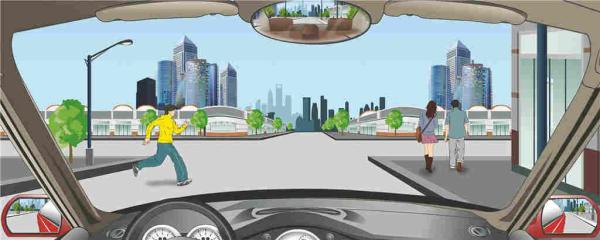
A. Reduce speed or stop to yield
B. Bypass in front of the pedestrians
C. Continuously sound the horn to alert the pedestrians
D. Bypass from behind the pedestrians
Answer: A
17. When a fast-moving vehicle encounters an emergency the driver should turn to evade first and then brake to slow down so as to mitigate the damage.
A. Right
B. Wrong
Answer: B
18. Violent wind can cause a sideways swerve to a running vehicle.
A. Right
B. Wrong
Answer: A
19. It is not a bad habit for a driver to frequently change lanes.
A. Right
B. Wrong
Answer: B
20. It is illegal to change lanes without turning on indicators.
A. Right
B. Wrong
Answer: A