

1. When a vehicle reaches a muddy or burst-and-muddy section, the driver should stop,observe and select the level and solid section or the section with vehicle tracks.
A. Right
B. Wrong
Answer: A
2. Whats the meaning of this guide arrow?
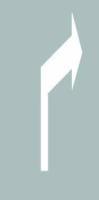
A. indicate changing to left lane
B. indicate changing to left lane
C. indicate making a U turn ahead
D. indicate turning right ahead
Answer: D
3. What will be subject to if driving the vehicle reached write-off standard?
A. a 20~200 yuan fine
B. being held for criminal liabilities
C. being detained for less than 15 days
D. being revoked the driving license
Answer: D
4. Whats the meaning of this park marking?
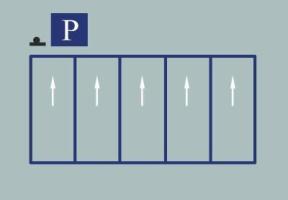
A. special stopping and waiting area
B. special getting-on and getting-off area
C. time limit parking
D. fixed direction parking
Answer: D
5. Which kind of vehicle can be initially applied for when one reaches 20 years old?
A. large truck
B. large bus
C. midsize bus
D. trailer
Answer: A
6. A person can not apply the motorized vehicle driving license, if he has been held for criminal liabilities according to law because of driving after drinking and causing a major traffic accident.
A. Right
B. Wrong
Answer: A
7. When a vehicle stops for a long time, the driver should select a car park to do so.
A. Right
B. Wrong
Answer: A
8. This sign indicates one-way section ahead.
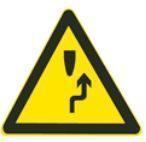
A. Right
B. Wrong
Answer: B
9. Whats the meaning of this sign?
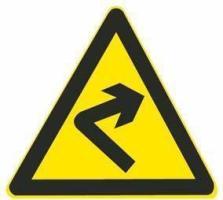
A. sharp right curve
B. bypass from right side
C. continuous curves
D. sharp left curve
Answer: A
10. You can not drive a motorized vehicle into the lane where the red X-shaped light or the red arrow light is on.
A. Right
B. Wrong
Answer: A
11. Whats the meaning of this sign?
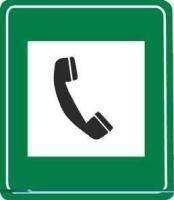
A. expressway public phone
B. expressway police phone
C. expressway emergency phone
D. expressway rescue phone
Answer: C
12. What does the traffic light mean?

A. allowed to pass
B. draw attention
C. intersection warning
D. prohibited from passing
Answer: D
13. This sign reminds the lane or the road narrows on both sides ahead.
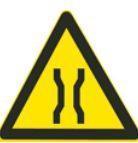
A. Right
B. Wrong
Answer: B
14. This sign reminds the lane or the road narrows on the right side ahead.
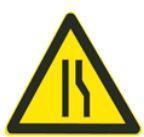
A. Right
B. Wrong
Answer: A
15. When a motorized vehicle crosses a non-motorized vehicle on a narrow road or a narrow bridge at night, the motorized vehicle should use the high beam light.
A. Right
B. Wrong
Answer: B
16. How to pass the intersection when running straight
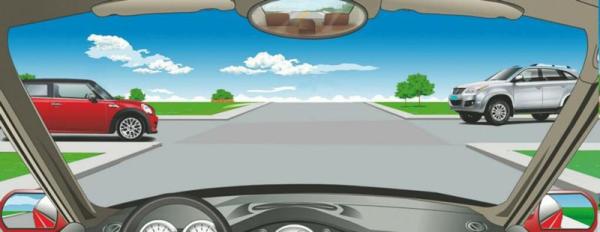
A. turn on the hazard lights and pass
B. directly speed up and pass straight
C. yield to the vehicle from the right road
D. yield to the vehicle from the left road
Answer: C
17. Whats the meaning of the diamond broken lines on the road?

A. road construction marking
B. vertical deceleration marking
C. horizontal deceleration marking
D. fewer lanes indication marking
Answer: B
18. Driving a motorized vehicle on the road should be required to be with a license plate.
A. Right
B. Wrong
Answer: A
19. It lights to indicate that ______

A. ABS system malfunction
B. handbrake is released
C. braking system malfunction
D. safety bags malfunction
Answer: A
20. Whats the meaning of this sign?

A. distance to a tourist area
B. direction of a tourist area
C. symbol of a tourist area
D. category of a tourist area
Answer: A