

1. When there is no bandage for rescuing a wounded person, which of the following measures is wrong?
A. Dress the wounds with a handkerchief
B. Dress the wounds with a towe
C. Dress the wounds with cotton clothes
D. Dress the wounds with string
Answer: D
2. When driving on a muddy roads, it is easy for wheels to sideslip or skid, which leads to traffic accidents.
A. Right
B. Wrong
Answer: A
3. According to regulations, motorcycle driver should wear _______.
A. Glasses
B. A special safety helmet
C. Gloves
D. Safety kneepads
Answer: B
4. Why is it dangerous to overtake on a snowy mud road in heavy snow?
A. Snow can increase tire adhesion
B. The flying mud made the sight bad.
C. Long braking distance in case of emergency
D. Pavement under snow and mud is easier to skid.
Answer: BCD
5. When a motorcycle turns at an excessively high speed, it can easily dash out of a curve or skid sideways.
A. Right
B. Wrong
Answer: A
6. What kind of harmful effect will be brought about by continuously using the foot brake on a long downhill road?
A. Shorten the engine?ˉs service life
B. Make the driver feel tired
C. Easily cause the vehicle to overturn
D. Reduce the braking efficiency
Answer: D
7. What are the driving behaviors that cause accidents when a motor vehicle turns to a turning road?
A. Vehicles occupy opposite lanes
B. Turn the steering wheel sharply in the bend
C. Do not slow down before turning
D. Motor vehicles drive on the right side of the road
Answer: ABC
8. When the wounded person is suffering main artery bleeding, where should the rescue personnel press by thumb to stop the bleeding?
A. The artery near the heart
B. The artery lower to the wound
C. The artery further from the heart
D. The artery in the center of the wound
Answer: A
9. Which of the following is a basic requirement for rescuing the injured at the scene of a traffic accident?
A. Treat wounds first and safe life later
B. Save life first and treat wounds later
C. Help lightly wounded persons first
D. Help seriously wounded persons later
Answer: B
10. What is the meaning of this sign?
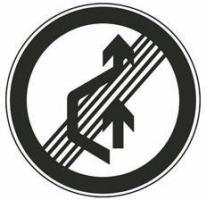
A. Overtaking ban is lifted
B. Changing lane is allowed
C. Changing lane ban is lifted
D. Borrowing lane ban is lifted
Answer: A
11. When a motor vehicle encounters an accident, the driver should pay attention to whether there is fuel leakage, pipeline rupture, so as avoid accidents.
A. Right
B. Wrong
Answer: A
12. The article that cannot be used to stop bleeding by dressing is _________.
A. Bondage
B. Sling
C. Tourniquet
D. Hemp rope
Answer: D
13. Turning on the high-beam is an effective way to improve visibility in fog weather.
A. Right
B. Wrong
Answer: B
14. What is the meaning of this sign?

A. No stopping temporarily
B. No long stopping
C. No stopping
D. Long stopping is allowed
Answer: B
15. When overtaking a motor vehicles on uphill sections of a mountain road, the driver should _____.
A. Honk in advance
B. Forward cars are allowed to overtake before overtaking.
C. Turn on the left-turn signal in advance
D. Speed up direct and overtake
Answer: ABC
16. How to do in this situation?
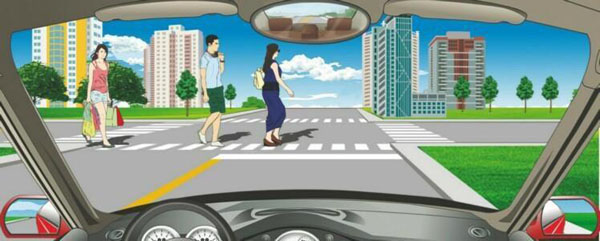
A. Stop and yield to the pedestrians
B. Bypass from the front of the pedestrians
C. Honk to remind the pedestrians
D. Bypass from the rear of the pedestrians
Answer: A
17. Under such circumstances, the driver should stop the vehicle and yield to pedestrians.
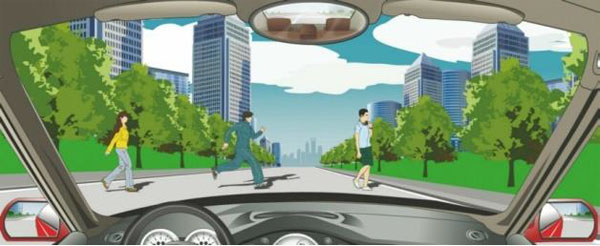
A. Right
B. Wrong
Answer: A
18. What is the meaning of this sign?
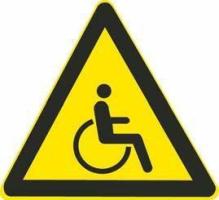
A. Exit and entry for disabled people
B. Watch for disabled people
C. Rest area for disabled people
D. Special passage for disabled people
Answer: B
19. What is the meaning of this sign?
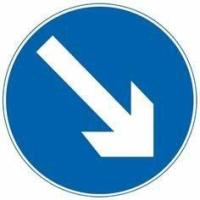
A. Downhill section on right side
B. Driving by the right side of the road
C. Stopping by the right side of the road
D. Right turn only
Answer: B
20. When the vehicles cross each other at night, what should the driver do if the vehicle coming in the opposite direction always use the high beam light.
A. Continuous change lights and honk to remind the vehicle coming in the opposite direction
B. Turn on the high beam light
C. Reduce speed or driving on the right side.
D. Move his sight to the right side to evade the light
Answer: CD