

1. You can not drive a motorized vehicle into the lane where the red X-shaped light or the red arrow light is on.
A. Right
B. Wrong
Answer: A
2. The act of this small passenger vehicle to enter the expressway lane is correct.
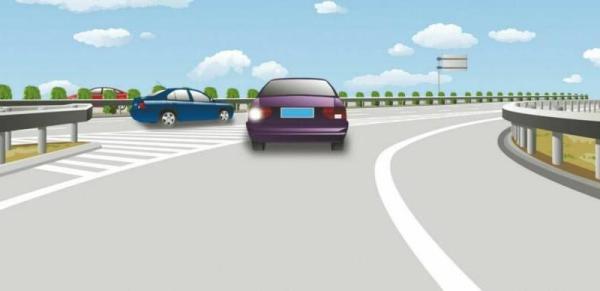
A. Right
B. Wrong
Answer: B
3. Whats the meaning of this sign?
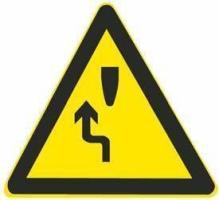
A. watch for danger
B. bypass from right side
C. bypass from left side
D. one-way pass
Answer: C
4. What mark is the inclined yellow and black lines?
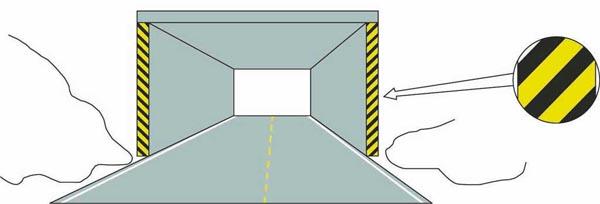
A. entity mark
B. protrusions mark
C. three-dimensional mark
D. deceleration mark
Answer: C
5. Fine will be 200~2000 yuan and driving license will be revoked if _____
A. violating traffic regulations
B. running 50% faster than the specified speed limit
C. escaped after causing traffic accident
D. driving without driver license
Answer: B
6. When the driver senses a tire blowout on the road, he should control the direction of the vehicle and use emergency braking to bring the vehicle swiftly to a stop.
A. Right
B. Wrong
Answer: B
7. It displays the current engine speed is 6000 rev / min.
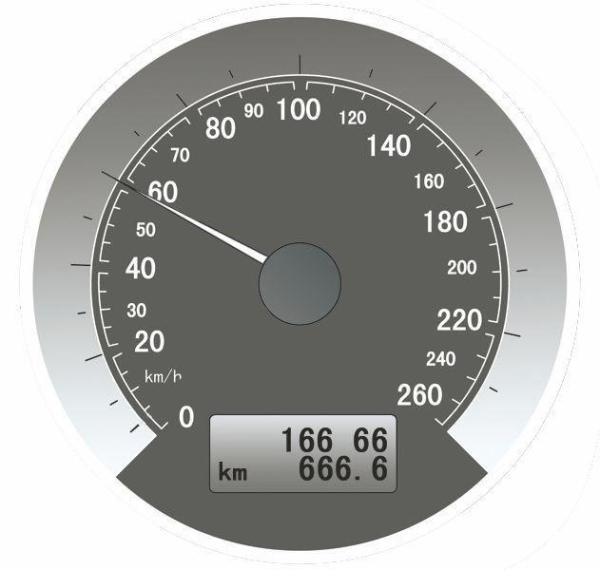
A. Right
B. Wrong
Answer: B
8. How to do if there is a traffic jam in intersection?
A. borrow the opposite lane to pass
B. stop and wait outside the intersection
C. cut in the front vehicles to pass
D. enter the intersection and wait
Answer: B
9. When encountering non-motorized vehicles cutting in on the road, the driver should ___.
A. Honk to warn
B. Speed up and pass
C. Reduce speed and yield
D. Suddenly speed up when approaching
Answer: C
10. Whats the meaning of this sign?

A. distance to a tourist area
B. direction of a tourist area
C. symbol of a tourist area
D. category of a tourist area
Answer: A
11. Driving a small passenger vehicle at 100km/hr on the expressway, the minimum distance from the vehicle in front is _____ .
A. not less than 20 meters
B. not less than 10 meters
C. not less than 50 meters
D. not less than 30 meters
Answer: C
12. It lights continuously to indicate that engine control system failed.
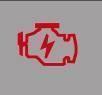
A. Right
B. Wrong
Answer: A
13. When overtaking, the driver should ________ if the vehicle in front refuses to reduce speed or yield.
A. Follow closely and find chance to overtake again
B. Stop overtaking
C. Speed up and continue to overtake
D. Continuously honk and speed up to overtake
Answer: B
14. When driving in a rainstorm and the windscreen wiper cannot totally wipe off the rain water, the driver should ________.
A. Concentrate his attention and drive with care
B. Immediately reduce speed and stop at the road side
C. Maintain the normal speed
D. Drive at a reduced speed
Answer: B
15. How to turn right in this intersection?
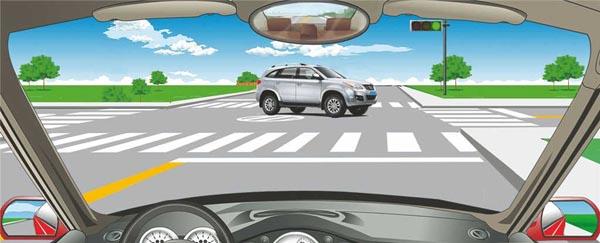
A. turn right directly
B. turn right at the front of the opposite car in advance
C. honk to urge
D. let the opposite car turn left first
Answer: D
16. When ignition switch is in the START position, the starter starts.
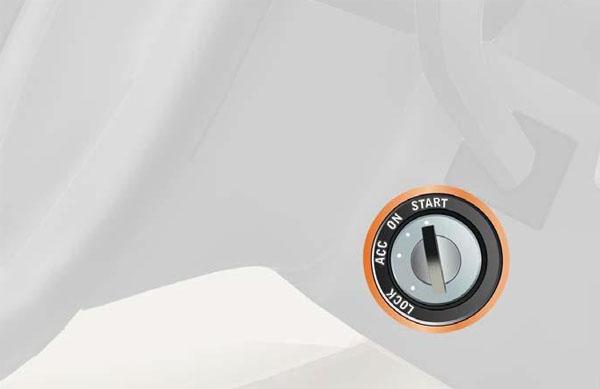
A. Right
B. Wrong
Answer: A
17. Speed up and pass when encountering this traffic light at the intersection
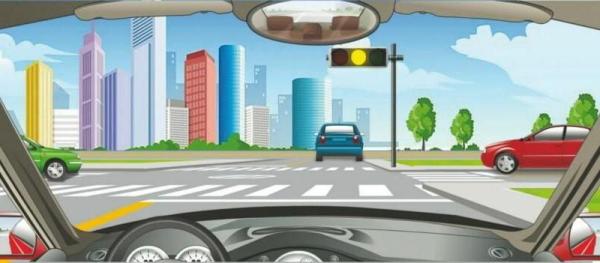
A. Right
B. Wrong
Answer: B
18. It lights to indicate enabling the floor and the front windscreen fan.

A. Right
B. Wrong
Answer: A
19. What does this sign mean?
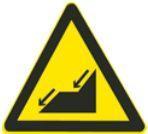
A. Reminding continuous two or more up slopes ahead
B. Reminding the steep uphill road ahead
C. Reminding the steep downhill road ahead
D. Reminding continuous two or more down slopes ahead
Answer: D
20. The traffic lights allow the vehicle to ______
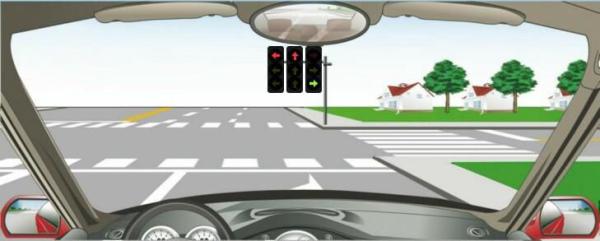
A. turn right
B. stop and wait
C. turn left
D. go straight
Answer: A