

1. Whats the meaning of this sign?
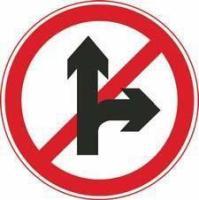
A. no going straight and no changing to left lane
B. no going straight and no left turn
C. allowed to go straight and change to left lane
D. no going straight and no right turn
Answer: D
2. A motorized vehicle is not allowed to stop in the section 50 meters to the bridge, steep slope or tunnel.
A. Right
B. Wrong
Answer: A
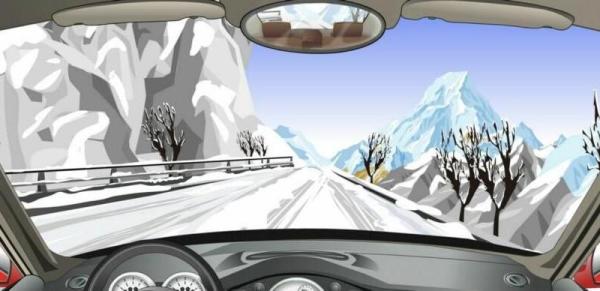
3. Driving a motorized vehicle on the road in this condition, the maximum speed can not exceed 50 kilometers per hour.
A. Right
B. Wrong
Answer: B
4. It lights continuously to indicate that ______

A. safety bags work
B. not buckled up
C. ABS system malfunction
D. safety bags malfunction
Answer: D
5. A motorized vehicle driver who reverses, drives in the opposite direction or make a U turn by crossing the central dividing strip on the expressway is subject to a 6-point penalty.
A. Right
B. Wrong
Answer: B
6. The vehicle is allowed to _______ at this intersection.
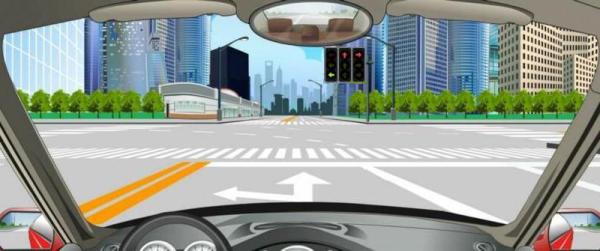
A. go straight or turn right
B. turn right
C. turn left
D. go straight
Answer: C
7. When a motorized vehicle breaks down on the road and is difficult to move, the driver should place a warning sign within 50 meters behind the vehicle.
A. Right
B. Wrong
Answer: B
8. A motorized vehicle driver who uses falsified or altered driving license is subject to a 12-point penalty.
A. Right
B. Wrong
Answer: A
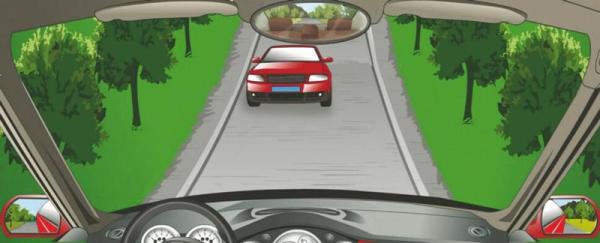
9. In this case, if it has not begun going up the slope, the vehicle going uphill should yield to the one going downhill.
A. Right
B. Wrong
Answer: A
10. Traffic Police can detain the vehicle according to law if it is suspected of using the label of insurance from other vehicle.
A. Right
B. Wrong
Answer: A
11. The main impact of rainy weather on safe driving is _______.
A. The road is wet and slippery and the visibility is poor
B. The engine is prone to stop
C. The resistance to the vehicle increases
D. The electric equipment is prone to getting wet and causing short circuit
Answer: A
12. Whats the meaning of this sign?
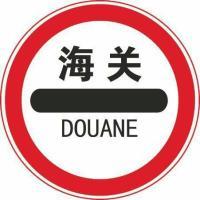
A. national boundaries
B. border defense
C. boundaries
D. customs
Answer: D
13. This sign warns the driver there is school area ahead.
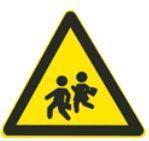
A. Right
B. Wrong
Answer: B
14. It lights to indicate enabling the floor and the front windscreen fan.

A. Right
B. Wrong
Answer: A
15. When a motorized vehicle makes a U turn, turns around or goes down a slope, the maximum speed should not exceed 40 kilometers per hour.
A. Right
B. Wrong
Answer: B
16. When a vehicle overtakes the bike riders going in the same direction, the rational way to deal with is to ________.
A. Continuously honk to remind them to yield
B. Continuously honk and speed up to overtake
C. Yield to the bike riders
D. Observe them, reduce speed and go slowly, while keeping a sufficient safe distance.
Answer: D
17. When crossing each other on a narrow road, the driver should slow down, yield and stop first.
A. Right
B. Wrong
Answer: A
18. The vehicle with ABS system can minimize the braking distance when driving on a road covered by ice and snow.
A. Right
B. Wrong
Answer: B
19. It displays that oil in tank has less than the warning line

A. Right
B. Wrong
Answer: A
20. A motorized vehicle driver is not allowed during the period of probation to pull a trailer.
A. Right
B. Wrong
Answer: A