

1. Whats the meaning of this sign?
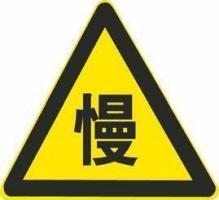
A. more vehicles section
B. passing slowly
C. jammed section
D. construction section
Answer: B
2. When driving in icy and snowy weather, ________.
A. The braking distance becomes longer
B. The resistance to slide becomes larger
C. The braking performance does not change
D. The road grip becomes stronger
Answer: A
3. What is this manipulation device?
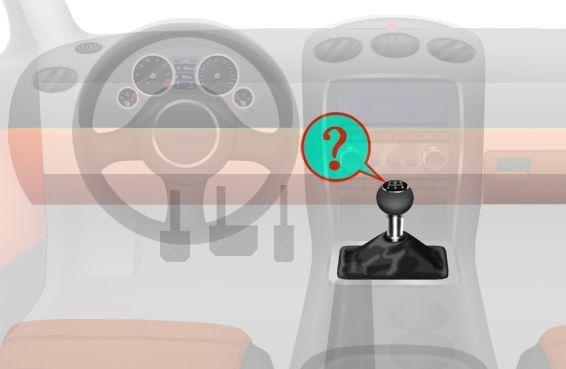
A. the handbrake
B. the air throttle lever
C. the gear lever
D. the clutch lever
Answer: C
4. Whats the meaning of this sign?
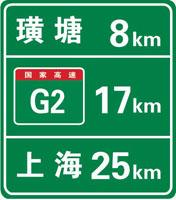
A. indication of the place name of the expressway ending
B. indication of the driving route of the expressway
C. indication of the driving direction of the expressway
D. indication of the location and distance of the expressway
Answer: D
5. Whats the meaning of this sign?
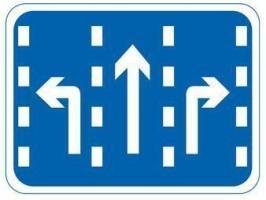
A. left-turn lane
B. straight-going lane
C. right-turn lane
D. lanes for going in different directions
Answer: D
6. A motorized vehicle runs on the road without a label of inspection, the traffic police can detain the vehicle.
A. Right
B. Wrong
Answer: A
7. Whats the meaning of this sign?
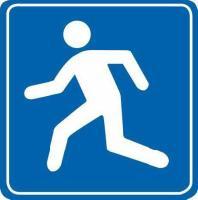
A. emergency shelter
B. service area
C. pedestrian passage
D. crossing road facility
Answer: A
8. When causing a road accident involving property damage, the parties to the accident may leave the scene if they have no dispute over the fact and cause.
A. Right
B. Wrong
Answer: A
9. From which side to overtake?

A. both sides
B. right side
C. left side
D. the side with no obstacle
Answer: C
10. This sign warns the driver there is school area ahead.
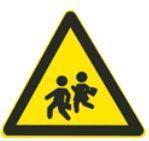
A. Right
B. Wrong
Answer: B
11. When a vehicle approaches an intersection without crosswalk, the driver should _______ if he finds people are crossing the street.
A. Reduce speed or stop to yield
B. Honk to indicate them to yield
C. Immediately change lane and bypass the pedestrians
D. Pass before the pedestrians
Answer: A
12. What marking is the yellow broken line in the circle?
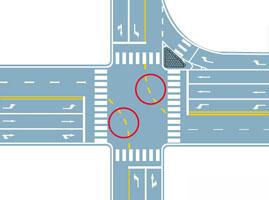
A. non-motorized vehicles guide lines
B. intersection guide line
C. lane connection lines
D. small vehicles turning lines
Answer: B
13. Whats the meaning of this sign?
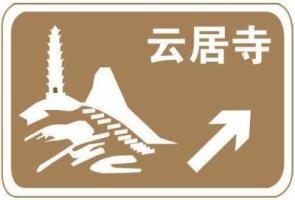
A. distance to a tourist area
B. category of a tourist area
C. direction of a tourist area
D. symbol of a tourist area
Answer: C
14. Whats the meaning of this sign?
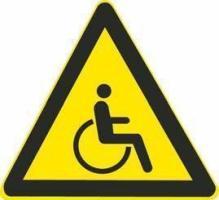
A. exit and entry for disabled people
B. watch for disabled people
C. rest area for disabled people
D. special passage for disabled people
Answer: B
15. Driving a motorized vehicle on the expressway is not allowed to exceed the marked maximum speed.
A. Right
B. Wrong
Answer: A
16. No running into the middle lane when encountering this situation.
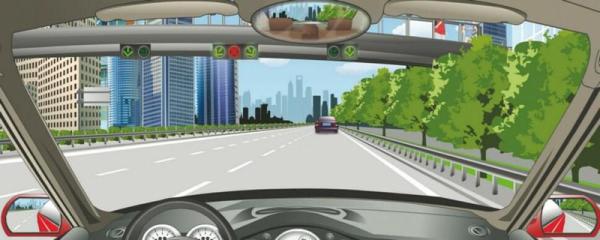
A. Right
B. Wrong
Answer: A
17. May speed up to go through the crosswalk in this situation.
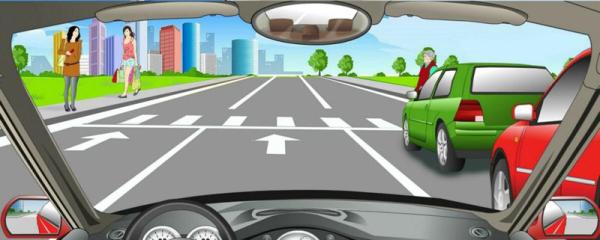
A. Right
B. Wrong
Answer: B
18. This sign indicates landslide section ahead and bypassing.
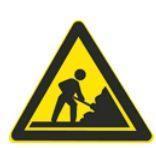
A. Right
B. Wrong
Answer: B
19. What is the max speed on this expressway?
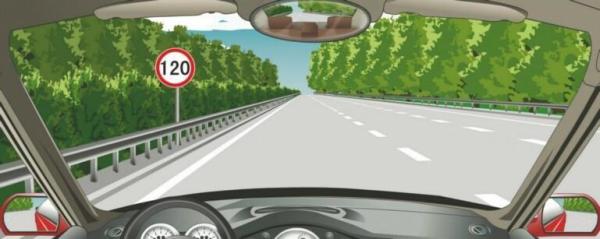
A. 60km/hr
B. 90km/hr
C. 90km/hr
D. 120km/hr
Answer: D
20. A driver can park the vehicle by borrowing the sidewalk if he cannot find the parking area.
A. Right
B. Wrong
Answer: B