

1. Can not overtake in this situation.

A. Right
B. Wrong
Answer: A
2. What does this symbol indicate?

A. luggage compartment is opened
B. door of one side is opened
C. engine compartment is opened
D. cover of fuel tank is opened
Answer: A
3. The vehicle is allowed to _______ at this intersection.
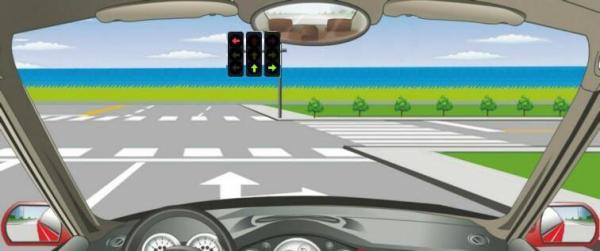
A. go straight or turn right
B. turn left
C. go straight or turn left
D. turn left or turn right
Answer: A
4. This sign indicates intersection ahead.
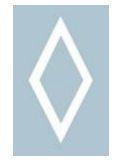
A. Right
B. Wrong
Answer: B
5. Whats the meaning of the marking in the red circle?
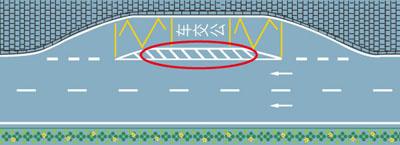
A. temporary stopping
B. large bus stopping
C. bus station
D. emergency stopping
Answer: C
6. Before a vehicle enters an intersection, the driver should reduce speed, observe and make sure it is safe to do so.
A. Right
B. Wrong
Answer: A
7. In which situation that a driver will not allowed to drive?
A. penalty points reach 10 points
B. penalty points reach 6 points
C. driving license lost or destroyed
D. driving license is nearly expired
Answer: C
8. When encountering stopping in turn or slow-moving vehicles in front at an intersection where lanes are reduced, the motorized vehicle should _________.
A. enter the intersection from road shoulder by the right side of the vehicle in front
B. enter the intersection from the side of interspace
C. pass alternately with one vehicle each lane to enter the intersection
D. change to left lane and cut in to enter the intersection
Answer: C
9. When a vehicle passes a level crossing, the driver should use the low gear to pass and should not change gear halfway in order to avoid engine kill.
A. Right
B. Wrong
Answer: A
10. Whats the meaning of this sign?

A. expressway mileage No.
B. expressway border plate No.
C. expressway name No.
D. expressway section No.
Answer: C
11. This sign warns the driver there is a crosswalk ahead.
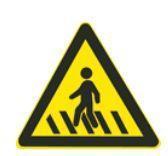
A. Right
B. Wrong
Answer: B
12. When a vehicle enters a two-way tunnel, the driver should turn on ________.
A. The hazard lights
B. The high beam light
C. The fog light
D. The width light or the low beam light
Answer: D
13. What is this instrument?
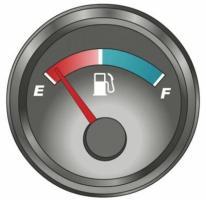
A. pressure meter
B. ammeter
C. water temperature meter
D. fuel meter
Answer: D
14. It lights to indicate that ______
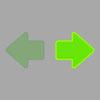
A. front and rear width lights light on
B. front and rear width lights light on
C. left-turn signal flashes
D. right-turn signal flashes
Answer: D
15. Before a motorized vehicle overtakes, the driver should turn on the left-turn signal, use the high and low beam lights alternately or honk in advance.
A. Right
B. Wrong
Answer: A
16. What device does the switch of this symbol control?

A. the windscreen defrosting
B. the rear window wiper
C. the rear window defrosting
D. the windscreen wiper
Answer: D
17. Whats the meaning of this sign?
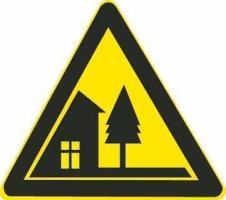
A. watch for pedestrians
B. crosswalk
C. village or town
D. primary school
Answer: C
18. How long can a driver drives without rest?
A. less than 6hrs
B. less than 8hrs
C. less than 10hrs
D. less than 4hrs
Answer: D
19. How to pass this intersection?
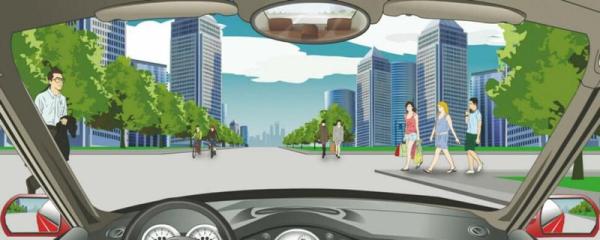
A. keep the speed and go through
B. honk to urge
C. reduce speed and go through slowly
D. speed up and go through
Answer: C
20. How to use lights at night while crossing each other on narrow road or bridge?
A. turn off all the lights
B. turn on the low beam lights
C. turn off the head lights
D. turn on high beam lights
Answer: B