

1. This sign warns the driver there is school area ahead.
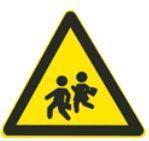
A. Right
B. Wrong
Answer: B
2. The police can detain the vehicle if one drives a vehicle without ______
A. driving license
B. ID card
C. pass paper
D. qualification certificate
Answer: A
3. When a driver needs to borrow a lane to bypass an obstacle in front and a vehicle in the opposite direction is approaching the obstacle, the driver should ___________.
A. Reduce speed or stop and yield to the vehicle coming in the opposite direction
B. Speed up and bypass the obstacle in advance
C. Honk to indicate the vehicle in the opposite direction to yield
D. Rapidly occupy the lane and force the vehicle coming in the opposite direction to stop and yield
Answer: A
4. Reducing the speed to yield when encountering this situation in the intersection.
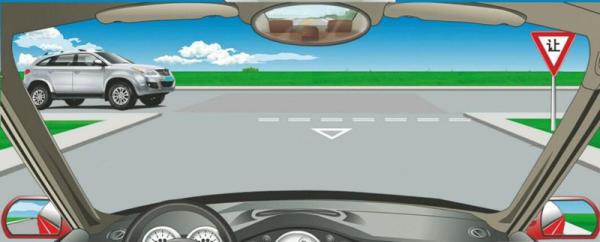
A. Right
B. Wrong
Answer: A
5. The red car can run in this lane.
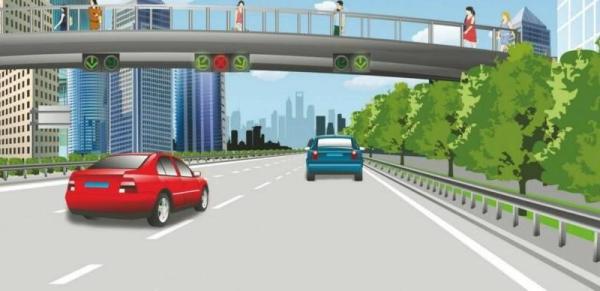
A. Right
B. Wrong
Answer: B
6. A vehicle is not allowed to make a U turn on the ramp of an expressway.
A. Right
B. Wrong
Answer: A
7. The starter works when turning the ignition switch to the ACC position.
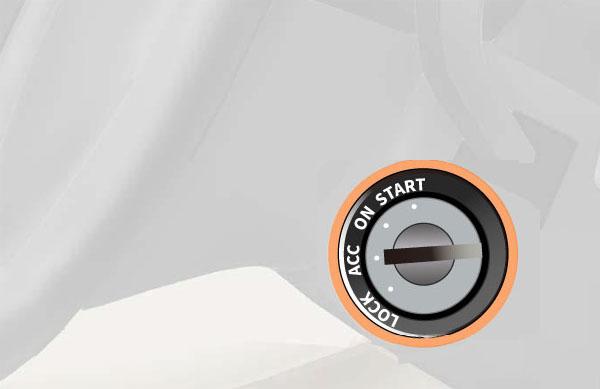
A. Right
B. Wrong
Answer: B
8. Whats the meaning of this sign?
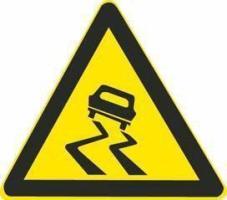
A. slippery section
B. sharp curve
C. test driving section
D. curve section
Answer: A
9. Whats the meaning of this sign?
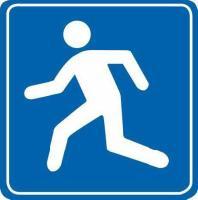
A. emergency shelter
B. service area
C. pedestrian passage
D. crossing road facility
Answer: A
10. When a vehicle goes uphill, the driver should observe the road conditions and the length of the slope in advance and shift to the lower gear in a timely manner to ensure the vehicle has sufficient power.
A. Right
B. Wrong
Answer: A
11. The driver who drives after drunk is subject to ______
A. a criminal restriction and a fine
B. a prison term of more than 2 years
C. a criminal detention and a fine
D. a prison term of less than 2 years
Answer: C
12. When driving in a snowy day, the driver should drive along the vehicle tracks if there are any.
A. Right
B. Wrong
Answer: A
13. Whats the meaning of this sign?
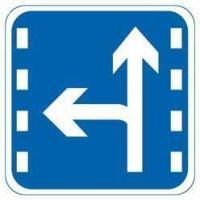
A. lane for both going straight and U turn
B. lane for both going straight and left turn
C. lane for going straight and right turn
D. lanes for going in different directions
Answer: B
14. Whats the meaning of this sign?
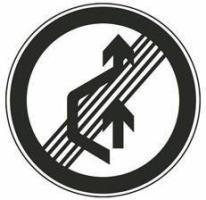
A. overtaking ban is lifted
B. changing lane is allowed
C. changing lane ban is lifted
D. borrowing lane ban is lifted
Answer: A
15. What device does the switch of this symbol control?

A. the windscreen defrosting
B. the rear window wiper
C. the rear window defrosting
D. the windscreen wiper
Answer: D
16. It lights when the handbrake is pulled up.

A. Right
B. Wrong
Answer: A
17. May turn right when encountering this traffic light at the intersection.
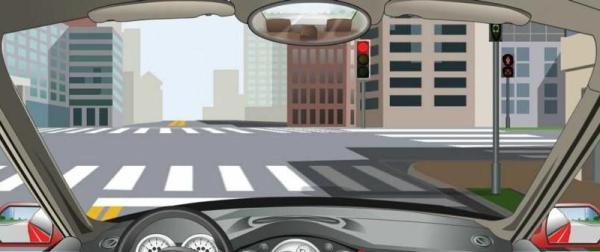
A. Right
B. Wrong
Answer: A
18. When a motorized vehicle causes a minor traffic accident and obstructs traffic flow, it does not need to move.
A. Right
B. Wrong
Answer: B
19. Whats the role of the prohibitive sign?
A. indicate the vehicles to go ahead
B. warn danger ahead
C. prohibit or restrict from doing
D. tell the direction information
Answer: C
20. Ignition switch in the ON position, the vehicle can not use electrical appliances.
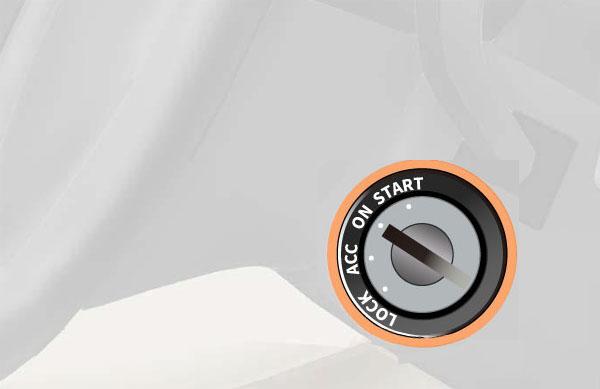
A. Right
B. Wrong
Answer: B