

1. After starting the engine, it lights to indicate that ______

A. engine main oil way blockage
B. engine oil pressure is too low
C. engine crankshaft box leaks
D. engine oil pressure is too high
Answer: B
2. Traffic Police can detain the vehicle according to law if the driver does not carry the IDcard.
A. Right
B. Wrong
Answer: B
3. A motorized vehicle driver is not allowed during the period of probation to pull a trailer.
A. Right
B. Wrong
Answer: A
4. The vehicle is allowed to _______ at this intersection.

A. go straight
B. turn right
C. turn left
D. go straight or turn left
Answer: B
5. Whats the meaning of the white rectangle marking?
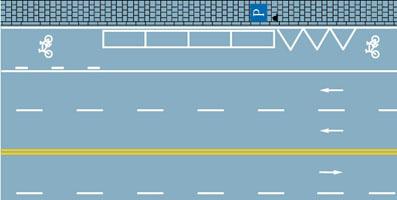
A. special space for taxicabs to take and drop passengers
B. horizontal parking space
C. inclined parking space
D. vertical parking space
Answer: B
6. Which part does this switch control?
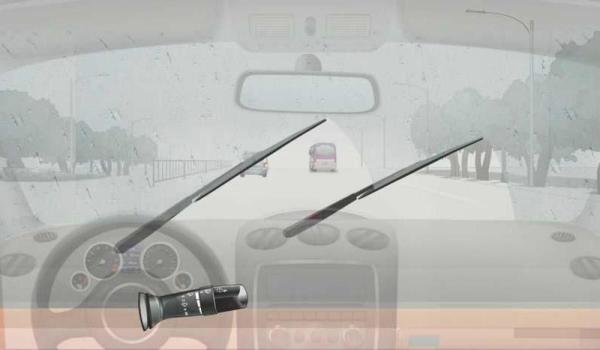
A. windscreen defogger
B. windscreen wiper
C. the hazard lights
D. devices of lights and signals
Answer: B
7. What marking is the triagle filled area in the circle?
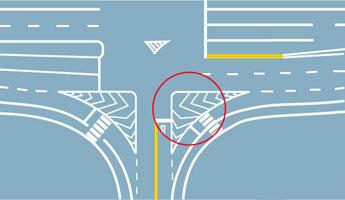
A. stop line
B. deceleration line
C. guide line
D. cross-hatched marking
Answer: C
8. When driving, the driver should be courteous and defensive, instead of being offensive.
A. Right
B. Wrong
Answer: A
9. Reducing the speed when driving in sand, hail, rain, fog, ice and other weather conditions.
A. Right
B. Wrong
Answer: A
10. The child in the motorized vehicle does not need to buckle up when the vehicle runs.
A. Right
B. Wrong
Answer: B
11. What is the minimum speed in this lane?
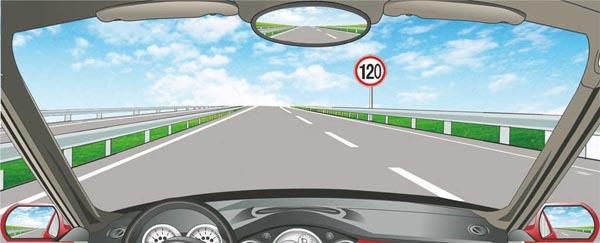
A. 60km/hr
B. 90km/hr
C. 100km/hr
D. 110km/hr
Answer: C
12. Whats the meaning of this sign?
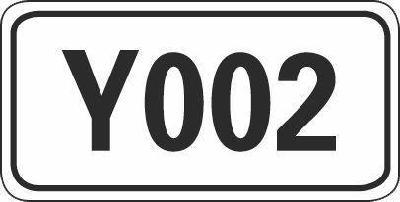
A. provincial highway No.
B. county road No.
C. township road No.
D. national highway No.
Answer: C
13. This sign warns the driver there have traffic lights ahead.

A. Right
B. Wrong
Answer: A
14. If the accumulated penalty points of a motorized vehicle driver reach 12 points and the driver refuses to participate in the study course and also refuses to take tests, it should be publicly announced that his driving license should no longer be used.
A. Right
B. Wrong
Answer: A
15. In which situation the traffic police may detain the vehicle?
A. no vehicle registration papers
B. no insurance contract
C. no lable of environmental protection
D. no label of insurance
Answer: D
16. Whats the meaning of this sign?
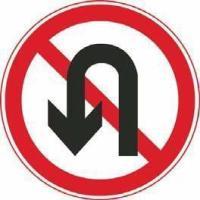
A. no changing lane
B. no left turn
C. no going straight
D. no U turn
Answer: D
17. Whats the meaning of this sign?

A. watch for wildlife
B. watch for animals
C. zoo park
D. opened pastoral area
Answer: A
18. Traffic Police can detain the vehicle according to law if it is without the mandatory traffic accident insurance in accordance with state regulations.
A. Right
B. Wrong
Answer: A
19. It lights if left door is not closed.

A. Right
B. Wrong
Answer: B
20. Whats the meaning of this sign?

A. an unmanned level crossing 100m ahead
B. a manned level crossing 100m ahead
C. an unmanned level crossing 50m ahead
D. a manned level crossing 50m ahead
Answer: C