

1. Whats the meaning of this sign?
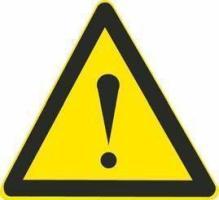
A. reduce speed and go slowly
B. watch for danger
C. jammed section
D. accident-prone section
Answer: B
2. When a vehicles turns, it should do so on the right side and refrain from occupying the lane of the other party. The left turn should be gentle and the right turn should be sharp.
A. Right
B. Wrong
Answer: A
3. Whats the meaning of this figure mark on the road?
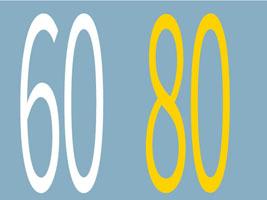
A. a mark of keeping distance
B. a mark of minimum distance
C. a mark of speed limit
D. a mark of road number
Answer: C
4. If a motorized vehicle driver allows his vehicle to be driven by a person whose driving license has been detained, the traffic police will serve an oral warning.
A. Right
B. Wrong
Answer: B
5. If a motorized vehicle driver has caused a major accident in violation of the traffic regulations which has caused serious injury, the driver is subject to a prison term of less than 3 years or a criminal detention.
A. Right
B. Wrong
Answer: A
6. A vehicle may stop on the ramp of an expressway.
A. Right
B. Wrong
Answer: B
7. How to do in this situation?

A. stop and yield to the pedestrians
B. bypass from the front of the pedestrians
C. honk to remind the pedestrians
D. bypass from the rear of the pedestrians
Answer: A
8. A person who falsifies, alters driving license or uses falsified, altered driving license, and if his act constitutes a crime, he should be held for criminal liabilities according to law.
A. Right
B. Wrong
Answer: A
9. Whats the meaning of this sign?
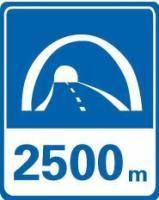
A. the distance from the tunnel exit
B. the distance from the tunnel entry
C. the distance of following the vehicle in front in the tunnel
D. the whole length of the tunnel
Answer: A
10. Whats the meaning of this sign?
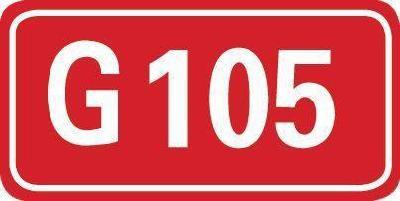
A. township road No.
B. county road No.
C. provincial highway No.
D. national highway No.
Answer: D
11. Which behavior a person had in 3 years is not allowed to apply for a motorized vehicle driving license?
A. insulin injections
B. drunken experience
C. smoking addiction
D. drug injections
Answer: D
12. How far should be the distance from the vehicle in front at the speed of more than 100 km/hr when driving a small passenger vehicle on the expressway?
A. more than 50 meters
B. more than 60 meters
C. more than 100 meters
D. more than 80 meters
Answer: C
13. Whats the meaning of this sign?
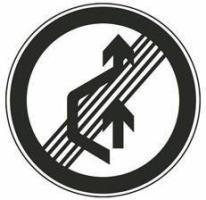
A. overtaking ban is lifted
B. changing lane is allowed
C. changing lane ban is lifted
D. borrowing lane ban is lifted
Answer: A
14. Rear fog light lights when the light switch is at this position.
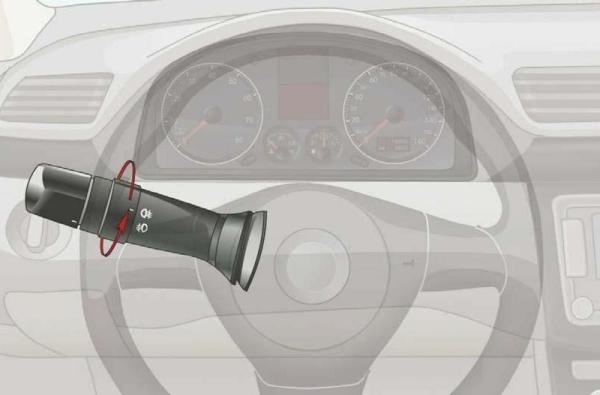
A. Right
B. Wrong
Answer: A
15. Which should be carried onboard?
A. insurance policy
B. vehicle license
C. certificate of ex-factory inspection
D. vehicle registration papers
Answer: B
16. Whats the meaning of this sign?
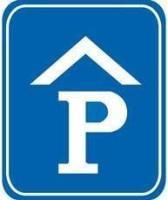
A. special car park
B. uncovered car park
C. indoor car park
D. internal car park
Answer: C
17. When driving at night, the drivers observation ability is visibly poorer and his visibility range becomes shorter than driving in the daytime.
A. Right
B. Wrong
Answer: A
18. Whats the meaning of this sign?
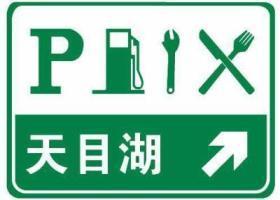
A. expressway bus station ahead
B. expressway shelter ahead
C. expressway service area ahead
D. expressway toll station ahead
Answer: C
19. Whats the meaning of the yellow solid line on the curbstone?
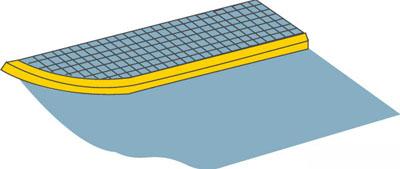
A. only for taking and dropping people
B. only for loading and unloading cargos
C. no long stopping
D. no parking
Answer: D
20. This set of the hand signals of the traffic police indicates that the vehicles should ____ .
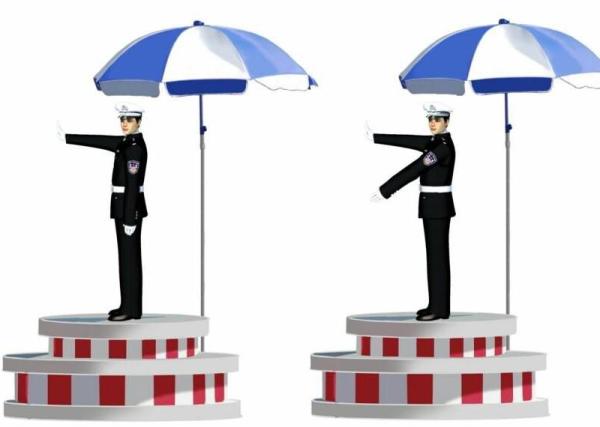
A. wait to turn left
B. pull over
C. turn left
D. turn right
Answer: C