

1. When finding a tire suddenly burst on the road, the driver should firmly hold the steering wheel with both hands to ensure the vehicle goes straight.
A. Right
B. Wrong
Answer: A
2. When there is a braking failure on a downhill road, the driver should immediately try to find and drive to an emergency lane; after stopping the vehicle on the emergency lane, the driver should pull up the stopping brake so as to prevent a second danger arising from the vehicle sliding.
A. Right
B. Wrong
Answer: A
3. As shown in the flash, when overtaking a vehicle in front, the driver should make the horizontal distance as large as possible and may cross the solid line if necessary.

A. Right
B. Wrong
Answer: B
4. The sign on the right warns drivers to yield for oncoming motor vehicles.
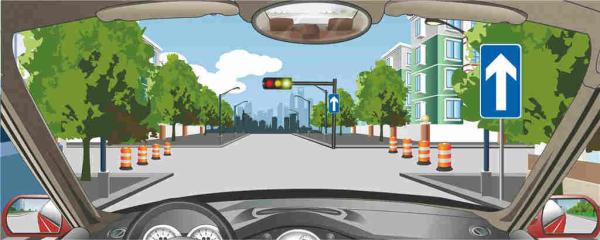
A. Right
B. Wrong
Answer: B
5. The sign on the right warns for children on the section ahead.
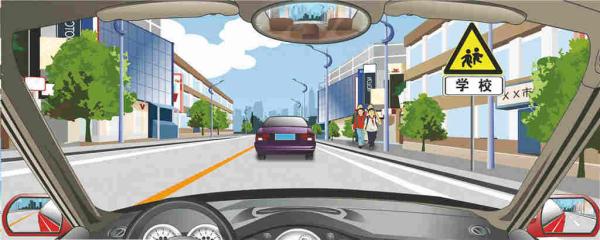
A. Right
B. Wrong
Answer: A
6. The sign in the red circle indicates that the left road is only for small vehicles.
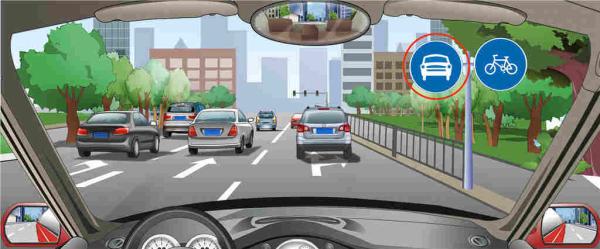
A. Right
B. Wrong
Answer: B
7. When a gas tanker is leaking heavily, which of the following measures is wrong?
A. Cut off the power
B. Wear gas mask and protect gloves
C. Turn off the valve to stop leaking
D. Evacuate people to the leeward side
Answer: D
8. What should be done when drivers evade an emergency on the highway?
A. Take braking measures to reduce speed
B. Yield by turning to the left side
C. Evade by swiftly turning the steering wheel
D. Yield by turning to the right side
Answer: A
9. When a tire bursts suddenly on the road, the driver should refrain from violently depressing the brake pedal in panic. Instead, he should try his best to change to a low gear and use engine braking to reduce the speed of the vehicle.
A. Right
B. Wrong
Answer: A
10. When fixing the unexposed bones in position, it is necessary to exceed the upper and lower joints of the wounded body part.
A. Right
B. Wrong
Answer: A
11. Driving and smoking has no negative effect on safe driving
A. Right
B. Wrong
Answer: B
12. The red car is allowed to drive on this lane.
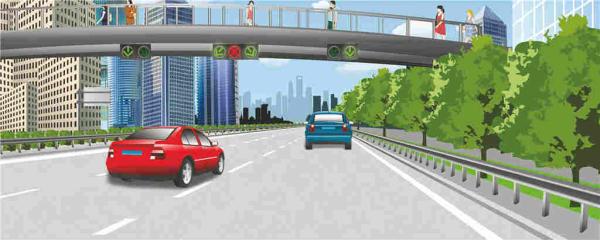
A. Right
B. Wrong
Answer: B
13. What should the driver do to ensure the motor vehicle passes the level crossing safely?
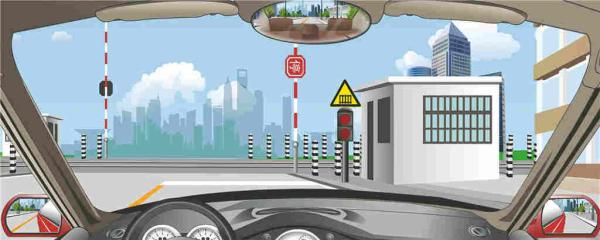
A. Change to neutral gear and slide over
B. Switch to low gear after entering the level crossing
C. Decelerate and lower the gear before entering the level crossing
D. Stop and observe inside the level crossing
Answer: C
14. The sign on the right indicates right-hand turn only.
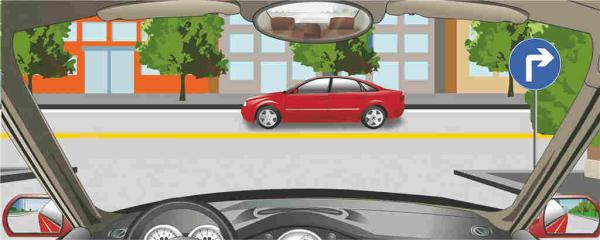
A. Right
B. Wrong
Answer: A
15. Drivers may temporarily cross these central broken and solid yellow lines when overtaking.
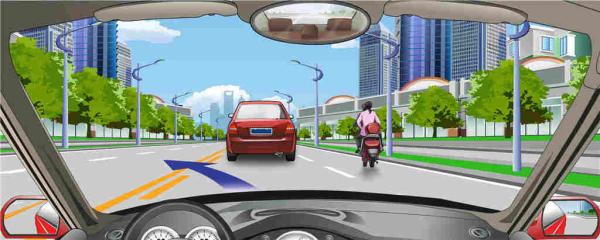
A. Right
B. Wrong
Answer: A
16. The sign on the right indicates left turn only at the intersection ahead.
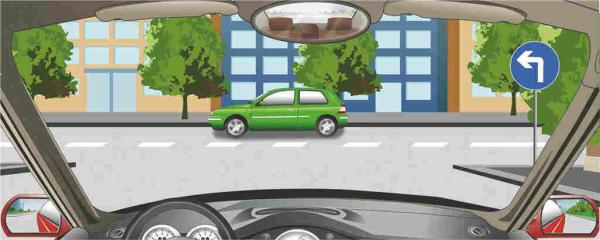
A. Right
B. Wrong
Answer: A
17. Mr. Li drove a large bus with 21 passengers (capacity 35 people). He found the braking system was abnormal on the way but failed to repair it. When running on the Shuangdao Haiwan Bridge at a speed of 50 kilometers per hour (speed limit 40 km/h), the bus fell into the sea due to a braking system failure, killing 13 people and injuring 8. What is the main illegal act committed by Mr. Li?
A. Speeding
B. Fatigued driving
C. Carrying more passengers than permitted
D. Driving a motor vehicle with potential safety hazard
Answer: AD
18. The sign in front indicates that the highway entry is on the right side of the road.
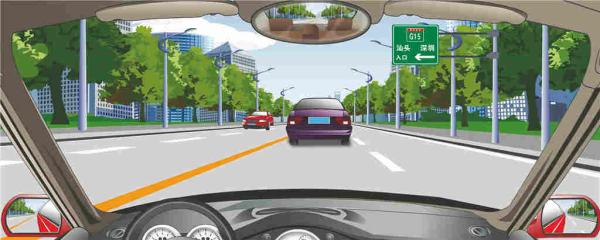
A. Right
B. Wrong
Answer: B
19. The sign on the right warns of children on the section ahead.
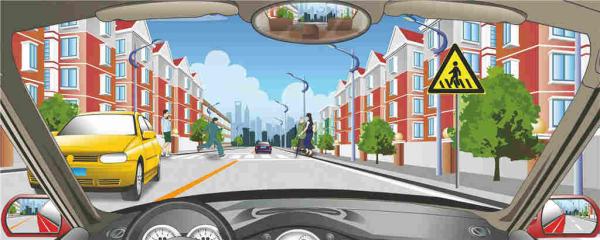
A. Right
B. Wrong
Answer: B
20. The sign on the right warns of a village 200 meters ahead.
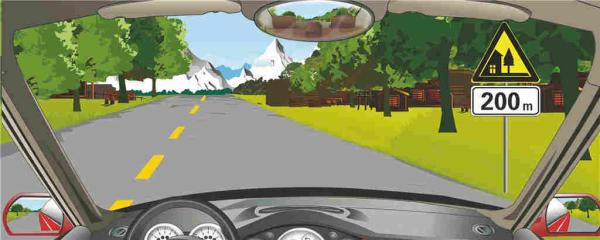
A. Right
B. Wrong
Answer: A