

1. What does this sign mean?
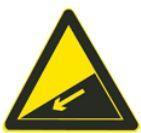
A. Reminding the side of a reservoir, lake or river ahead
B. Reminding the steep uphill road ahead
C. Reminding the steep downhill road ahead
D. Reminding continuous two or more up slopes ahead
Answer: C
2. Whats the meaning of this sign?
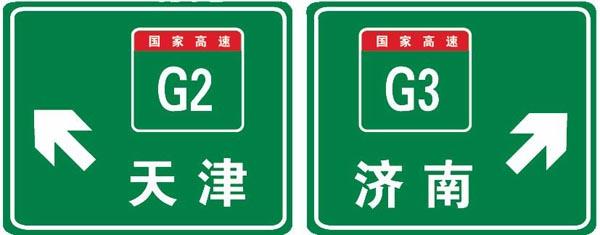
A. expressway right side exit ahead
B. expressway next exit indication
C. expressway location and direction indication
D. expressway left side exit ahead
Answer: C
3. Whats the meaning of this sign?

A. distance to a tourist area
B. direction of a tourist area
C. symbol of a tourist area
D. category of a tourist area
Answer: A
4. If a motorized vehicle driver allows his vehicle to be driven by a person whose driving license has been revoked, the traffic police will detain the driving license.
A. Right
B. Wrong
Answer: A
5. What is the max speed on muddy road?
A. 15km/hr
B. 20km/hr
C. 40km/hr
D. 30km/hr
Answer: D
6. What device does the switch of this symbol control?

A. the windscreen defrosting
B. the rear window wiper
C. the rear window defrosting
D. the windscreen wiper
Answer: D
7. The method of this small passenger vehicle to leave the expressway lane is correct.
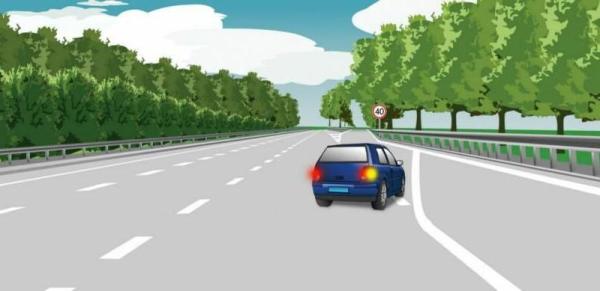
A. Right
B. Wrong
Answer: A
8. Whats the meaning of this sign?

A. special lane for large buses
B. special lane for multi-passenger vehicles
C. special lane for public buses
D. special lane for BRT vehicles
Answer: D
9. When the traffic conditions at an intersection are complicated, the driver should be patiently waiting instead of taking chance.
A. Right
B. Wrong
Answer: A
10. How to use lights when overtaking at night?
A. turn off the high beam light
B. turn on high beam lights
C. use fog lights
D. using the high and low beam lights alternately
Answer: D
11. When causing a road accident involving human casualties, the driver should immediately rescue the injured people and report to the traffic police as soon as possible.
A. Right
B. Wrong
Answer: A
12. Overtaking is allowed when passing a level crossing in city where no train passes.
A. Right
B. Wrong
Answer: B
13. The yellow lane-dividing line in the picture is used to separate the traffic flow in opposite directions, crossing the line to overtake or make a turn is allowed if it is safe.
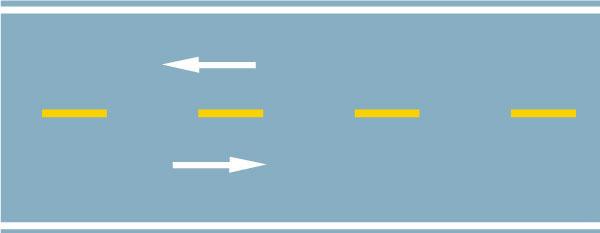
A. Right
B. Wrong
Answer: A
14. Whats the meaning of this sign?
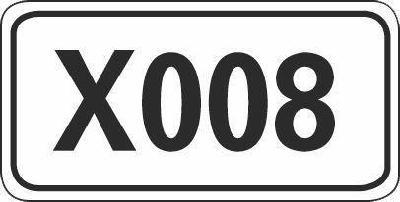
A. provincial highway No.
B. national highway No.
C. county road No.
D. township road No.
Answer: C
15. If the vehicle license of a motorized vehicle are lost, the vehicle owner should apply to the vehicle management station at the registration place for reissuing.
A. Right
B. Wrong
Answer: A
16. Whats the meaning of this sign?
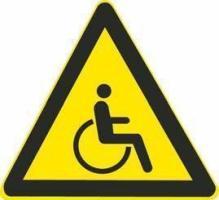
A. exit and entry for disabled people
B. watch for disabled people
C. rest area for disabled people
D. special passage for disabled people
Answer: B
17. Is there any effective auxiliary method to control the speed while driving on a long downhill road besides braking.
A. Shift to the neutral gear and slide
B. Use the engine to brake
C. Turn off the engine and slide
D. Depress the clutch and slide
Answer: B
18. When passing through an overflowing road, a high gear should be used to pass rapidly.
A. Right
B. Wrong
Answer: B
19. When a vehicle passes a level crossing, the driver should use the low gear to pass and should not change gear halfway in order to avoid engine kill.
A. Right
B. Wrong
Answer: A
20. Driving a small passenger vehicle at 100km/hr on the expressway, the minimum distance from the vehicle in front is _____ .
A. not less than 20 meters
B. not less than 10 meters
C. not less than 50 meters
D. not less than 30 meters
Answer: C