

1. When a motorized vehicle goes at night through an intersection that has no traffic lights, the driver should not use the high and low beam lights alternately.
A. Right
B. Wrong
Answer: B
2. What is this traffic sign?
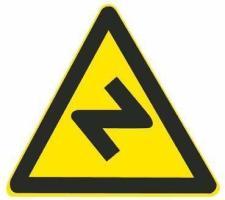
A. slippery section
B. sharp curve
C. inverse curve
D. continuous curves
Answer: C
3. The main impact of mountain roads on safe driving is _______.
A. The traffic conditions are boring
B. The slopes are long, the curves are sharp and visibility range is shorter.
C. The traffic flow is heavy
D. The road signs are fewer
Answer: B
4. When encountering a vehicle coming in the opposite direction on a mountain road, the driver should ______ when crossing each other.
A. Not reduce speed
B. Stick to the center of the road
C. Speed up
D. Reduce speed or stop to yield
Answer: D
5. If a vehicle enters a left lane for overtaking but is unable to ensure a safe horizontal distance with the normally-running vehicle in front, the driver should ________.
A. Speed up and overtake
B. Overtake after running a distance in parallel
C. Give up overtaking
D. Overtake with care
Answer: C
6. It lights when turning on the front fog light.

A. Right
B. Wrong
Answer: B
7. What is the max speed on this expressway?
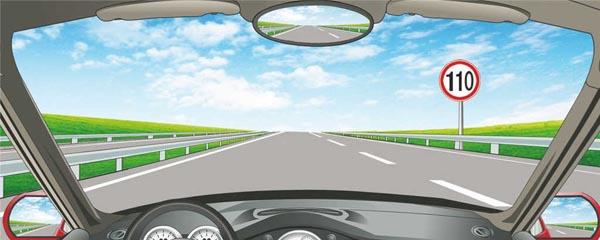
A. 110km/hr
B. 120km/hr
C. 90km/hr
D. 100km/hr
Answer: A
8. Whats the meaning of this sign?
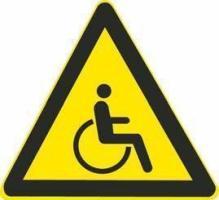
A. exit and entry for disabled people
B. watch for disabled people
C. rest area for disabled people
D. special passage for disabled people
Answer: B
9. Whats the meaning of this sign?
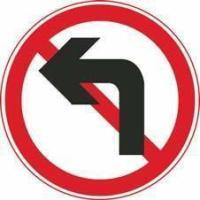
A. no U turn
B. no changing to left lane
C. no turning left
D. no entering the left lane
Answer: C
10. Whats the meaning of this sign?
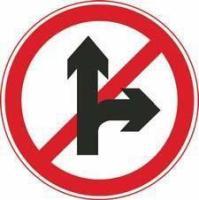
A. no going straight and no changing to left lane
B. no going straight and no left turn
C. allowed to go straight and change to left lane
D. no going straight and no right turn
Answer: D
11. When braking on a muddy road, the tires can easily spin or drift and cause traffic accidents.
A. Right
B. Wrong
Answer: A
12. Whats the meaning of this sign?

A. T-shaped intersection
B. branching intersection
C. reduce speed to pass
D. dead-end road
Answer: D
13. When passing a dangerous section of a mountain road, especially by the locations of frequent occurrence of landslides, mudslides, the driver should drive with care and avoid stopping.
A. Right
B. Wrong
Answer: A
14. You can make an U turn at this intersection.
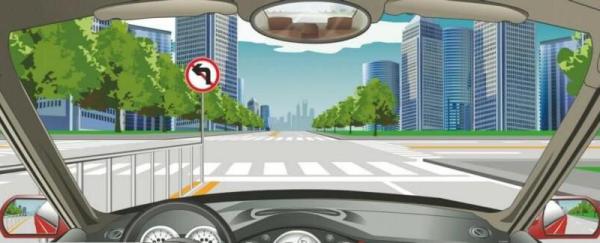
A. Right
B. Wrong
Answer: B
15. Whats the meaning of this guide arrow on the road?

A. left curve or need to bypass from left side ahead
B. merge with the left flow due to obstacle ahead
C. right curve or need to merge with the right flow ahead
D. left curve or need to merge with the left flow ahead
Answer: C
16. The cycle for recording the accumulated penalty points for violating road traffic regulations is ____________.
A. 14 months
B. 12 months
C. 6 months
D. 10 months
Answer: B
17. What is the max speed on muddy road?
A. 15km/hr
B. 20km/hr
C. 40km/hr
D. 30km/hr
Answer: D
18. Whats the meaning of this mark on the road?
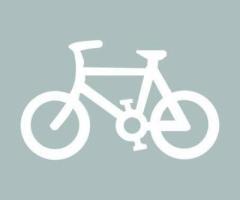
A. the lane for non-motorized vehicles
B. the special lane for motorcycles
C. the special lane for battery bicycles
D. the special lane for bicycles
Answer: A
19. When encountering disabled people obstructing the traffic, the driver should voluntarily reduce speed and yield.
A. Right
B. Wrong
Answer: A
20. Reducing the speed when driving in sand, hail, rain, fog, ice and other weather conditions.
A. Right
B. Wrong
Answer: A