

1. What device does the switch of this symbol control?

A. the windscreen defrosting or defogging
B. the rear window wiper and washer
C. the windscreen wiper and washer
D. the rear window defrosting or defogging
Answer: C
2. What is the max speed limit on this road?
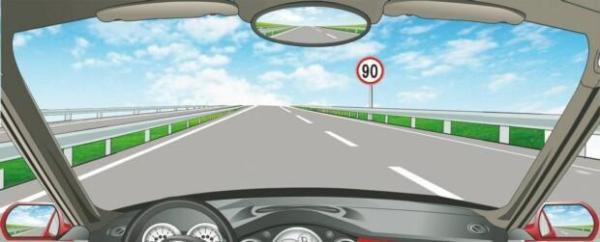
A. 100 km/hr
B. 90 km/hr
C. 120 km/hr
D. 110 km/hr
Answer: B
3. How the front vehicle to run in this situation?
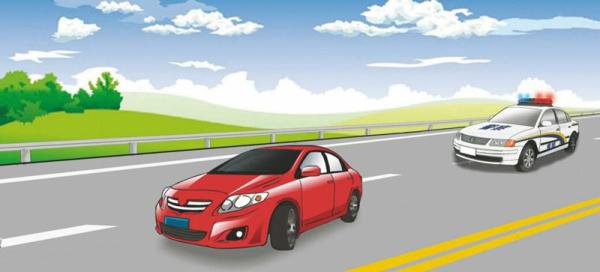
A. run as normal
B. yield
C. turn on the hazard lights
D. should not change lane
Answer: B
4. It lights to indicate that ______

A. the side fans work
B. air external circulation
C. the front fan works
D. air internal circulation
Answer: C
5. No turning right at the intersection ahead.

A. Right
B. Wrong
Answer: B
6. You should speed up to change lane in front of the red car.

A. Right
B. Wrong
Answer: B
7. This sign warns the driver there is a crosswalk ahead.
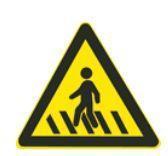
A. Right
B. Wrong
Answer: B
8. Whats the meaning of this sign?
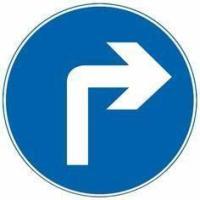
A. turn right
B. one-way road
C. going straight only
D. straight-going lane
Answer: A
9. The police can detain the vehicle if one drives a vehicle without ______
A. vehicle license
B. qualification certificate
C. ID card
D. pass paper
Answer: A
10. Whats the meaning of this sign?
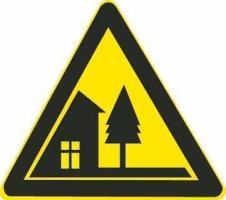
A. watch for pedestrians
B. crosswalk
C. village or town
D. primary school
Answer: C
11. What kind of violation does this vehicle on road have?
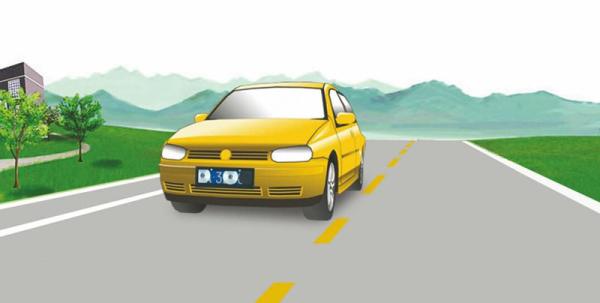
A. not hang the license plate as required
B. deliberately cover the license plate
C. occupy the lane for non-motorized vehicles
D. run in the opposite direction
Answer: B
12. Besides the administrative punishment, what kind of system implemented by the traffic control department of the public security organ to the driver who violated the traffic regulations?
A. violation registration system
B. mileage reward system
C. mandatory write-off system
D. accumulated penalty points system
Answer: D
13. You have the priviledged passing right of way at the intersection in this situation.

A. Right
B. Wrong
Answer: A
14. Whats the meaning of this mark on the road?
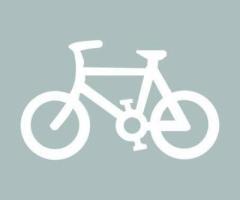
A. the lane for non-motorized vehicles
B. the special lane for motorcycles
C. the special lane for battery bicycles
D. the special lane for bicycles
Answer: A
15. The yellow lane-dividing line in the picture is used to separate the traffic flow in opposite directions, crossing the line to overtake or make a turn is allowed if it is safe.
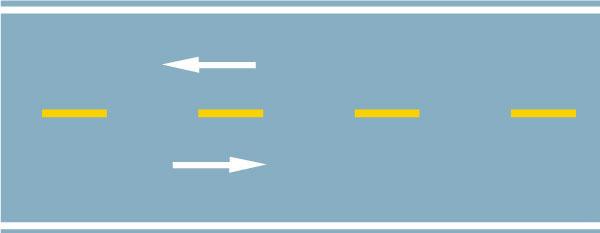
A. Right
B. Wrong
Answer: A
16. The oil pressure of engine may be too high if it lights.

A. Right
B. Wrong
Answer: B
17. What should the driver do when encountering a vehicle from the opposite direction on a road without a central line?
A. driving closely by the roadside
B. driving by the central of the road
C. reducing speed and driving by right side
D. run by using the lane for non-motorized vehicles
Answer: C
18. In which situation the traffic police may detain the vehicle on road?
A. not hang the license plate
B. no ID card
C. no insurance contract
D. no lable of environmental protection
Answer: A
19. Whats the meaning of the double white solid lines in far front of the intersection?
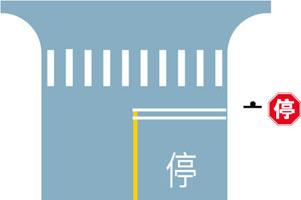
A. stopping and yield line
B. slowdown and yield line
C. left-turn waiting line
D. waiting to run line
Answer: A
20. A motorized vehicle driver is not allowed during the period of probation to pull a trailer.
A. Right
B. Wrong
Answer: A