

1. When a vehicle goes uphill on a mountain road, it should change to a lower gear in a timely, accurate and rapid manner so as to avoid a situation in which driving at a high gear can reduce the power of the engine.
A. Right
B. Wrong
Answer: A
2. Driving a motorized vehicle in the city road which has no central line, the maximum speed can not exceed 50 kilometers per hour.
A. Right
B. Wrong
Answer: B
3. When causing a road accident involving property damage, the party should leave the scene on his own but he does not leave and causes a traffic jam, he may be subject to a fine of 200 yuan.
A. Right
B. Wrong
Answer: A
4. Traffic Signs and traffic markings are not traffic signals.
A. Right
B. Wrong
Answer: B
5. If a person who has caused a major traffic accident and if his act constitutes a crime, he should be held for _________.
A. criminal liability
B. civil liability
C. direct liability
D. economic liability
Answer: A
6. Which is subject to a 6-point penalty?
A. use other vehicles vehicle license
B. run 50% faster than the prescribed speed limit
C. illegally occupy emergency lane
D. drive after drinking
Answer: C
7. Whats the meaning of this sign?
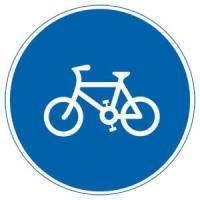
A. electric bicycles may go
B. parking space for non-motorized vehicles
C. parking area for non-motorized vehicles
D. non-motorized vehicles may go
Answer: D
8. Whats the meaning of this sign?
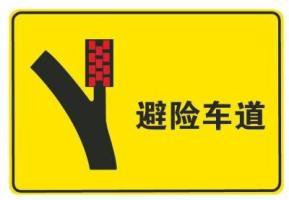
A. danger-avoiding lane
B. emergency lane
C. road shoulder
D. sharp curve
Answer: A
9. Whats the meaning of this sign?
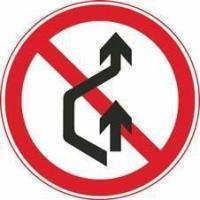
A. no borrowing lane
B. no changing lane
C. no overtaking
D. no U turn
Answer: C
10. Stop and yield to the pedestrians under this situation.

A. Right
B. Wrong
Answer: A
11. Displays the current speed is 20 km / h
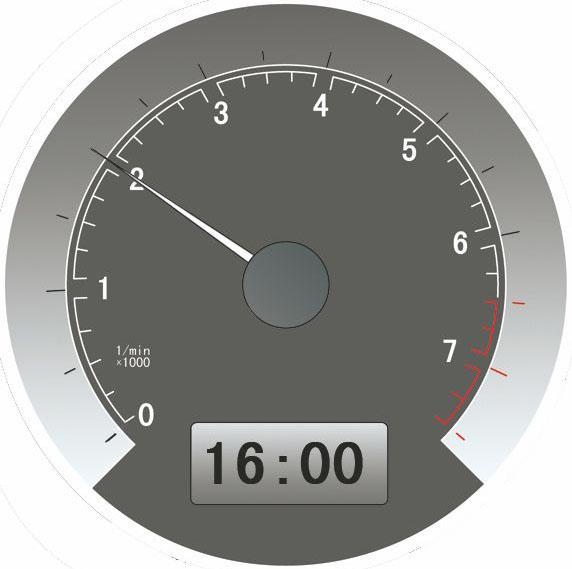
A. Right
B. Wrong
Answer: B
12. When the road maintenance vehicle and the engineering vehicle are on duty, the passing vehicles should avoid with care.
A. Right
B. Wrong
Answer: A
13. What does the traffic light mean?
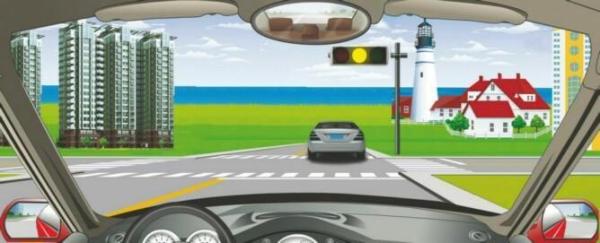
A. no right turn
B. intersection warning
C. going straight is allowed
D. speed up and pass
Answer: B
14. When a vehicle approaches a bus stopping at a bus stop, the driver should ______ in case the bus starts up suddenly or pedestrians cross in front of the bus.
A. Reduce speed, keep a sufficient distance and be ready to stop anytime
B. Maintain the normal speed
C. Honk to remind, speed up and pass
D. Be ready to apply emergency braking
Answer: A
15. If a motorized vehicle driver has caused a major accident in violation of the traffic regulations which has caused serious injury, the driver is subject to a prison term of less than 3 years or a criminal detention.
A. Right
B. Wrong
Answer: A
16. Whats the meaning of this sign?
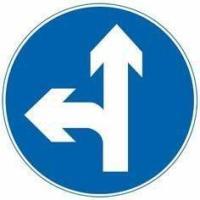
A. going straight and right turn
B. going straight and left turn
C. no going straight and no left turn
D. right turn and left turn only
Answer: B
17. This sign reminds a sharp curve ahead.
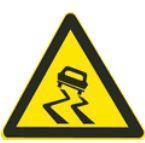
A. Right
B. Wrong
Answer: B
18. What is the max speed when passing this curve?
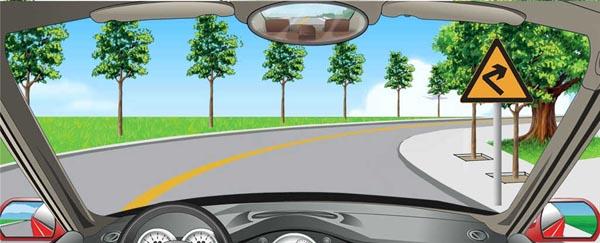
A. 40km/hr
B. 30km/hr
C. 50km/hr
D. 70km/hr
Answer: B
19. A person who has not obtained driving license drives a motorized vehicle, he will be held for legal liability.
A. Right
B. Wrong
Answer: A
20. How to drive through the intersection without traffic lights?
A. reduce speed and go slowly
B. speed up and pass
C. let large vehicle go first
D. let the left vehicle go first
Answer: A