

1. Can leave the expressway into the ramp from this location directly.
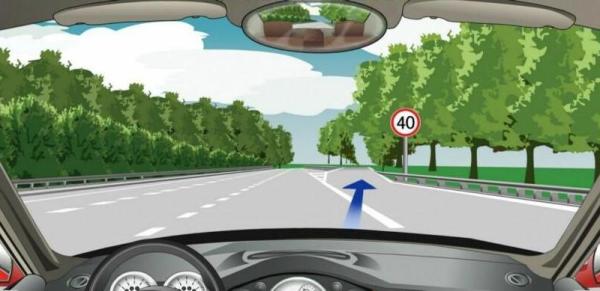
A. Right
B. Wrong
Answer: B
2. This sign reminds the road in front changes to inseparate two ways section.

A. Right
B. Wrong
Answer: A
3. Driving a motorized vehicle on the road in violation of road traffic regulations shall be subject to relevant punishment.
A. Right
B. Wrong
Answer: A
4. When encountering an overflowing bridge, the driver should look at the situation, and passes through slowly before he makes sure that it is safe to do so.
A. Right
B. Wrong
Answer: A
5. Whats the meaning of this sign?
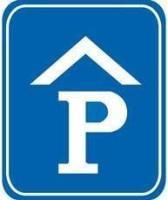
A. special car park
B. uncovered car park
C. indoor car park
D. internal car park
Answer: C
6. If a vehicle may encounter a vehicle coming in the opposite direction in the course of overtaking, the driver should speed up in advance and overtake.
A. Right
B. Wrong
Answer: B
7. Traffic Police can detain the vehicle which is suspected of using other vehicles license plate and vehicle license.
A. Right
B. Wrong
Answer: A
8. Whats the role of directional sign?
A. restrict the vehicles from passing
B. indicate speed limited information
C. provide direction information
D. warn danger ahead
Answer: C
9. How to use lights when pulling over on road?
A. turn on the hazard lights
B. turn on the right-turn signal in advance
C. use the high and low beam lights alternately
D. not need to use any light to indicate
Answer: B
10. When crossing each other at night, how far should change the high beam lights to low beam lights?
A. not need to change lights
B. beyond 150m
C. within 100m
D. within 50m
Answer: B
11. When following a vehicle, the following vehicle may use the high beam light.
A. Right
B. Wrong
Answer: B
12. Whats the meaning of this sign?
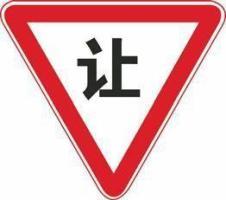
A. no yielding
B. yield while crossing each other
C. reduce speed and yield
D. stop to yield
Answer: C
13. It lights to indicate that ______

A. ABS system malfunction
B. handbrake is released
C. braking system malfunction
D. safety bags malfunction
Answer: A
14. What kind of violation does the vehicle have while temporarily stopping by the roadside?
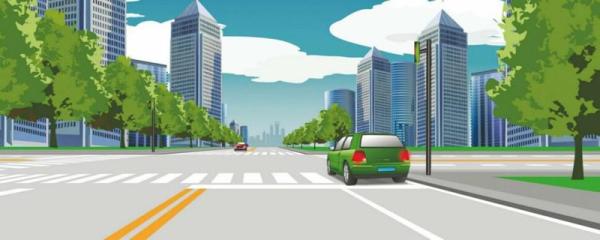
A. stop in the crosswalk
B. stop more than 30cm from the roadside
C. stop in the section with no stopping marking
D. stop occupying the lane for non-motorized vehicles
Answer: A
15. What is the max speed limit on this road?
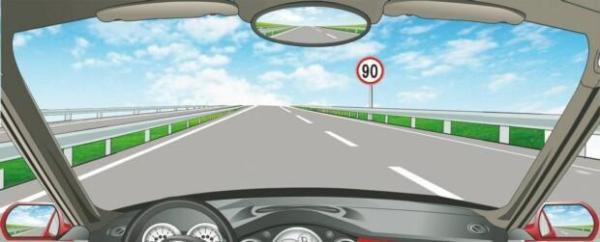
A. 100 km/hr
B. 90 km/hr
C. 120 km/hr
D. 110 km/hr
Answer: B
16. This sign means a Y-shaped intersection ahead.
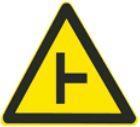
A. Right
B. Wrong
Answer: B
17. Whats the meaning of this sign?
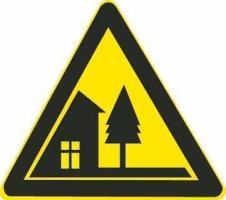
A. watch for pedestrians
B. crosswalk
C. village or town
D. primary school
Answer: C
18. This sign reminds the width of the bridge narrows ahead.
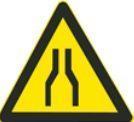
A. Right
B. Wrong
Answer: B
19. When the vehicles cross each other at night, the driver may continuous change lights to remind the vehicle coming in the opposite direction and at the same should reduce speed and go forward or stop on the right side.
A. Right
B. Wrong
Answer: A
20. How to run in this situation?
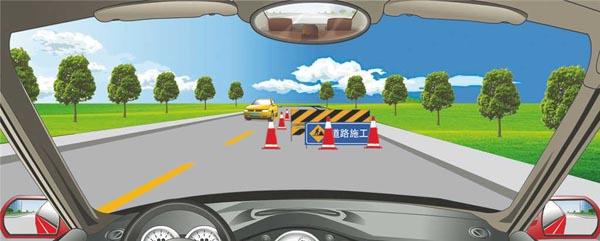
A. stop and yield to the opposite car
B. turn on the left-turn signal and run on the left side
C. turn on the head lights to let the other side yield
D. speed up to bypass the obstacle and then cross the other vehicle
Answer: A