

1. A person can not apply the motorized vehicle driving license, if he has been held for criminal liabilities according to law because of driving after drinking and causing a major traffic accident.
A. Right
B. Wrong
Answer: A
2. What is the max speed on the expressway when the visibility is lower than 100 meters?
A. less than 40km/hr
B. less than 60km/hr
C. less than 80km/hr
D. less than 90km/hr
Answer: A
3. Whats the meaning of this mark on the road?
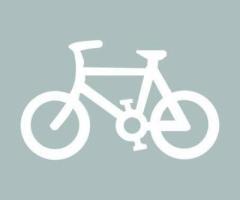
A. the lane for non-motorized vehicles
B. the special lane for motorcycles
C. the special lane for battery bicycles
D. the special lane for bicycles
Answer: A
4. One who runs away after causing a traffic accident and constitute a crime can not apply for motorized vehicle driving license.
A. Right
B. Wrong
Answer: A
5. What marking are the white serrated solid lines in the circle?
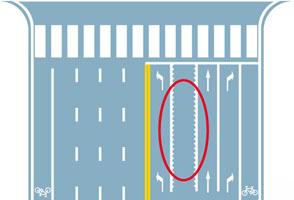
A. guide lane lines
B. direction guide line
C. variable guide lane line
D. one-way driving line
Answer: C
6. It lights when turning on the rear fog light.

A. Right
B. Wrong
Answer: B
7. Driving a motorized vehicle on the road should be required to be with a license plate.
A. Right
B. Wrong
Answer: A
8. When driving slowly in a congested road, the driver should ________ if another vehicle forcefully cuts in.
A. Honk to warn it against cutting in
B. Speed up to closely follow the vehicle in front and refuse to allow it to cut in
C. Squeeze the cutting-in vehicle to force it to leave
D. Voluntarily yield to ensure safe driving
Answer: D
9. When a motorized vehicle returns to the original lane after overtaking, the driver should turn on the right-turn signal.
A. Right
B. Wrong
Answer: A
10. The vehicle with ABS system can minimize the braking distance when driving on a road covered by ice and snow.
A. Right
B. Wrong
Answer: B
11. Whats the meaning of this sign?
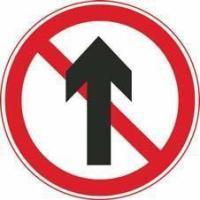
A. no right turn
B. no U turn
C. no going straight
D. no left turn
Answer: C
12. A person who has the expired driving license can drive motorized vehicle within 1 year.
A. Right
B. Wrong
Answer: B
13. A front tire blowout is very dangerous. The vehicle will immediately turn to the side where the tire is blown out and have a direct impact on the drivers control of the steering wheel.
A. Right
B. Wrong
Answer: A
14. In which situation the traffic police may detain the vehicle on road?
A. not hang the license plate
B. no ID card
C. no insurance contract
D. no lable of environmental protection
Answer: A
15. How to use lights at this position?
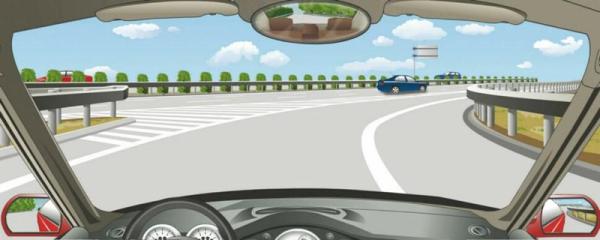
A. turn on the right-turn signal
B. turn on the left-turn signal
C. turn on the hazard lights
D. turn on the head lights
Answer: B
16. Whats the meaning of the white markings on the road?
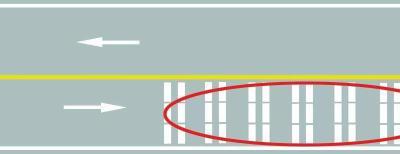
A. road construction marking
B. horizontal deceleration marking
C. vertical deceleration marking
D. fewer lanes indication marking
Answer: B
17. It lights when turning on the right-turn signal.

A. Right
B. Wrong
Answer: B
18. Whats the meaning of this sign?
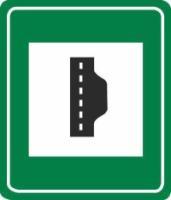
A. expressway emergency strip
B. expressway yielding area
C. expressway bus station
D. expressway parking area
Answer: A
19. Whitch kind of vehicle is prohibited from passing by this sign?
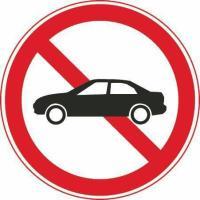
A. all kinds
B. small bus
C. midsize bus
D. small truck
Answer: B
20. Reduce speed or stop to look before the stop line when encountering this traffic light at the intersection.
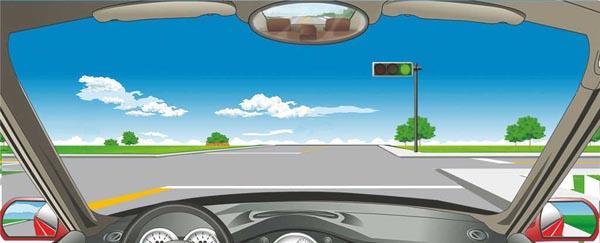
A. Right
B. Wrong
Answer: B