

1. Whats the meaning of this sign?
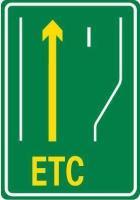
A. payment lane on the expressway
B. check lane on the expressway
C. card getting lane on the expressway
D. ETC lane on the expressway
Answer: D
2. What is the max speed at sharp curve?
A. 20km/hr
B. 30km/hr
C. 40km/hr
D. 50km/hr
Answer: B
3. In the course of reversing, the driver should move slowly, observe the conditions on both sides and in the rear and be ready to stop anytime.
A. Right
B. Wrong
Answer: A
4. You can drive directly into the expressway from this position.
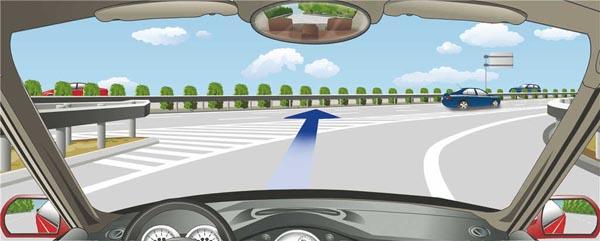
A. Right
B. Wrong
Answer: B
5. The penalty points will be _____ if violating the traffic lights.
A. 2-point penalty
B. 3-point penalty
C. 6-point penalty
D. 12-point penalty
Answer: C
6. Whats the meaning of the white rectangle marking?
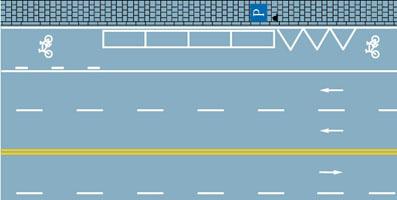
A. special space for taxicabs to take and drop passengers
B. horizontal parking space
C. inclined parking space
D. vertical parking space
Answer: B
7. Whats the meaning of this sign?
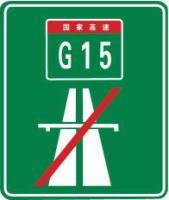
A. expressway exit ahead
B. expressway entry ahead
C. expressway ending ahead
D. expressway beginning ahead
Answer: C
8. Ignition switch in the ON position, the vehicle can not use electrical appliances.
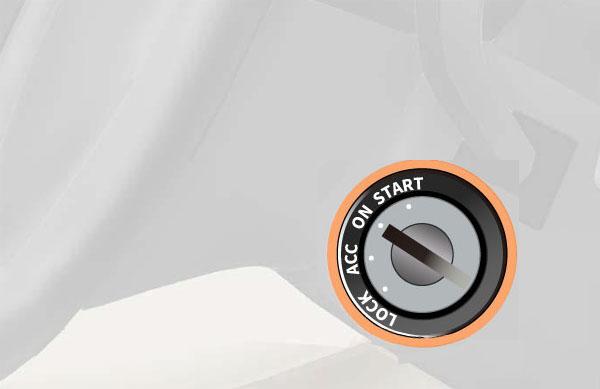
A. Right
B. Wrong
Answer: B
9. Driving on the expressway with full signs and marking, the driver should run in the lane and at the speed according to _________.
A. Signs and markings
B. Rules on road traffic safety
C. Vehicle manual
D. Local regulations
Answer: A
10. When a vehicle follows another vehicle on a mountain road, it should ____.
A. Properly increase the safe distance
B. Closely follow the vehicle in front
C. Properly reduce the safe distance
D. Try to find a chance to overtake
Answer: A
11. Whats the meaning of this sign?
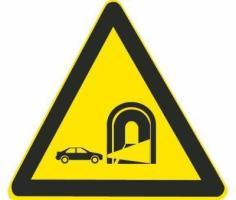
A. reduce speed in tunnel
B. turn on the high beam lights in tunnel
C. turn on the light in tunnel
D. width light in tunnel
Answer: C
12. Whats the meaning of this sign?
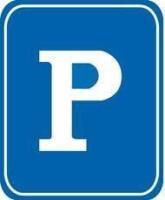
A. internal car park
B. special car park
C. uncovered car park
D. indoor car park
Answer: C
13. One can drive the low-speed truck if the authorized vehicle applied for is small motor vehicle with automatic transmission.
A. Right
B. Wrong
Answer: B
14. In which situation should a small car driver need check?
A. the end of a scoring cycle
B. change driving license due to expiration
C. fail to reach 12 points in one scoring cycle
D. reach 12 points in one scoring cycle
Answer: B
15. The subject 3 test is divided into two parts including Driving Skills, Common Knowledge on Safe and Courteous Driving.
A. Right
B. Wrong
Answer: A
16. Whats the meaning of this sign?
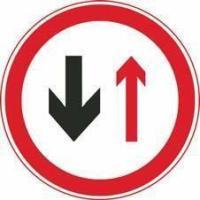
A. stop and yield the right side vehicle while crossing each other
B. no passing on the right side road
C. two-way lane section ahead
D. stop and yield the opposite vehicle while crossing each other
Answer: D
17. When a vehicle approaches a crosswalk, the driver should ________.
A. Speed up and pass
B. Stop immediately
C. Honk to indicate the pedestrians to yield
D. Observe the movement of pedestrians and non-motorized vehicles, make sure it is safe before passing
Answer: D
18. Whats the meaning of this sign?
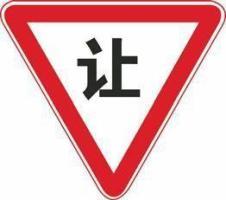
A. no yielding
B. yield while crossing each other
C. reduce speed and yield
D. stop to yield
Answer: C
19. What dangerous acts cant the driver conduct when driving downhill?
A. slide the vehicle in the neutral gear
B. driving in lower gear
C. braking to reduce speed
D. changing to the lower gear in advance
Answer: A
20. The driving license will be revoked when the person is executed community drug treatment, forced isolation treatment or community-based rehabilitation measures.
A. Right
B. Wrong
Answer: A