

1. The continuously flashing yellow light means that the vehicle may speed up and pass.
A. Right
B. Wrong
Answer: B
2. If a driver has not received full penalty points, and the fine has not been paid, the penalty points will be transferred into the next scoring cycle.
A. Right
B. Wrong
Answer: A
3. Whats the meaning of this mark on the road?
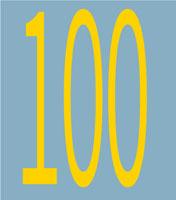
A. average speed is 100km/hr
B. minimum speed limit is 100km/hr
C. 100km/hr speed limit ban is lifted
D. maximum speed limit is 100km/hr
Answer: D
4. When overtaking, the driver should ________ if the vehicle in front refuses to reduce speed or yield.
A. Follow closely and find chance to overtake again
B. Stop overtaking
C. Speed up and continue to overtake
D. Continuously honk and speed up to overtake
Answer: B
5. Whats the meaning of this sign?
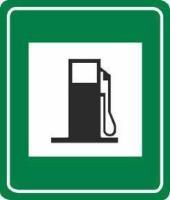
A. bus station of expressway
B. rest area of expressway
C. gasoline station of expressway
D. service area of expressway
Answer: C
6. What is the time limit of deferred license checking due to military service, abroad and other reasons?
A. 3 years
B. 5 years
C. 1 years
D. 2 years
Answer: A
7. What is this instrument?
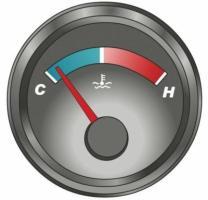
A. water temperature meter
B. fuel meter
C. ammeter
D. pressure meter
Answer: A
8. In a vehicle that has safety belts, the driver should request the passengers to buckle up.
A. Right
B. Wrong
Answer: A
9. Whats the meaning of this sign?
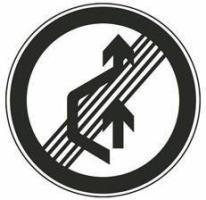
A. overtaking ban is lifted
B. changing lane is allowed
C. changing lane ban is lifted
D. borrowing lane ban is lifted
Answer: A
10. Which is subject to a 12-point penalty?
A. driving a motorized vehicle when driving license is temporarily detained
B. applying for reissuing the driving license by concealment or deception
C. not yielding to the school bus according to regulations
D. running with the license plate deliberately stained
Answer: D
11. At this position, you may speed up to pass through the section.
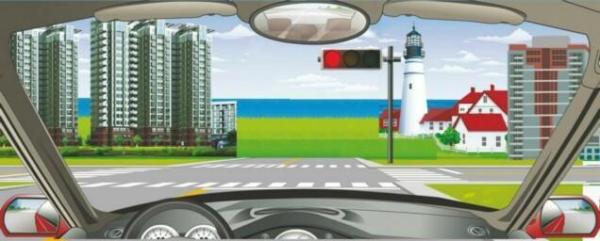
A. Right
B. Wrong
Answer: B
12. Which part does this switch control?
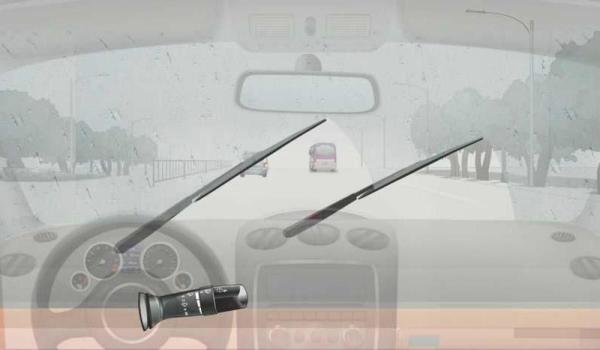
A. windscreen defogger
B. windscreen wiper
C. the hazard lights
D. devices of lights and signals
Answer: B
13. Whats the meaning of this sign?
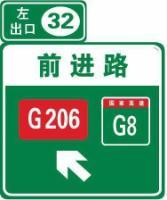
A. expressway next exit ahead
B. expressway right exit ahead
C. expressway left exit ahead
D. expressway destination indication
Answer: C
14. Stopping the vehicle temporarily in the crosswalk is the act of violation of the law.
A. Right
B. Wrong
Answer: A
15. This sign reminds serious bump road ahead.
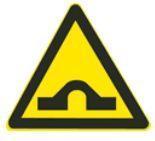
A. Right
B. Wrong
Answer: B
16. Whats the meaning of this sign?
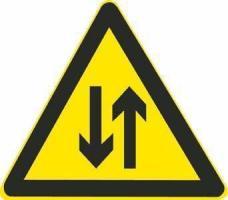
A. reduce speed and yield
B. variable lane
C. separated road
D. two-way traffic
Answer: D
17. What is this traffic sign?
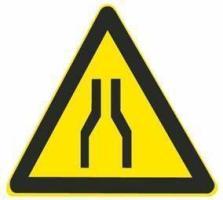
A. Road narrows on both sides
B. Road narrows on the right side
C. Road narrows on the left side
D. Bridge narrows
Answer: A
18. This sign reminds the width of the bridge narrows ahead.
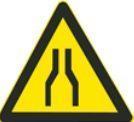
A. Right
B. Wrong
Answer: B
19. It displays the current engine speed is 6000 rev / min.
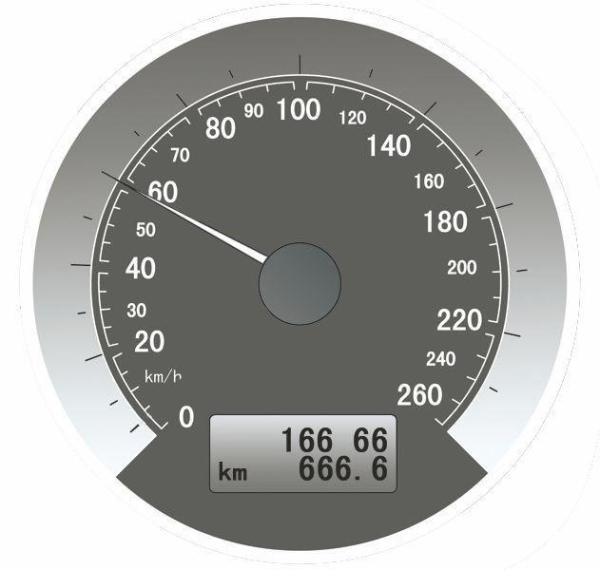
A. Right
B. Wrong
Answer: B
20. In the course of making a U turn, the driver should strictly control the speed, carefully observe the road conditions before and behind the vehicle, and may advance or reverse only if it is safe to do so.
A. Right
B. Wrong
Answer: A