

1. Whats the role of indicative sign?
A. tell the direction information
B. warn danger ahead
C. restrict the vehicles and pedestrians from passing
D. indicate the vehicles and pedestrians to go ahead
Answer: D
2. It lights to indicate that ______

A. handbrake released
B. foot brake failure
C. braking system is abnormal
D. the brake pedal does not return back
Answer: C
3. What kind of violation does this car have while stopping temporarily by the roadside?
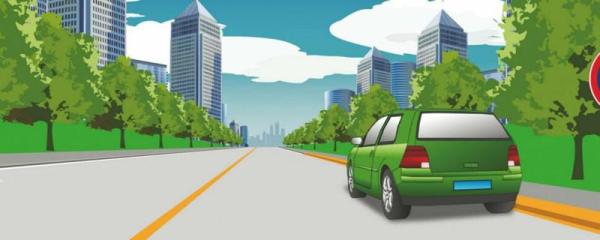
A. stop occupying the lane for motorized vehicles
B. stop more than 30cm from the roadside
C. stop in the section with no stopping marking
D. stop occupying the lane for non-motorized vehicles
Answer: C
4. In which situation that a driver cannot drive?
A. after drinking coffee
B. after drinking milk
C. after drinking
D. after drinking tea
Answer: C
5. Whats the meaning of this sign?

A. going straight and turning left
B. going straight and turning right
C. going straight and turning right at an interchange
D. going straight and turning left at an interchange
Answer: C
6. Whats the meaning of this sign?
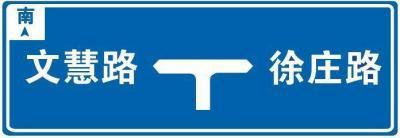
A. T-shaped intersection ahead
B. road branching point ahead
C. Y-shaped intersection ahead
D. intersection ahead
Answer: A
7. What pedal is it?
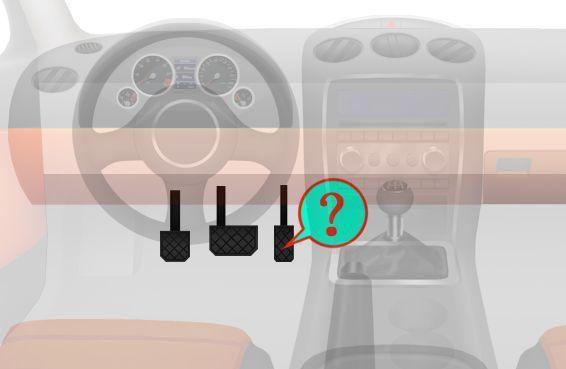
A. accelerator pedal
B. clutch pedal
C. handbrake
D. the brake pedal
Answer: A
8. What kind of violation does this stopping car have?
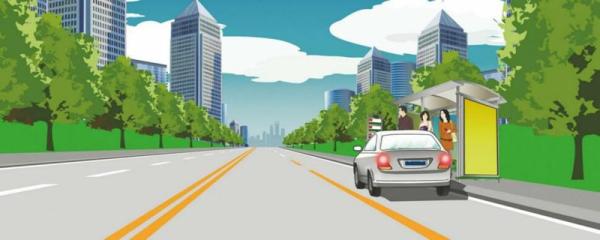
A. stop occupying the lane for non-motorized vehicles
B. stop in the section with no stopping marking
C. stop at bus station
D. stop occupying sidewalk
Answer: C
9. This set of the hand signals of the traffic police indicates that the vehicles should ___ .

A. turn left
B. wait to turn left
C. reduce speed and pass slowly
D. turn right
Answer: B
10. Whats the meaning of this sign?
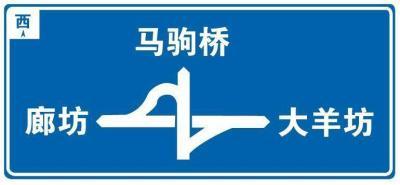
A. intersection ahead
B. interchange ahead
C. Y-shaped intersection ahead
D. ring intersection ahead
Answer: B
11. Turn on the right-turn signal and return immediately to the original lane afterovertaking.
A. Right
B. Wrong
Answer: B
12. A motorized vehicle driver who does not hang the license plate is subject to a ________.
A. 6-point penalty
B. 12-point penalty
C. 2-point penalty
D. 3-point penalty
Answer: B
13. What is the max speed on this city road?
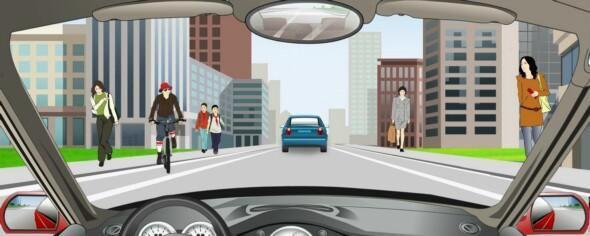
A. 40km/hr
B. 30km/hr
C. 50km/hr
D. 70km/hr
Answer: B
14. Whats the meaning of this sign?
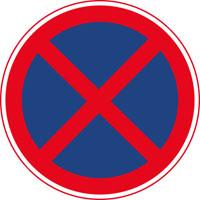
A. stopping temporarily is allowed
B. long stopping is allowed
C. no long stopping
D. no stopping
Answer: D
15. Traffic markings are divided into indication, warning and prohibition.
A. Right
B. Wrong
Answer: A
16. If the drivers accumulated penalty points reach the stipulated limit, he will be _______ by the traffic control department of the public security organ.
A. detained for less than 15 days
B. banned for lifetime from driving
C. educated on the law and regulations and take the exam again
D. held for criminal liabilities according to law
Answer: C
17. When causing a road accident involving property damage, the parties to the accident may leave the scene if they have no dispute over the fact and cause.
A. Right
B. Wrong
Answer: A
18. When a traffic accident causing human injuries, preserve the scene and immediately report to the police.
A. Right
B. Wrong
Answer: A
19. Whats the meaning of this sign?
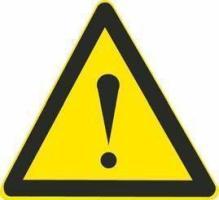
A. reduce speed and go slowly
B. watch for danger
C. jammed section
D. accident-prone section
Answer: B
20. What pedal is it?
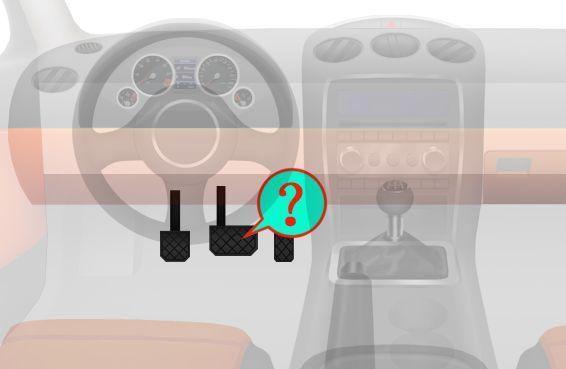
A. clutch pedal
B. accelerator pedal
C. brake pedal
D. handbrake
Answer: C